Finding a Good Physical Therapist Near Me
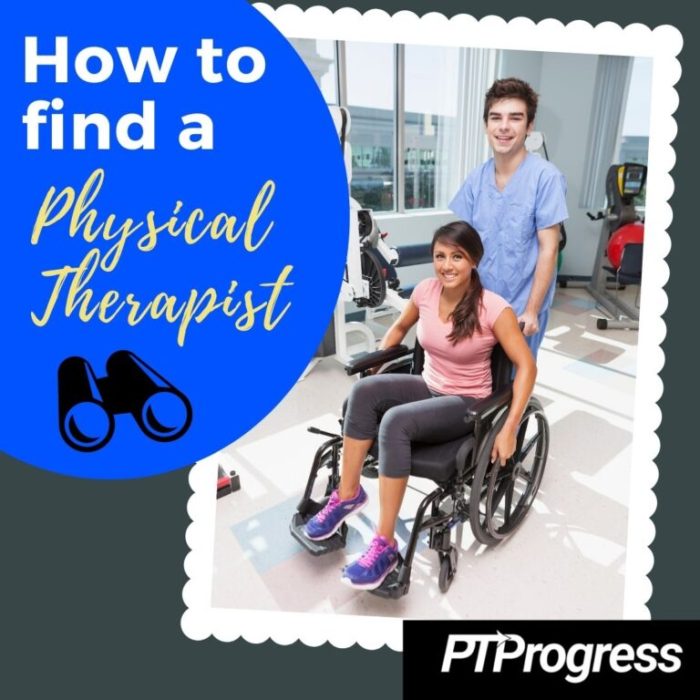
How to find a good physical therapist near me – When it comes to your health and well-being, finding a qualified physical therapist is essential. A skilled and experienced physical therapist can help you recover from injuries, manage chronic conditions, and improve your overall physical function.
Benefits of Receiving Physical Therapy from a Nearby Location
- Convenience: Having a physical therapist located near you makes it easier to attend regular therapy sessions without having to travel long distances.
- Personalized Care: Being close to your physical therapist allows for better communication and personalized treatment plans tailored to your specific needs.
- Quick Access: In case of emergencies or urgent therapy requirements, having a nearby physical therapist ensures quick access to the care you need.
Tips on How to Research and Identify Reputable Physical Therapists in Your Area
- Ask for Recommendations: Seek referrals from your primary care physician, friends, or family members who have had positive experiences with physical therapists in your area.
- Check Credentials: Make sure the physical therapist is licensed, certified, and has the necessary qualifications to provide quality care.
- Read Reviews: Look up online reviews and testimonials from previous patients to get an idea of the therapist’s reputation and treatment approach.
- Visit the Facility: Take a tour of the physical therapy clinic to see the environment, equipment, and meet the staff to ensure it aligns with your expectations.
Healthy Snacks
When it comes to maintaining a healthy lifestyle, snacking plays a crucial role in providing our bodies with the necessary nutrients and energy to keep us going throughout the day. Choosing the right snacks can help support overall health and wellness.
Nutritious Snack Examples
- Almonds: Rich in healthy fats, protein, and fiber, almonds make for a satisfying and nutritious snack that can help keep you full between meals.
- Greek Yogurt with Berries: Greek yogurt is high in protein and calcium, while berries provide antioxidants and fiber, making this a perfect combination for a healthy snack.
- Carrot Sticks with Hummus: Carrots are packed with vitamins and minerals, while hummus offers protein and healthy fats, creating a balanced and tasty snack option.
Importance of Healthy Snacking
Healthy snacking is essential for maintaining steady energy levels throughout the day. By choosing snacks that are rich in nutrients, you can avoid energy crashes and keep your metabolism running efficiently.
Quick and Easy Snack Ideas
- Rice Cakes with Avocado Slices and Sea Salt
- Apple Slices with Peanut Butter
- Cottage Cheese with Pineapple Chunks
Wellness Programs
Wellness programs are designed to promote overall well-being by focusing on physical, mental, and emotional health. These programs typically include a variety of activities and resources to help individuals improve their quality of life.
Components of Wellness Programs
- Physical Fitness: Exercise routines and fitness classes to improve strength, flexibility, and endurance.
- Nutrition Guidance: Healthy eating plans and cooking classes to support a balanced diet.
- Mental Health Support: Counseling services, stress management techniques, and mindfulness practices.
- Health Education: Workshops and seminars on various health topics such as chronic disease management and prevention.
- Behavioral Change: Strategies to adopt healthy habits and maintain long-term wellness goals.
Benefits of Participating in Wellness Programs
- Improved Physical Health: Regular exercise and nutritious eating habits can lead to weight management, increased energy levels, and reduced risk of chronic diseases.
- Enhanced Mental Well-being: Stress reduction techniques and mental health support can improve mood, decrease anxiety, and enhance overall emotional wellness.
- Community and Support: Wellness programs often provide a sense of community and social support, fostering relationships and a sense of belonging.
- Increased Productivity: Better physical and mental health can lead to increased focus, creativity, and productivity in both personal and professional life.
- Long-Term Health Benefits: By participating in wellness programs, individuals can establish healthy habits that can lead to long-term well-being and a higher quality of life.
Health Coaching
Health coaching plays a crucial role in helping individuals achieve their health goals by providing personalized guidance and support throughout their wellness journey.
Benefits of Working with a Health Coach
- Personalized Guidance: Health coaches create customized plans tailored to individual needs, considering factors like lifestyle, preferences, and health conditions.
- Accountability and Support: Coaches offer ongoing support, motivation, and accountability to help individuals stay on track and reach their goals.
- Behavior Change: Health coaches assist in identifying and changing unhealthy behaviors, promoting long-term lifestyle changes for better health outcomes.
- Education and Empowerment: Coaches educate individuals about nutrition, exercise, stress management, and other health-related topics, empowering them to make informed decisions.
Tips for Finding a Qualified Health Coach
- Check Credentials: Look for health coaches with certifications from reputable organizations, demonstrating their expertise and commitment to professional standards.
- Experience and Specialization: Consider a coach’s experience working with clients similar to you or specializing in areas relevant to your health goals.
- Compatibility and Communication: Ensure compatibility with your coach’s communication style, personality, and approach to health coaching for a successful partnership.
- Client Reviews and Recommendations: Seek feedback from previous clients or ask for recommendations from trusted sources to gauge the coach’s effectiveness and reputation.
Medical Advancements
Physical therapy has benefitted greatly from recent advancements in the field of medicine. These advancements have led to improved outcomes for patients undergoing physical therapy treatments. One major aspect of these advancements is the integration of technology into physical therapy practices, which has revolutionized the way patients receive care and track their progress.
Technology Integration
- Virtual Reality (VR) Therapy: VR technology is being used to create immersive environments for patients to perform exercises and activities that aid in their recovery process. This technology helps patients engage more fully in their therapy and can lead to faster progress.
- Telehealth Services: With the rise of telehealth, physical therapists are able to provide remote consultations, monitor patients’ progress, and offer guidance on exercises and treatments from a distance. This has increased access to care for patients who may not be able to visit a clinic in person.
Innovative Medical Treatments
- Regenerative Medicine: Treatments such as stem cell therapy and platelet-rich plasma injections are being used to promote healing and tissue regeneration in patients with musculoskeletal injuries. These treatments can complement traditional physical therapy methods by accelerating the healing process.
- Robot-Assisted Therapy: Robotics technology is being utilized to assist patients in performing specific movements and exercises with greater precision and control. This form of therapy can be particularly beneficial for patients recovering from neurological conditions or orthopedic surgeries.
Fitness Goals
Setting realistic fitness goals is crucial for overall health and well-being. It helps individuals stay motivated, track their progress, and make positive changes in their lifestyle. Here are some strategies to consider when setting and achieving fitness goals.
Importance of Setting Realistic Fitness Goals
- Establishing achievable goals ensures that individuals do not get discouraged or overwhelmed, leading to a higher success rate in reaching their objectives.
- Realistic fitness goals promote consistency and sustainability in one’s workout routine, creating lasting habits for a healthier lifestyle.
- By setting specific and measurable goals, individuals can track their progress effectively and make adjustments as needed to stay on track.
Staying Motivated to Achieve Fitness Goals
- Find a workout buddy or join a fitness community for support and accountability.
- Reward yourself for reaching milestones along the way to keep motivation high.
- Switch up your workout routine to prevent boredom and plateaus, making exercise more enjoyable.
Tracking Progress Towards Fitness Goals
- Keep a fitness journal or use a fitness tracking app to monitor workouts, progress, and changes in physical health.
- Set regular check-ins to assess your progress, celebrate achievements, and identify areas for improvement.
- Utilize fitness assessments and measurements to objectively track changes in strength, endurance, flexibility, and overall fitness levels.
Balanced Nutrition
Maintaining a balanced diet is crucial for overall health as it provides the necessary nutrients for the body to function properly, supports physical therapy progress, and aids in overall wellness. A well-rounded diet can help improve energy levels, promote muscle recovery, and enhance the effectiveness of physical therapy sessions.
Foods that Promote Balanced Nutrition
- Lean proteins such as chicken, fish, tofu, and legumes provide essential amino acids for muscle repair and growth.
- Fruits and vegetables rich in vitamins, minerals, and antioxidants help boost the immune system and reduce inflammation.
- Whole grains like brown rice, quinoa, and oats offer fiber for digestion and sustained energy levels.
- Healthy fats from sources like avocado, nuts, and olive oil support brain function and reduce inflammation.
- Dairy or dairy alternatives provide calcium for bone health and vitamin D for immune function.
Creating Balanced Meals for Physical Therapy and Wellness
- Include a variety of colors on your plate to ensure a wide range of nutrients.
- Balance each meal with a combination of carbohydrates, proteins, and fats for sustained energy.
- Aim for whole, minimally processed foods to maximize nutrient intake and support overall health.
- Stay hydrated by drinking plenty of water throughout the day to aid in digestion and muscle function.
Mental Strength
Having mental strength is crucial for overall well-being, including physical health. It plays a significant role in how we cope with challenges and setbacks, especially during physical therapy.
Strategies for Improving Mental Resilience
- Engage in regular physical exercise to release endorphins and reduce stress.
- Practice positive self-talk and affirmations to build confidence and resilience.
- Seek support from friends, family, or a therapist to discuss emotions and concerns.
- Set realistic goals and celebrate small achievements to boost motivation.
Mindfulness Techniques for Enhancing Mental Strength
- Practice deep breathing exercises to calm the mind and reduce anxiety.
- Engage in meditation or yoga to improve focus, clarity, and emotional well-being.
- Use visualization techniques to imagine successful outcomes and stay motivated.
- Stay present in the moment and practice gratitude to cultivate a positive mindset.
Yoga Practice
Yoga is a fantastic addition to a physical therapy routine as it offers a wide range of benefits for both the body and mind. It can help improve flexibility, strength, balance, and overall well-being. Integrating yoga into your physical therapy exercises can enhance your recovery process and promote long-term health.
Benefits of Yoga in Physical Therapy
- Improves flexibility: Yoga poses focus on stretching and lengthening muscles, which can help increase flexibility and range of motion.
- Builds strength: Many yoga poses require holding positions that engage various muscle groups, helping to build strength and endurance.
- Enhances balance: Balancing poses in yoga can improve stability and coordination, which are essential for preventing falls and injuries.
- Promotes relaxation: The breathing techniques and mindfulness practices in yoga can reduce stress, anxiety, and promote overall relaxation.
Yoga Poses for Physical Therapy
- Downward Facing Dog: This pose stretches the hamstrings, calves, and shoulders, while also building strength in the arms and legs.
- Warrior II: Warrior II pose helps improve balance, strengthen the legs, and open up the hips and chest.
- Tree Pose: Tree pose enhances balance, stability, and focus while strengthening the muscles in the legs and core.
Tips for Integrating Yoga with Physical Therapy
- Consult your physical therapist: Before starting any new yoga practice, it’s essential to consult with your physical therapist to ensure that the poses align with your treatment plan.
- Start slow: Begin with gentle yoga poses and gradually increase the intensity and duration as your body becomes more comfortable.
- Listen to your body: Pay attention to how your body feels during yoga practice and modify poses as needed to prevent any strain or discomfort.
- Stay consistent: Incorporate yoga into your daily routine to experience the full benefits and progress in your physical therapy journey.
Health Education
Health education plays a crucial role in maintaining overall wellness by empowering individuals with the knowledge and skills to make informed decisions about their health.
Importance of Ongoing Health Education
Ongoing health education helps individuals stay informed about the latest medical advancements, wellness programs, and fitness goals. It promotes a proactive approach to health, leading to better management of chronic conditions and improved overall well-being.
Role of Health Literacy
Health literacy is essential for individuals to understand health information, navigate the healthcare system, and advocate for their own care. It enables individuals to make informed decisions about treatment options, preventive measures, and lifestyle choices.
Resources for Accessing Reliable Health Information
- Consult reputable websites like the Centers for Disease Control and Prevention (CDC) or the National Institutes of Health (NIH) for accurate health information.
- Utilize resources provided by healthcare professionals, such as brochures, pamphlets, and educational materials offered during medical appointments.
- Attend health education workshops, seminars, and community events to learn from experts in the field and stay updated on the latest health trends.
Weight Management
Maintaining a healthy weight is crucial for optimizing the outcomes of physical therapy. Excess weight can put additional strain on the body, making it harder to recover from injuries or conditions. Here are some tips and strategies for managing your weight effectively while undergoing physical therapy.
Impact of Weight Management on Physical Therapy Outcomes
- Carrying excess weight can exacerbate pain and discomfort, hindering progress in physical therapy sessions.
- By managing your weight, you can improve mobility, reduce inflammation, and enhance overall physical function.
- Weight management can also contribute to faster recovery times and better long-term health outcomes.
Tips for Maintaining a Healthy Weight
- Focus on a balanced diet rich in fruits, vegetables, lean proteins, and whole grains.
- Avoid processed foods, sugary snacks, and excessive amounts of unhealthy fats.
- Stay hydrated and limit sugary drinks, opting for water or herbal teas instead.
- Engage in regular physical activity that is safe and appropriate for your condition.
Strategies for Achieving Weight Management Goals during Physical Therapy
- Work closely with your physical therapist to develop a customized exercise plan that supports weight loss goals.
- Monitor your progress regularly and make necessary adjustments to your diet and exercise routine.
- Seek support from friends, family, or a health coach to stay motivated and accountable.
- Set realistic and achievable goals to prevent burnout and maintain long-term success.
Health Checkups
Regular health checkups are essential for preventive care as they help detect potential health issues early on, allowing for timely intervention and treatment. Monitoring health indicators during physical therapy is crucial to track progress, identify any setbacks, and adjust treatment plans accordingly. Here are some tips on scheduling and attending routine health checkups for overall well-being.
Significance of Regular Health Checkups
Regular health checkups play a vital role in preventive care by detecting health problems early, reducing the risk of complications, and promoting overall well-being. These checkups help in monitoring vital signs, screening for diseases, and assessing overall health status.
- Regular health screenings can identify risk factors for chronic diseases such as diabetes, hypertension, and heart disease.
- Early detection of health issues can lead to timely interventions, preventing the progression of diseases and improving outcomes.
- Health checkups promote a proactive approach to health management, empowering individuals to take control of their well-being.
Importance of Monitoring Health Indicators during Physical Therapy
Monitoring health indicators during physical therapy is crucial to evaluate the effectiveness of treatment, track progress, and ensure optimal recovery. By monitoring factors such as pain levels, range of motion, strength, and endurance, physical therapists can tailor treatment plans to meet individual needs and goals.
- Regular monitoring of health indicators allows physical therapists to make informed decisions regarding treatment adjustments and modifications.
- Tracking progress helps in setting realistic goals, measuring outcomes, and celebrating achievements along the rehabilitation journey.
- Monitoring health indicators during physical therapy fosters open communication between patients and therapists, leading to a collaborative and effective treatment process.
Tips on Scheduling and Attending Routine Health Checkups
Scheduling and attending routine health checkups can be simplified by following these tips to prioritize your health and well-being.
- Mark your calendar with upcoming checkup dates to ensure you don’t miss appointments.
- Prepare a list of questions or concerns to discuss with your healthcare provider during the checkup.
- Bring any relevant medical records or test results to share with your healthcare team for a comprehensive assessment.
- Follow any pre-checkup instructions provided by your healthcare provider, such as fasting or medication adjustments.
- Take note of any changes in your health status or symptoms to discuss with your healthcare provider during the checkup.
Skin Health
Skin health plays a crucial role in our overall wellness, as it is our body’s first line of defense against external threats. When undergoing physical therapy, it is essential to take care of our skin to prevent any issues from arising and to aid in the healing process.
Skincare Tips for Individuals Undergoing Physical Therapy
- Avoid wearing tight clothing that can irritate the skin and restrict blood flow.
- Keep the skin clean and dry to prevent infections, especially in areas prone to sweating.
- Use moisturizers to keep the skin hydrated and prevent dryness and cracking.
- Be gentle when handling the skin, especially around any areas of injury or sensitivity.
- Consider using sunscreen to protect the skin from harmful UV rays if outdoor activities are involved in your therapy.
Recommendations for Maintaining Healthy Skin During Rehabilitation
- Stay hydrated by drinking plenty of water to keep the skin hydrated from within.
- Eat a balanced diet rich in vitamins and nutrients that promote skin health.
- Avoid harsh chemicals or products that can irritate the skin, especially in areas of sensitivity.
- Consult with your physical therapist or dermatologist for specific recommendations tailored to your skin type and condition.
- Practice proper wound care if you have any cuts or injuries to prevent infections and aid in healing.
Emotional Health
Emotional well-being plays a crucial role in the progress of physical therapy. It is essential to address and manage emotional challenges during rehabilitation to ensure a successful recovery. Maintaining a positive mindset and emotional balance can contribute significantly to the overall effectiveness of the therapy.
Strategies for Managing Stress and Emotional Challenges
- Practice mindfulness and relaxation techniques such as deep breathing exercises and meditation to reduce stress levels.
- Engage in regular physical activity to release endorphins, which are known to improve mood and reduce anxiety.
- Seek support from friends, family, or a therapist to express your emotions and receive guidance during challenging times.
- Set realistic goals and celebrate small achievements to boost your confidence and motivation throughout the rehabilitation process.
- Stay connected with positive influences and engage in activities that bring you joy and fulfillment to maintain emotional well-being.
Resources for Seeking Emotional Support
- Consider joining support groups or online communities where you can connect with others facing similar challenges and share experiences.
- Consult a mental health professional or therapist for individual counseling sessions to address specific emotional concerns and develop coping strategies.
- Explore self-help books, podcasts, or apps focused on emotional well-being and stress management techniques to enhance your mental health.
- Practice self-care activities such as journaling, art therapy, or spending time in nature to nurture your emotional health and reduce feelings of anxiety or depression.
Health Motivation
Staying motivated throughout the physical therapy journey is crucial for achieving optimal results. It can be challenging at times, but maintaining a positive mindset and staying committed to the process can make a significant difference in your recovery. Here are some tips and techniques to help you stay motivated and focused on your rehabilitation:
Set Realistic Goals
- Establish achievable short-term and long-term goals with your physical therapist to track your progress.
- Celebrate small victories along the way to stay motivated and encouraged.
- Adjust your goals as needed to adapt to any challenges or setbacks you may encounter.
Stay Consistent, How to find a good physical therapist near me
- Stick to your physical therapy appointments and home exercise routine to maintain progress.
- Create a schedule that works for you and prioritize your health and well-being.
- Consistency is key to seeing improvements and staying motivated throughout the process.
Find Your Support System
- Lean on family and friends for encouragement and support during your physical therapy journey.
- Join a support group or online community to connect with others going through similar experiences.
- Having a strong support system can boost your motivation and keep you on track towards your goals.
Visualize Success
- Imagine yourself reaching your goals and visualize the positive outcomes of your hard work and dedication.
- Use imagery and positive affirmations to reinforce your belief in your ability to overcome challenges.
- Visualizing success can help you stay motivated and focused on the end result during difficult times.
Physical Activities: How To Find A Good Physical Therapist Near Me
Regular physical activity plays a crucial role in maintaining overall health and well-being. Engaging in physical activities not only helps in improving physical fitness but also has positive effects on mental health.
Physical activity is also essential in supporting physical therapy outcomes. It helps in improving flexibility, strength, and endurance, which are key components of many physical therapy programs. By incorporating physical activities into your routine, you can enhance the effectiveness of your physical therapy sessions and speed up your recovery process.
Benefits of Physical Activities
- Improves cardiovascular health
- Enhances muscle strength and flexibility
- Aids in weight management
- Boosts mood and reduces stress
Low-Impact Exercises for Physical Therapy
- Walking or brisk walking
- Swimming or water aerobics
- Cycling or stationary biking
- Yoga or Pilates
Health Awareness
Raising awareness about health issues and preventive care is crucial for maintaining overall well-being and preventing diseases. By educating individuals about healthy lifestyle choices, early detection of illnesses, and the importance of regular check-ups, we can empower people to take control of their health.
Significance of Health Awareness
- Increased knowledge about health issues leads to early intervention and treatment.
- Preventive care reduces the burden on healthcare systems and decreases healthcare costs.
- Empowered individuals are more likely to make informed decisions about their health.
Impact on Individual Well-being and Community Health
- Individuals who are health-aware are more likely to adopt healthy habits and lifestyle choices.
- Healthy communities have lower rates of chronic diseases and a higher quality of life.
- Health awareness fosters a culture of support and collaboration within communities.
Tips for Promoting Health Awareness
- Organize health fairs or workshops in your local community to educate people about various health topics.
- Partner with local healthcare providers to offer free screenings and consultations.
- Utilize social media and community newsletters to share health tips and resources.
- Create walking or exercise groups to encourage physical activity and camaraderie.
- Encourage regular health check-ups and screenings among family and friends.
Preventive Medicine
Preventive medicine plays a crucial role in maintaining long-term health by focusing on identifying and addressing risk factors before they lead to serious health issues. By taking proactive measures, individuals can reduce the likelihood of developing illnesses or injuries, ultimately improving their overall well-being.
Importance of Preventive Measures
- Regular Health Check-ups: Visiting healthcare providers for routine check-ups can help detect early signs of potential health problems.
- Immunizations: Ensuring that vaccinations are up to date can prevent the spread of infectious diseases.
- Healthy Lifestyle Choices: Adopting a balanced diet, engaging in regular exercise, and avoiding harmful habits like smoking can significantly reduce the risk of chronic conditions.
- Stress Management: Practicing relaxation techniques and seeking support for mental health can lower the risk of developing stress-related illnesses.
Incorporating Preventive Medicine Practices
- Establishing a Wellness Routine: Creating a daily schedule that includes time for physical activity, healthy eating, and self-care can promote overall well-being.
- Setting Health Goals: Identifying specific health goals and tracking progress can provide motivation to maintain preventive measures.
- Educating Yourself: Staying informed about health risks and preventive strategies can empower individuals to make informed decisions about their well-being.
- Seeking Professional Guidance: Consulting healthcare professionals for personalized preventive care recommendations can help individuals tailor their preventive medicine practices to their specific needs.
Nutritional Counseling
Nutritional counseling plays a crucial role in supporting physical therapy outcomes by helping individuals optimize their nutrition to enhance their overall health and well-being. By working with a qualified nutritionist or dietitian, patients can receive personalized nutrition plans tailored to their specific needs, which can complement their physical therapy treatment and improve their recovery process.
Benefits of Personalized Nutrition Plans
- Individualized Approach: Personalized nutrition plans take into account the unique dietary requirements, health goals, and medical conditions of each individual, ensuring a tailored approach to nutrition.
- Optimized Nutrient Intake: By analyzing the individual’s nutritional needs, a customized plan can help ensure adequate intake of essential nutrients to support healing, recovery, and overall health.
- Improved Treatment Outcomes: Proper nutrition can enhance the effectiveness of physical therapy by providing the necessary fuel for the body to repair and strengthen muscles, tissues, and joints.
- Long-Term Health Benefits: Developing healthy eating habits through nutritional counseling can lead to long-term benefits beyond the duration of physical therapy, promoting sustained health and wellness.
Tips for Finding a Qualified Nutritionist or Dietitian
- Check Credentials: Look for a nutritionist or dietitian who is registered and licensed, with relevant qualifications and experience in providing nutritional counseling.
- Seek Recommendations: Ask for referrals from healthcare providers, friends, or family members who have had positive experiences with nutritionists or dietitians.
- Consider Specializations: Depending on your specific needs, choose a professional who specializes in areas such as sports nutrition, weight management, or medical nutrition therapy.
- Communication and Compatibility: Find a nutritionist or dietitian with whom you feel comfortable discussing your dietary habits, goals, and concerns, as effective communication is key to successful counseling.
Healthy Mind
Maintaining a healthy mind is crucial for overall well-being, especially during a rehabilitation journey. Mental health plays a significant role in physical recovery and overall health. Here are some strategies to promote mental wellness alongside physical therapy and tips for a successful rehabilitation journey.
Strategies for Promoting Mental Wellness
- Practice mindfulness and relaxation techniques to reduce stress levels.
- Engage in activities that bring joy and fulfillment, such as hobbies or spending time with loved ones.
- Seek support from a therapist or counselor to address any emotional challenges or mental health concerns.
- Stay physically active to boost endorphins and improve mood.
Tips for Maintaining a Healthy Mindset
- Set realistic goals and celebrate small victories along the way.
- Stay positive and focus on progress rather than setbacks.
- Practice gratitude and mindfulness to stay present and appreciative of the journey.
- Connect with others who have gone through similar experiences for support and encouragement.
Essential FAQs
How important is it to find a qualified physical therapist?
Finding a qualified physical therapist is crucial as their expertise and skills can greatly impact your recovery and overall well-being.
What are the benefits of receiving therapy from a nearby location?
Receiving therapy nearby offers convenience, easy access to appointments, and the ability to build a strong relationship with your therapist.
How can I identify reputable physical therapists in my area?
You can research online reviews, ask for recommendations from your doctor or friends, and schedule consultations to assess the therapist’s approach and qualifications.




More Stories
Healthy mind and resilience building: Tips for a Stronger Mind
Preventive Medicine and Telehealth Services: A Modern Approach to Healthcare
Collaborative international medical advancements: Global Innovations and Partnerships Accelerating Healthcare Breakthroughs