Healthy Snacks
Incorporating healthy snacks into your daily diet is essential for promoting mental well-being and building resilience. By choosing nutritious snack options, you can provide your body and mind with the fuel they need to function optimally. Here are five nutritious snack options that can help boost your mental well-being:
1. Mixed Nuts
Nuts are packed with healthy fats, protein, and fiber, making them a great option for a satisfying snack. They also contain antioxidants and nutrients that support brain health, such as vitamin E and magnesium.
2. Greek Yogurt with Berries
Greek yogurt is high in protein and probiotics, which are beneficial for gut health. Berries are rich in antioxidants and vitamins, providing a sweet and nutritious addition to your snack.
3. Hummus with Vegetable Sticks
Hummus is a good source of plant-based protein and fiber, while vegetables like carrots, cucumbers, and bell peppers offer vitamins and minerals. This snack combination is both tasty and nourishing.
4. Oatmeal with Nut Butter
Oatmeal is a complex carbohydrate that provides sustained energy, while nut butter adds healthy fats and protein. This snack is a comforting and nutritious choice for when you need a pick-me-up.
5. Dark Chocolate
Dark chocolate contains antioxidants and compounds that can improve mood and cognitive function. Enjoying a small piece of dark chocolate as a snack can satisfy your sweet tooth while benefiting your mental well-being.
By incorporating these healthy snacks into your daily routine, you can support your emotional health and overall well-being. Snacking habits play a significant role in providing your body and mind with the nutrients they need to function efficiently, helping you stay resilient in the face of challenges.
Wellness Programs
Wellness programs play a crucial role in fostering mental resilience by providing individuals with the tools and resources needed to cope with stress, build emotional strength, and maintain overall well-being. These programs typically offer a range of activities and interventions aimed at improving mental health and promoting resilience.
Key Components of a Successful Wellness Program
- Regular Exercise: Physical activity has been shown to have a positive impact on mental health by reducing stress, anxiety, and depression.
- Mindfulness Practices: Techniques such as meditation and deep breathing exercises help individuals manage their emotions and stay present in the moment.
- Education and Awareness: Wellness programs often include workshops and seminars on mental health topics to increase awareness and provide valuable information.
- Social Support: Building connections with others through group activities or support groups can enhance resilience and provide a sense of belonging.
Examples of Activities in Wellness Programs
- Yoga Classes: Yoga combines physical postures, breathing exercises, and meditation to promote relaxation and reduce stress.
- Art Therapy: Engaging in creative activities like painting or drawing can help individuals express emotions and improve mental well-being.
- Stress Management Workshops: Learning effective strategies for coping with stress can empower individuals to better handle challenging situations.
- Nature Walks: Spending time in nature has been linked to reduced stress levels and improved mood, making it a popular activity in wellness programs.
Benefits of Participating in Wellness Programs
- Enhanced Coping Skills: Wellness programs provide individuals with tools and techniques to better cope with stress and adversity.
- Improved Emotional Regulation: Engaging in activities that promote mental well-being can help individuals regulate their emotions more effectively.
- Increased Resilience: By participating in wellness programs, individuals can strengthen their mental resilience and bounce back from setbacks more easily.
- Overall Well-Being: Taking part in wellness activities can lead to improved overall well-being, including better physical health and emotional balance.
Physical Therapy
Healthy mind and resilience building – Physical therapy plays a crucial role in enhancing mental health and resilience by focusing on the connection between the body and mind.
Through targeted exercises, physical therapy can help manage stress and anxiety, improve mood, and build mental strength. By addressing physical discomfort and promoting relaxation, physical therapy contributes to a sense of well-being and overall mental wellness.
Role of Physical Therapy in Mental Health
- Physical therapy techniques, such as stretching and strengthening exercises, can release endorphins, which are known as the body’s natural mood elevators.
- Improving posture and body alignment through physical therapy can positively impact self-confidence and reduce feelings of anxiety.
- Physical activity involved in therapy sessions can help individuals develop resilience by facing physical challenges and overcoming them.
Incorporating Physical Therapy into Holistic Mental Well-being
- Physical therapy complements other mental health interventions by providing a holistic approach that addresses both physical and emotional aspects of well-being.
- By promoting physical health, physical therapy contributes to better mental health outcomes, creating a comprehensive support system for individuals facing mental health challenges.
- Regular physical therapy sessions can serve as a form of self-care, empowering individuals to take an active role in their mental well-being.
Health Coaching
A health coach plays a crucial role in helping individuals develop resilience and maintain a healthy mind by providing guidance, support, and motivation to make positive lifestyle changes. They work collaboratively with clients to set achievable goals, create action plans, and overcome obstacles that may hinder progress.
Support in Setting and Achieving Fitness Goals
Health coaching sessions can support individuals in setting and achieving fitness goals by creating personalized workout plans, monitoring progress, and providing accountability. Coaches help clients identify barriers to exercise, develop strategies to overcome them, and celebrate milestones along the way.
Impact on Overall Well-Being and Mental Health
- Health coaching has a positive impact on overall well-being by promoting healthy habits such as regular exercise, balanced nutrition, adequate sleep, and stress management techniques.
- Coaches empower individuals to take control of their health and make sustainable lifestyle changes that lead to improved physical, mental, and emotional well-being.
- Through regular coaching sessions, clients can gain self-awareness, build self-confidence, and develop resilience to cope with life’s challenges more effectively.
Medical Advancements
Medical advancements play a crucial role in shaping the landscape of mental health treatment and resilience building. With cutting-edge technologies and innovative approaches, healthcare professionals are able to provide more effective interventions and support for individuals facing mental health challenges.
Impact of Medical Technology
- Advancements in medical technology, such as brain imaging techniques like fMRI and PET scans, have revolutionized the way mental health conditions are diagnosed. These tools allow for a deeper understanding of the brain’s structure and function, leading to more accurate assessments.
- Telehealth services have also emerged as a result of medical advancements, allowing individuals to access mental health care remotely. This has increased the convenience and accessibility of treatment, especially for those in rural or underserved areas.
- Personalized medicine approaches, including genetic testing and pharmacogenomics, have enabled healthcare providers to tailor treatment plans to individual patients. This precision medicine approach has led to more targeted and effective interventions for mental health conditions.
Promoting Mental Well-being
- Medical advancements have paved the way for the development of innovative therapies, such as transcranial magnetic stimulation (TMS) and ketamine infusion therapy, for treatment-resistant depression and other mental health disorders. These treatments offer new hope for individuals who have not responded to traditional interventions.
- Virtual reality (VR) therapy is another example of how medical advancements are promoting mental well-being. This immersive technology is being used to treat anxiety disorders, phobias, and PTSD, providing a novel and effective approach to therapy.
- Artificial intelligence (AI) and machine learning algorithms have also been integrated into mental health care, assisting clinicians in predicting treatment outcomes and identifying individuals at risk of developing mental health conditions. These technologies help enhance early intervention and prevention efforts.
Fitness Goals
Setting realistic fitness goals is essential for improving mental strength and resilience. It allows individuals to track progress, stay motivated, and experience a sense of accomplishment. Here are some tips on setting and achieving fitness goals for better mental health:
Setting Realistic Fitness Goals
- Start by identifying specific and measurable goals. For example, aiming to run a certain distance or lift a certain weight.
- Consider your current fitness level and set goals that are challenging but attainable within a reasonable timeframe.
- Break down larger goals into smaller milestones to track progress and celebrate achievements along the way.
Staying Motivated and Committed
- Find a workout buddy or join a fitness group to stay accountable and motivated.
- Reward yourself for reaching milestones, such as treating yourself to a new workout outfit or a relaxing massage.
- Mix up your routine to prevent boredom and keep things interesting. Try different types of exercises or classes to stay engaged.
Relationship Between Physical Fitness and Mental Resilience
Physical fitness and mental resilience are closely linked. Regular exercise has been shown to reduce symptoms of anxiety and depression, improve mood, and enhance overall well-being. By setting and achieving fitness goals, individuals can not only improve their physical health but also boost their mental resilience to better cope with challenges and stressors in life.
Balanced Nutrition
Having a balanced nutrition plays a crucial role in supporting a healthy mind and building resilience. A well-rounded diet provides the necessary nutrients that not only fuel our bodies but also impact our mental well-being.
Nutrient-Rich Foods for Mental Health
Consuming nutrient-rich foods can have a positive impact on mental health and overall well-being. Some examples of such foods include:
- Fatty fish like salmon, rich in omega-3 fatty acids which are essential for brain health.
- Leafy greens such as spinach and kale, packed with vitamins and minerals that support cognitive function.
- Nuts and seeds like almonds and flaxseeds, which are high in antioxidants and healthy fats.
- Whole grains like quinoa and brown rice, providing a steady source of energy for the brain.
- Fruits like berries, rich in antioxidants that help reduce inflammation in the brain.
Contribution of Balanced Diet to Emotional Health
A well-balanced diet contributes significantly to emotional health and resilience. Nutrient-rich foods help regulate neurotransmitters in the brain, affecting mood and stress levels. By providing essential vitamins, minerals, and antioxidants, a balanced diet can help reduce the risk of mental health disorders and improve overall emotional well-being.
Mental Strength
Mental strength is the ability to effectively cope with stress, challenges, and difficult situations. It involves resilience, optimism, and the capacity to bounce back from setbacks. Building mental strength is crucial for overall well-being as it helps individuals navigate through life’s ups and downs with a positive outlook.
Enhancing Mental Strength
- Practice self-care routines such as mindfulness, meditation, and relaxation techniques to reduce stress and enhance mental clarity.
- Develop a growth mindset by embracing challenges as opportunities for growth and learning.
- Build a strong support system of family, friends, or a mental health professional to lean on during tough times.
- Cultivate gratitude and focus on the positives in life, even in the face of adversity.
Long-Term Benefits
- Improved emotional well-being and resilience to handle future challenges effectively.
- Enhanced cognitive function and decision-making abilities under pressure.
- Reduced risk of mental health issues such as anxiety and depression.
- Increased overall quality of life and satisfaction with personal accomplishments.
Yoga Practice
Yoga is not only a physical practice but also a powerful tool for mental well-being and resilience building. Incorporating yoga into your routine can have numerous benefits for emotional health and overall well-being.
Regular practice of yoga can help reduce stress and promote mental clarity. By focusing on the breath and moving through different poses, individuals can release tension and calm the mind. Specific yoga poses, such as Child’s Pose, Corpse Pose, and Cat-Cow Pose, are known for their ability to reduce stress and promote relaxation.
In addition to stress reduction, yoga can also contribute to emotional health and resilience. The practice of mindfulness and self-awareness that comes with yoga can help individuals better understand and manage their emotions. This can lead to increased emotional resilience and a greater ability to navigate life’s challenges.
Yoga Poses for Stress Reduction and Mental Clarity
- Child’s Pose: This pose helps to calm the mind and relieve stress by providing a gentle stretch to the back and shoulders.
- Corpse Pose: Also known as Savasana, this pose promotes deep relaxation and can help quiet the mind for mental clarity.
- Cat-Cow Pose: By linking breath with movement, this pose can help release tension in the spine and promote a sense of calm.
Health Education
Health education plays a crucial role in promoting mental well-being and resilience by providing individuals with the knowledge and skills necessary to take care of their mental health.
Importance of Health Education
- Health education raises awareness about mental health issues and helps reduce the stigma surrounding mental illness.
- It equips individuals with the tools to recognize early signs of mental health concerns and seek help when needed.
- By educating people about the importance of mental health, it encourages them to prioritize self-care and seek support when facing challenges.
Empowering Individuals
- Continuous health education empowers individuals to make informed decisions about their mental well-being, encouraging them to adopt healthy habits and coping strategies.
- It provides individuals with the knowledge to navigate the complexities of mental health and seek appropriate resources and support when necessary.
- Through education, individuals can develop resilience and the ability to bounce back from setbacks, ultimately leading to improved mental well-being.
Weight Management
Maintaining a healthy weight is not just about physical appearance, it also plays a crucial role in mental health resilience. The relationship between weight management and emotional well-being is interconnected, as excess weight can lead to low self-esteem, anxiety, and depression. On the other hand, achieving a healthy weight can boost self-confidence, improve mood, and enhance overall mental resilience.
Strategies for Maintaining a Healthy Weight
- Adopt a balanced diet rich in fruits, vegetables, whole grains, and lean proteins.
- Engage in regular physical activity to burn calories and improve metabolism.
- Stay hydrated by drinking plenty of water throughout the day.
- Avoid processed foods high in sugar, salt, and unhealthy fats.
- Practice mindful eating by paying attention to hunger cues and avoiding emotional eating.
Impact of Weight Management on Self-esteem and Mental Resilience
Weight management directly influences self-esteem and mental resilience. When individuals are able to maintain a healthy weight, they often feel more confident in their appearance and abilities. This increased self-esteem can provide a strong foundation for building mental resilience, enabling individuals to cope better with stress, setbacks, and challenges in life.
Health Checkups
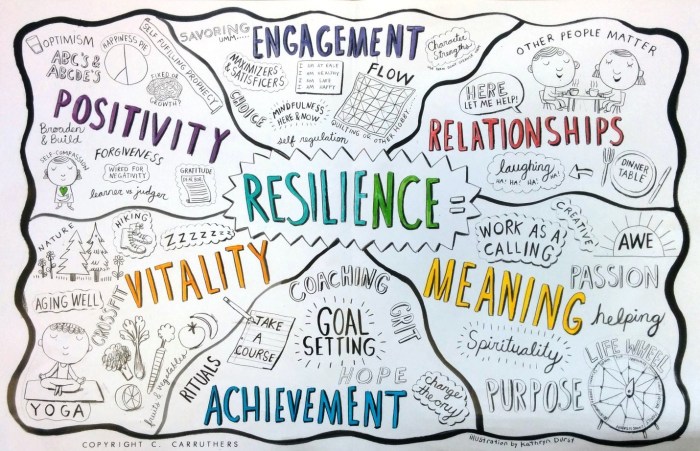
Regular health checkups play a crucial role in monitoring mental health and overall well-being. These checkups help in early detection of any underlying health issues, including mental health conditions, and provide an opportunity to address them promptly.
Significance of Health Screenings
Health screenings are essential for the early detection of mental health conditions such as anxiety, depression, and stress. They also help in identifying resilience factors that contribute to mental well-being. By undergoing regular screenings, individuals can work towards maintaining a healthy mind and seeking appropriate support if needed.
- Annual physical exams can help in assessing overall health and identifying any signs of mental health concerns.
- Mental health screenings can provide insights into emotional well-being and help in addressing any issues early on.
- Regular blood tests and health assessments can reveal imbalances or deficiencies that may impact mental health.
Tips for Prioritizing Routine Checkups
To maintain a healthy mind, it is essential to prioritize routine health checkups. Here are some tips to help individuals stay on track with their healthcare appointments:
- Mark your calendar with upcoming checkup dates to ensure you do not miss any appointments.
- Communicate openly with your healthcare provider about any concerns or symptoms related to mental health.
- Stay informed about the recommended screenings for your age group and overall health status.
Skin Health: Healthy Mind And Resilience Building
Maintaining healthy skin is not only important for physical appearance but also plays a crucial role in mental well-being. The connection between skin health and emotional resilience is often overlooked, but taking care of your skin can have a positive impact on your overall mental health.
The Impact of Skincare Routines on Emotional Health
Skincare routines can serve as a form of self-care, allowing individuals to take time for themselves and focus on their well-being. Engaging in a skincare routine can help reduce stress, anxiety, and improve self-esteem, leading to a more positive outlook on life.
- Regularly cleansing and moisturizing the skin can promote relaxation and mindfulness, helping individuals unwind after a long day.
- Using products with calming scents like lavender or chamomile can have a soothing effect on the mind, reducing feelings of tension and promoting emotional balance.
- Practicing gentle massage techniques while applying skincare products can also help release tension in facial muscles and promote relaxation.
Tips for Maintaining Healthy Skin for Mental Well-being, Healthy mind and resilience building
Taking care of your skin is not just about external appearance but also about nurturing your emotional health. Here are some tips for maintaining healthy skin as part of a holistic approach to mental well-being:
- Avoid harsh chemicals and opt for gentle, natural skincare products to prevent skin irritation and promote a sense of well-being.
- Stay hydrated by drinking plenty of water throughout the day, as hydration is essential for healthy skin and overall mental clarity.
- Protect your skin from the sun by using sunscreen daily, as sun damage can not only affect your skin’s health but also impact your emotional well-being.
Emotional Health
Emotional health refers to the ability to understand and manage your emotions effectively. It is a crucial aspect of building resilience as it allows individuals to cope with stress, adapt to changes, and maintain a positive outlook on life.
Strategies for Improving Emotional Health
- Practice mindfulness and relaxation techniques such as deep breathing exercises and meditation to reduce stress levels.
- Engage in activities that bring joy and fulfillment, such as hobbies, spending time with loved ones, or volunteering.
- Seek support from friends, family, or a therapist to express emotions and receive guidance in challenging times.
- Stay physically active as exercise can help release endorphins and improve mood.
- Set boundaries to protect your emotional well-being and prioritize self-care.
Impact of Positive Emotional Health
Positive emotional health has a significant impact on overall well-being and mental resilience. It enables individuals to navigate life’s challenges with a clear mind, make better decisions, and maintain healthy relationships. Cultivating positive emotional health can lead to increased happiness, reduced anxiety, and improved coping mechanisms in the face of adversity.
Health Motivation
Maintaining a healthy lifestyle and building mental resilience require a strong sense of motivation. When we are motivated, we are more likely to prioritize our health and well-being, leading to better overall health and resilience.
Tips for Staying Motivated
- Set achievable goals: Break down your health and wellness goals into smaller, manageable tasks to stay motivated and track your progress.
- Find your why: Identify the reasons behind your desire to be healthy and resilient, whether it’s to feel better, improve your quality of life, or be there for loved ones.
- Stay positive: Focus on the progress you’ve made rather than setbacks, and celebrate small victories along the way.
- Surround yourself with support: Seek encouragement from friends, family, or a health coach to stay motivated and accountable.
- Mix it up: Keep your routine fresh and exciting by trying new activities, exercises, or healthy recipes to prevent boredom and maintain motivation.
Benefits of a Motivated Mindset
- Improved mental health: A motivated mindset can help reduce stress, anxiety, and depression, leading to better mental well-being.
- Enhanced physical health: Being motivated to exercise, eat well, and prioritize self-care can boost your physical health and immunity.
- Increased resilience: A motivated individual is better equipped to face challenges, bounce back from setbacks, and adapt to change effectively.
- Long-term success: Motivation is key to sustaining healthy habits and lifestyle changes for the long haul, ensuring lasting health benefits.
Physical Activities
Regular physical activities play a crucial role in maintaining good mental health and building resilience. Engaging in physical exercise can help reduce stress levels, improve mood, boost self-esteem, and enhance overall cognitive function.
Examples of Physical Activities for Mental Well-being
- Yoga: Combining physical postures, breathing exercises, and meditation, yoga helps reduce stress and promote relaxation.
- Running or Jogging: Aerobic exercises like running release endorphins, the body’s natural stress-fighters, which can improve mood and reduce anxiety.
- Dancing: Dancing not only provides a fun way to stay active but also helps release tension and improve emotional well-being.
- Swimming: Swimming is a full-body workout that can help reduce symptoms of depression and anxiety while promoting relaxation.
Relationship between Physical Activity and Mental Strength
Regular physical activity has been linked to improved mental strength and resilience. Exercise helps increase the production of neurotransmitters like serotonin and dopamine, which are essential for regulating mood and emotions. Additionally, physical activities can provide a sense of accomplishment, boost self-confidence, and improve overall well-being.
Health Awareness
Raising awareness about mental health issues is crucial for building resilience in individuals. By shedding light on these issues, we can help individuals recognize the importance of mental well-being and equip them with the necessary tools to cope with challenges.
The Importance of Health Awareness
Increasing health awareness plays a significant role in reducing stigma associated with mental health conditions and promoting overall well-being. When individuals are educated about mental health, they are more likely to seek help when needed and support others in their journey towards mental wellness.
Participating in Health Awareness Initiatives
- Attend mental health awareness events and workshops to learn more about different aspects of mental health.
- Share educational resources and information about mental health on social media platforms to reach a wider audience.
- Engage in conversations about mental health with friends, family, and colleagues to normalize discussions and break down barriers.
- Volunteer with organizations that focus on mental health advocacy to contribute to the cause and make a positive impact in the community.
Preventive Medicine
Preventive medicine plays a crucial role in maintaining mental health and resilience by focusing on early intervention and risk reduction strategies.
By implementing preventive measures, individuals can significantly decrease the likelihood of developing mental health conditions and enhance their overall well-being.
Benefits of Preventive Medicine for Mental Health
- Regular exercise routines can help reduce stress levels and improve mood, contributing to better mental health.
- Healthy eating habits, such as consuming a balanced diet rich in nutrients, can support brain function and emotional well-being.
- Engaging in mindfulness practices, like meditation or deep breathing exercises, can enhance resilience and reduce anxiety.
Nutritional Counseling
Nutritional counseling plays a crucial role in supporting mental well-being and resilience by providing individuals with the necessary tools and knowledge to make informed decisions about their diet and overall health. By working with a nutrition expert, individuals can learn how to fuel their bodies and minds effectively, leading to improved emotional health and overall resilience.
Benefits of Personalized Nutrition Plans
- Personalized nutrition plans take into account individual needs, preferences, and goals, ensuring that the dietary recommendations are tailored to the specific requirements of each person.
- These plans can help individuals address nutritional deficiencies, optimize nutrient intake, and improve overall well-being, which can have a direct impact on emotional health and resilience.
- By focusing on personalized nutrition, individuals can develop a better understanding of how food choices can influence their mood, energy levels, and cognitive function, ultimately leading to improved mental well-being.
Creating Sustainable Habits for Mental Resilience
- Nutritional counseling helps individuals establish sustainable dietary habits that support long-term mental resilience and emotional well-being.
- By learning how to make healthier food choices and incorporate balanced nutrition into their daily lives, individuals can build a strong foundation for mental and emotional resilience.
- Through ongoing support and guidance from a nutrition expert, individuals can overcome challenges, develop positive eating behaviors, and maintain a healthy relationship with food, which are essential for long-term mental well-being.
Healthy Mind
A healthy mind is essential for overall well-being as it directly impacts our emotional state, decision-making, and resilience. It involves having a positive outlook, managing stress effectively, and being able to adapt to challenges confidently.
Strategies for Cultivating a Healthy Mind
- Practice mindfulness and meditation to reduce stress and increase self-awareness.
- Engage in regular physical exercise to boost mood and cognitive function.
- Develop a strong support system through social connections and meaningful relationships.
- Challenge negative thoughts and beliefs through cognitive-behavioral techniques.
- Prioritize self-care activities that promote relaxation and rejuvenation.
Impact of a Healthy Mind on Emotional Well-being
A healthy mind contributes to emotional well-being by enabling individuals to regulate their emotions effectively, cope with challenges constructively, and maintain a positive outlook even in difficult situations. It enhances resilience and fosters a sense of inner peace and contentment.
Answers to Common Questions
How do physical activities contribute to mental resilience?
Physical activities help reduce stress, improve mood, and enhance overall mental well-being by releasing endorphins and promoting relaxation.
What are some examples of nutrient-rich foods for a healthy mind?
Some examples include fatty fish rich in omega-3s, dark leafy greens, nuts and seeds, and whole grains that provide essential nutrients for brain health.
How can health education empower individuals in prioritizing their mental health?
Health education raises awareness about mental health issues, equipping individuals with knowledge and resources to make informed decisions for their well-being.



More Stories
Preventive Medicine and Telehealth Services: A Modern Approach to Healthcare
Collaborative international medical advancements: Global Innovations and Partnerships Accelerating Healthcare Breakthroughs
How to find a good physical therapist near me