Preventive Medicine
Preventive medicine plays a crucial role in maintaining overall health by focusing on preventing diseases before they occur, rather than just treating them after they have manifested. By emphasizing preventive measures, individuals can reduce the risk of developing chronic conditions and improve their quality of life.
Importance of Preventive Medicine
- Regular health screenings and check-ups can help detect potential health issues early on, allowing for timely intervention and treatment.
- Healthy lifestyle choices, such as proper nutrition, regular exercise, and stress management, can prevent the onset of various diseases.
- Vaccinations are a key aspect of preventive medicine, protecting individuals from infectious diseases and reducing the spread within the community.
Preventive vs. Reactive Medicine
Preventive medicine focuses on proactive measures to prevent diseases, while reactive medicine involves treating diseases and symptoms after they have already occurred. By prioritizing preventive care, individuals can reduce healthcare costs and avoid the complications associated with advanced disease stages.
Early Disease Detection
- Screening tests, such as mammograms and colonoscopies, can detect cancer in its early stages when treatment is most effective.
- Blood pressure monitoring and cholesterol checks can help identify cardiovascular risk factors early on, allowing for lifestyle modifications and medications to prevent heart disease.
- Genetic testing can assess an individual’s risk for hereditary conditions, enabling personalized preventive strategies to mitigate potential health risks.
Telehealth Services
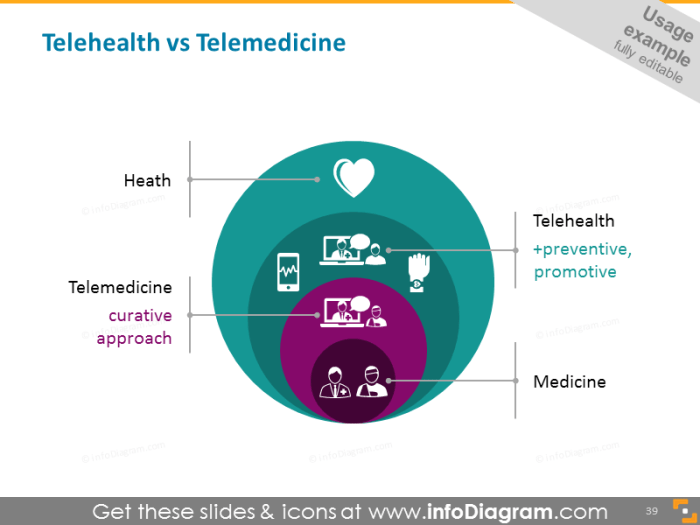
Telehealth services refer to the use of technology to provide healthcare remotely, allowing patients to consult with healthcare providers through virtual appointments, video calls, or messaging platforms.
Using telehealth services for preventive care offers several benefits, including increased access to healthcare for individuals in remote areas, convenience for patients with busy schedules, and the ability to monitor chronic conditions more closely. Telehealth also helps reduce the risk of exposure to infectious diseases, making it a safer option during public health crises.
Examples of Telehealth Services for Preventive Medicine
- Virtual consultations with primary care physicians for routine check-ups and screenings.
- Remote monitoring of vital signs and health data through wearable devices and smartphone apps.
- Telemedicine programs for lifestyle management, such as weight loss and smoking cessation.
Challenges and Limitations of Telehealth Services in Preventive Care
- Limited physical examinations and diagnostic tests that can only be conducted in person.
- Unequal access to technology and internet connectivity, particularly among underserved populations.
- Concerns about data privacy and security when sharing personal health information online.
Healthy Snacks
Preventive medicine and telehealth services – When it comes to maintaining a balanced diet, incorporating healthy snacks into your daily eating habits is crucial. Not only do they provide essential nutrients, but they also help in preventing overeating during main meals and keeping energy levels stable throughout the day.
Examples of Healthy Snack Options
- Raw vegetables (carrot sticks, cucumber slices)
- Fruits (apple slices, berries)
- Nuts and seeds (almonds, chia seeds)
- Greek yogurt with honey
- Rice cakes with avocado
Importance of Healthy Snacks
Healthy snacks play a vital role in boosting metabolism, improving concentration, and supporting overall health. By choosing nutrient-dense options, you can enhance your immune system, promote digestion, and maintain a healthy weight.
Tips for Choosing Nutritious Snacks
- Avoid snacks high in added sugars and unhealthy fats.
- Opt for whole foods like fruits, vegetables, and whole grains.
- Read labels to check for artificial ingredients and preservatives.
- Prepare snacks in advance to avoid reaching for processed options on-the-go.
Role of Healthy Snacks in Preventing Chronic Diseases
By regularly consuming healthy snacks, you can reduce the risk of chronic diseases such as heart disease, diabetes, and obesity. Nutrient-rich snacks help in stabilizing blood sugar levels, lowering cholesterol, and supporting cardiovascular health.
Wellness Programs
Wellness programs are comprehensive initiatives designed to promote overall health and well-being by incorporating various strategies to improve physical, mental, and emotional health.
Components of a Comprehensive Wellness Program
- Regular health screenings and assessments to identify risk factors and monitor progress.
- Health education and promotion activities to increase awareness and knowledge about healthy lifestyle choices.
- Physical activity programs and fitness challenges to encourage regular exercise.
- Nutrition counseling and healthy eating initiatives to support a balanced diet.
- Stress management techniques and mental health support services.
Benefits of Participating in Wellness Programs
- Improved overall health and well-being.
- Reduced risk of chronic diseases such as heart disease, diabetes, and obesity.
- Increase in productivity and morale in the workplace.
- Enhanced quality of life and longevity.
Successful Wellness Programs Incorporating Preventive Medicine
- The “Health First” program at ABC Corporation offers employees regular health screenings, access to nutritionists, and fitness classes to promote preventive health behaviors.
- The “Wellness360” program at XYZ Hospital includes mindfulness sessions, mental health resources, and incentives for participating in physical activities to support overall well-being.
Promoting Preventive Health Behaviors through Wellness Programs
- By providing education on the importance of preventive care and early detection of health conditions.
- Offering incentives such as rewards or discounts for engaging in healthy behaviors.
- Creating a supportive environment that encourages individuals to take charge of their health and well-being.
Physical Therapy: Preventive Medicine And Telehealth Services
Physical therapy plays a crucial role in preventive medicine by focusing on improving and maintaining the physical health and functionality of individuals to prevent injuries or health issues.
Common Physical Therapy Techniques
- Manual therapy: Hands-on techniques to mobilize joints, improve circulation, and reduce pain.
- Therapeutic exercises: Customized exercises to improve strength, flexibility, and endurance.
- Ultrasound therapy: Using sound waves to promote healing and reduce inflammation.
Conditions Benefiting from Physical Therapy
Physical therapy can help prevent further health issues in conditions such as:
- Chronic pain: Managing pain through techniques like therapeutic exercises and modalities.
- Orthopedic injuries: Rehabilitating injuries to prevent long-term complications.
- Cardiovascular conditions: Improving cardiovascular function through tailored exercise programs.
Importance of Early Intervention
Early intervention through physical therapy is essential for preventive measures as it can:
- Address underlying issues before they worsen.
- Improve physical function and prevent disability.
- Enhance overall quality of life by promoting optimal movement and function.
Health Coaching
A health coach plays a crucial role in promoting preventive health practices by providing guidance, support, and motivation to individuals looking to improve their overall well-being. They work closely with clients to set achievable goals, create personalized plans, and make sustainable lifestyle changes.
Benefits of Working with a Health Coach
- Helps in setting realistic and achievable fitness goals.
- Provides personalized support and guidance throughout the wellness journey.
- Offers accountability and motivation to stay on track with preventive care practices.
- Assists in identifying and overcoming barriers to healthy living.
Strategies Used by Health Coaches
- Creating individualized wellness plans tailored to the client’s specific needs and goals.
- Encouraging regular physical activity through personalized exercise routines and activity tracking.
- Providing education on nutrition and healthy eating habits to support overall well-being.
- Implementing stress management techniques to improve mental and emotional health.
Supporting Lifestyle Changes
Health coaching can support individuals in making sustainable lifestyle changes by offering continuous guidance, motivation, and accountability. Coaches help clients navigate challenges, celebrate successes, and adjust goals as needed to ensure long-term health and wellness.
Medical Advancements
Recent advancements in preventive medicine and telehealth services have revolutionized the way healthcare is delivered. Technology has played a crucial role in improving access to preventive care, making it more convenient and efficient for patients to stay proactive about their health.
One notable example of innovative medical technology being used for preventive measures is wearable devices that track vital signs and health metrics in real-time. These devices allow individuals to monitor their health continuously and detect any potential issues early on, leading to timely interventions and improved health outcomes.
Impact of Medical Advancements on Preventive Health Outcomes
- Advances in telehealth services have made it easier for patients to consult with healthcare providers remotely, reducing barriers to access and enabling more frequent check-ins for preventive care.
- Artificial intelligence and machine learning algorithms are being utilized to analyze large sets of health data, helping identify patterns and risk factors for various diseases. This proactive approach enables healthcare professionals to intervene before a condition progresses.
- Telemedicine platforms offer virtual wellness programs and health coaching services, empowering individuals to take charge of their health through personalized guidance and support.
- Virtual physical therapy sessions have become more common, allowing patients to receive rehabilitative care from the comfort of their homes. This convenience encourages adherence to treatment plans and promotes faster recovery.
- Remote monitoring devices and mobile health apps enable individuals to track their progress, set health goals, and receive feedback from healthcare providers, fostering a proactive approach to preventive healthcare.
Fitness Goals
Setting fitness goals is crucial for preventive health as it helps individuals stay motivated, track progress, and maintain a healthy lifestyle. By establishing realistic fitness goals, individuals can work towards long-term wellness and overall well-being.
Importance of Setting Realistic Fitness Goals
When it comes to setting fitness goals, it is essential to be specific, measurable, achievable, relevant, and time-bound (SMART). This approach helps individuals create a clear roadmap for their fitness journey and ensures they are setting themselves up for success.
- Start by identifying your current fitness level and any areas you would like to improve.
- Set both short-term and long-term goals to keep yourself motivated and on track.
- Consult with a fitness professional to help you create a personalized plan that aligns with your goals and abilities.
Examples of Exercises to Achieve Fitness Goals
There are various types of exercises that can help individuals achieve their fitness goals, whether it’s building strength, improving cardiovascular endurance, or increasing flexibility. Some examples include:
- Strength Training: Exercises such as squats, lunges, push-ups, and weightlifting can help build muscle and increase overall strength.
- Cardiovascular Exercise: Activities like running, cycling, swimming, or HIIT workouts can improve heart health and endurance.
- Flexibility Training: Yoga, Pilates, and stretching exercises can enhance flexibility and range of motion.
Connection Between Physical Activity and Preventive Medicine
Regular physical activity is closely linked to preventive medicine as it can help reduce the risk of chronic diseases such as heart disease, diabetes, and obesity. By staying active and reaching fitness goals, individuals can improve their overall health and well-being, leading to a lower likelihood of developing various health conditions.
Balanced Nutrition
Maintaining a balanced nutrition is crucial in preventive medicine as it plays a significant role in overall health and well-being. A balanced diet provides the necessary nutrients that help the body function optimally and can prevent various chronic diseases.
Role of Balanced Nutrition in Preventive Medicine
Balanced nutrition is essential for preventive medicine as it ensures that the body receives the right amount of nutrients to support its functions and maintain health. A diet rich in fruits, vegetables, whole grains, lean proteins, and healthy fats can help reduce the risk of developing chronic conditions such as heart disease, diabetes, and obesity.
Tips for Maintaining a Balanced Diet for Overall Health
- Eat a variety of foods from all food groups to ensure you are getting a wide range of nutrients.
- Avoid processed foods high in sugar, salt, and unhealthy fats.
- Stay hydrated by drinking an adequate amount of water throughout the day.
- Monitor portion sizes to prevent overeating.
- Plan meals ahead of time to make healthier choices and avoid spontaneous unhealthy eating.
Impact of Nutrition on Preventing Chronic Diseases
Nutrition plays a crucial role in preventing chronic diseases by providing the body with essential nutrients that support immune function, reduce inflammation, and maintain healthy organs. For example, a diet rich in antioxidants from fruits and vegetables can help reduce the risk of cancer and other diseases.
Examples of Nutrients Essential for Preventive Health Maintenance
- Vitamin D: Important for bone health and immune function.
- Omega-3 Fatty Acids: Help reduce inflammation and support heart health.
- Fiber: Aids in digestion and helps maintain healthy cholesterol levels.
- Antioxidants: Protect cells from damage and reduce the risk of chronic diseases.
Mental Strength
Mental strength plays a crucial role in preventive care as it helps individuals cope with stress, overcome challenges, and maintain a positive outlook on life. By fostering mental resilience and well-being, individuals are better equipped to make healthy choices, manage chronic conditions, and prevent the onset of various illnesses.
Strategies for Improving Mental Resilience and Well-being
- Practice mindfulness and meditation to reduce stress and increase self-awareness.
- Engage in regular physical activity to boost mood and promote overall well-being.
- Cultivate a strong support system of friends and family to provide emotional support during difficult times.
- Set realistic goals and prioritize self-care to maintain a healthy work-life balance.
Practices that Promote Mental Strength for Preventive Measures
- Develop a positive mindset by focusing on gratitude and practicing positive affirmations.
- Seek professional help from therapists or counselors to address underlying mental health issues.
- Engage in activities that bring joy and fulfillment, such as hobbies or creative outlets.
- Establish healthy boundaries to protect mental well-being and prevent burnout.
Connection Between Mental Health and Preventive Medicine
- Maintaining good mental health is essential for overall well-being and is interconnected with physical health.
- Individuals with untreated mental health issues may be at a higher risk for developing chronic illnesses.
- Proactive management of mental health can lead to better preventive care outcomes and overall quality of life.
- Integrating mental health screenings and support into preventive care services can help identify and address underlying issues early on.
Yoga Practice
Yoga is an ancient practice that offers numerous benefits for both the body and mind. Integrating yoga into a preventive health routine can significantly contribute to overall well-being and disease prevention.
Benefits of Yoga in Preventive Health
- Improves flexibility and strength, reducing the risk of injuries.
- Promotes relaxation and reduces stress levels, which can lower the risk of chronic diseases.
- Enhances mental clarity and focus, improving overall cognitive function.
- Boosts immune system function, helping the body fight off illnesses.
Yoga Poses for Preventive Health, Preventive medicine and telehealth services
- Downward Dog (Adho Mukha Svanasana): Strengthens the entire body, improves circulation, and relieves stress.
- Warrior II (Virabhadrasana II): Builds strength in the legs and core, enhancing balance and stability.
- Bridge Pose (Setu Bandhasana): Opens the chest and shoulders, improves spine flexibility, and reduces back pain.
Mindfulness in Yoga for Preventive Care
Mindfulness plays a crucial role in yoga practice for promoting preventive care. By focusing on the present moment and cultivating awareness of thoughts and sensations, individuals can better manage stress, anxiety, and other mental health issues. This heightened level of mindfulness can lead to improved overall well-being and a reduced risk of developing certain diseases.
Health Education
Health education plays a crucial role in preventive medicine by empowering individuals to take control of their health and well-being. By providing knowledge and resources on preventive health measures, individuals can make informed decisions to maintain their health and prevent diseases.
Importance of Health Education
Health education is essential in promoting preventive care as it equips individuals with the necessary information and skills to make healthy choices. It raises awareness about the importance of regular screenings, vaccinations, healthy lifestyle habits, and early detection of health issues.
Impact of Educating Individuals
- Increased awareness leads to early detection and timely intervention, reducing the risk of advanced diseases.
- Empowered individuals are more likely to adopt healthy behaviors and adhere to preventive health measures.
- Health education can help reduce healthcare costs by preventing chronic conditions and complications.
Effective Health Education Programs
- Community Workshops: Interactive sessions on nutrition, exercise, and disease prevention.
- Online Resources: Accessible information on websites and mobile apps for health education.
- School Programs: Curriculum-based initiatives to educate students on healthy habits and preventive care.
Empowering Individuals
Health education empowers individuals by providing them with the knowledge and skills to make informed decisions about their health. It encourages proactive engagement in preventive measures and promotes a sense of responsibility for personal well-being.
Weight Management
Maintaining a healthy weight is crucial for preventive health as it plays a significant role in reducing the risk of chronic diseases. Weight management involves a combination of balanced nutrition, regular physical activity, and lifestyle modifications to achieve and sustain a healthy weight.
Strategies for Maintaining a Healthy Weight
- Focus on a balanced diet that includes a variety of nutrient-dense foods such as fruits, vegetables, whole grains, lean proteins, and healthy fats.
- Engage in regular physical activity, aiming for at least 150 minutes of moderate-intensity exercise per week.
- Monitor portion sizes and avoid mindless eating or emotional eating habits.
- Stay hydrated by drinking an adequate amount of water throughout the day.
- Get enough quality sleep to support overall health and weight management.
Weight Management Programs for Preventive Medicine
- Weight Watchers: A popular program that focuses on a balanced diet, exercise, and behavior modification for sustainable weight loss.
- MyFitnessPal: An app that helps track food intake, exercise, and weight progress to promote healthy habits.
- Nutrisystem: A meal delivery service that provides portion-controlled meals and snacks to support weight loss goals.
- Noom: A behavior change program that combines personalized coaching with tracking tools to help individuals make lasting lifestyle changes.
Impact of Weight Management on Chronic Disease Risk
Weight management plays a crucial role in reducing the risk of chronic diseases such as heart disease, type 2 diabetes, hypertension, and certain cancers. Excess weight can contribute to inflammation, insulin resistance, and other metabolic imbalances that increase the likelihood of developing these conditions. By maintaining a healthy weight through proper diet, exercise, and lifestyle choices, individuals can significantly decrease their risk of chronic disease and improve overall health and well-being.
Health Checkups
Regular health checkups are essential for preventive care as they help in early detection of potential health issues and provide an opportunity for timely intervention. By monitoring key health indicators through checkups, individuals can take proactive steps towards maintaining their well-being and preventing future health complications.
Frequency of Health Checkups
- Children and Adolescents: Annual checkups are recommended to monitor growth, development, and overall health.
- Adults (18-64 years): Regular checkups every 1-3 years, depending on individual health status and risk factors.
- Seniors (65+ years): Annual checkups are typically advised to address age-related health concerns and monitor chronic conditions.
Screenings and Tests Included
- Blood Pressure Measurement: To check for hypertension, a leading risk factor for heart disease.
- Cholesterol Test: To assess lipid levels and evaluate cardiovascular health.
- Blood Glucose Test: To screen for diabetes and monitor blood sugar levels.
- Cancer Screenings (e.g., mammograms, colonoscopies): To detect cancer at early stages when treatment is most effective.
- Vaccinations: To protect against infectious diseases and boost immunity.
Importance of Early Detection
Regular health checkups play a crucial role in identifying health issues before they escalate, enabling timely interventions and preventive measures. Early detection through screenings and tests can lead to better health outcomes, reduced healthcare costs, and improved quality of life. By staying proactive with health checkups, individuals can prioritize their well-being and take charge of their health journey.
Skin Health
Skin health plays a crucial role in preventive medicine as it serves as a barrier against infections, helps regulate body temperature, and plays a role in the synthesis of vitamin D. Maintaining healthy skin is essential for overall well-being and can prevent various skin conditions and diseases.
Significance of Skin Health
Proper care of the skin can help prevent common conditions such as acne, eczema, psoriasis, and dermatitis. By maintaining healthy skin, individuals can reduce the risk of infections, allergies, and other skin-related issues.
- Keep the skin clean by washing regularly with a mild cleanser and avoiding harsh soaps that can strip the skin of its natural oils.
- Moisturize the skin to keep it hydrated and prevent dryness, which can lead to itching, cracking, and inflammation.
- Protect the skin from sun damage by using sunscreen with a high SPF, wearing protective clothing, and seeking shade during peak hours.
- Eat a balanced diet rich in fruits, vegetables, and healthy fats to nourish the skin from within.
- Stay hydrated by drinking an adequate amount of water daily to keep the skin supple and healthy.
Preventive Measures Against Skin Cancer
Skin health is closely linked to preventive measures against skin cancer, the most common type of cancer worldwide. By practicing sun safety, avoiding tanning beds, and performing regular skin self-exams, individuals can reduce their risk of developing skin cancer.
“Prevention is key when it comes to maintaining healthy skin and reducing the risk of skin conditions and diseases.”
Emotional Health
Emotional health plays a crucial role in overall well-being and preventive care. It encompasses the ability to manage stress, maintain positive relationships, cope with challenges, and express emotions in a healthy way.
To promote emotional well-being for preventive measures, individuals can engage in activities such as mindfulness meditation, journaling, spending time in nature, practicing gratitude, and seeking support from mental health professionals when needed.
Strategies for Promoting Emotional Well-Being
- Practice mindfulness meditation daily to reduce stress and increase self-awareness.
- Keep a gratitude journal to focus on positive aspects of life and foster resilience.
- Spend time in nature to improve mood, reduce anxiety, and enhance overall well-being.
- Engage in regular physical activity to release endorphins and boost mood.
- Seek support from a therapist or counselor to address any underlying emotional issues.
Importance of Addressing Emotional Health in Preventive Care Plans
Emotional health directly impacts physical health, making it essential to address emotional well-being in preventive care plans. Untreated emotional issues can lead to chronic stress, weakened immune system, and various health complications.
- By prioritizing emotional health, individuals can enhance their overall quality of life and reduce the risk of developing chronic conditions.
- Emotional well-being contributes to better decision-making, healthier relationships, and improved coping mechanisms during challenging times.
- Integrating emotional health practices into preventive care plans can lead to a more holistic approach to wellness, addressing both physical and mental aspects of health.
Health Motivation
Maintaining preventive health behaviors requires consistent motivation to prioritize one’s well-being. Without motivation, it can be challenging to stay on track with healthy habits that contribute to overall wellness. Motivation plays a crucial role in sustaining preventive health practices and achieving long-term health goals.
Tips for Staying Motivated
- Set specific, achievable goals: Break down larger health objectives into smaller, manageable steps to track progress and stay motivated.
- Reward yourself: Celebrate milestones and achievements along the way to maintain motivation and reinforce positive behaviors.
- Stay connected: Surround yourself with supportive individuals who encourage and motivate you to prioritize preventive care.
- Visualize success: Create a vision board or mental imagery of your desired health outcomes to stay focused and motivated.
Motivational Techniques for Achieving Health Goals
- Positive affirmations: Repeat affirmations that reinforce your commitment to health and well-being to boost motivation.
- Routine reminders: Use alarms, sticky notes, or digital reminders to stay on track with preventive health practices.
- Accountability partners: Partner with a friend, family member, or health coach to hold you accountable and provide motivation and support.
- Reward system: Implement a rewards system where you treat yourself to something you enjoy after consistently following through with preventive health behaviors.
Impact of Motivation on Sustaining Preventive Health Practices
Motivation serves as the driving force behind maintaining preventive health practices. When individuals are motivated to prioritize their health, they are more likely to adhere to healthy habits, attend regular check-ups, engage in physical activity, and make informed choices regarding nutrition and wellness. The impact of motivation extends beyond initial efforts, as it influences long-term commitment to preventive care and overall well-being.
Physical Activities
Regular physical activity plays a crucial role in preventive health by helping to maintain overall well-being and preventing various diseases. Engaging in physical activities not only improves physical health but also has a positive impact on mental health and emotional well-being.
Benefits of Engaging in Physical Activities
- Improves cardiovascular health
- Strengthens muscles and bones
- Helps in weight management
- Boosts mood and reduces stress
- Enhances overall quality of life
Examples of Physical Activities for Preventive Care
- Brisk walking or jogging
- Swimming
- Cycling
- Dancing
- Yoga or Pilates
Impact of Regular Exercise on Disease Prevention
- Reduces the risk of chronic diseases such as heart disease, diabetes, and obesity
- Improves immune function
- Helps in managing and preventing mental health conditions like depression and anxiety
How Incorporating Physical Activities Supports Preventive Medicine
- Encourages healthy lifestyle habits
- Reduces healthcare costs in the long run
- Promotes overall wellness and longevity
Health Awareness
Raising health awareness plays a crucial role in preventive care by educating individuals about the importance of taking proactive steps to maintain their health and well-being.
Health awareness campaigns have a significant impact on promoting preventive health behaviors by highlighting the benefits of adopting healthy habits and early detection of potential health issues.
Initiatives to Increase Health Awareness
- Community Health Fairs: Organizing health fairs where individuals can access free health screenings, consultations, and educational resources.
- Social Media Campaigns: Utilizing social media platforms to disseminate information about preventive measures, healthy lifestyle choices, and regular health check-ups.
- School Health Programs: Implementing health education programs in schools to teach students about the importance of nutrition, physical activity, and mental well-being.
Empowerment Through Health Awareness
Health awareness empowers individuals to make informed decisions about their health by providing them with the knowledge and resources needed to take control of their well-being. When people are aware of the impact of their lifestyle choices on their health, they are more likely to make positive changes to enhance their overall quality of life.
Nutritional Counseling
Nutritional counseling plays a crucial role in preventive medicine by providing individuals with personalized guidance on maintaining a healthy diet to prevent various health conditions.
Benefits of Nutritional Counseling
- Helps individuals understand their nutritional needs based on their health goals and medical conditions.
- Educates individuals on making healthier food choices to prevent chronic diseases like diabetes, heart disease, and obesity.
- Supports weight management efforts by promoting balanced nutrition and portion control.
- Encourages the adoption of sustainable dietary habits for long-term health benefits.
Examples of Nutritional Counseling Programs
- Diabetes Management Program: Offers guidance on carbohydrate counting, meal planning, and blood sugar control for individuals with diabetes.
- Heart-Healthy Eating Program: Focuses on reducing saturated fats, sodium intake, and cholesterol levels to promote cardiovascular health.
- Weight Loss Program: Provides strategies for calorie reduction, mindful eating, and behavior change to support weight loss goals.
- General Wellness Program: Covers overall nutrition education, meal preparation tips, and healthy eating habits for preventive care.
Healthy Mind
Maintaining a healthy mind is crucial for overall preventive health. A healthy mind can positively impact our physical well-being and help in preventing various health issues. It is essential to focus on strategies that promote mental well-being as part of preventive care.
Strategies for Promoting Mental Well-being
- Engage in regular physical activity: Exercise has been shown to improve mood, reduce stress, and enhance cognitive function.
- Practice mindfulness and meditation: Mindfulness techniques can help reduce anxiety, improve focus, and promote emotional resilience.
- Get an adequate amount of sleep: Quality sleep is essential for mental health, as it allows the brain to recharge and function optimally.
- Cultivate social connections: Building strong relationships and having a support system can contribute to a healthy mind.
Examples of Practices for Cognitive Health
- Engaging in brain-stimulating activities like puzzles, reading, or learning new skills.
- Eating a balanced diet rich in antioxidants and omega-3 fatty acids to support brain function.
- Avoiding substances like alcohol and tobacco that can negatively impact cognitive health.
- Seeking professional help when experiencing mental health challenges to prevent long-term issues.
Connection Between Healthy Mind and Preventive Health Outcomes
Maintaining a healthy mind is closely linked to overall preventive health outcomes. When our mental well-being is prioritized, we are better equipped to handle stress, make healthier lifestyle choices, and adhere to preventive measures. A healthy mind can lead to better physical health outcomes and a reduced risk of developing chronic conditions.
Questions and Answers
How often should I engage in preventive medicine practices?
It is recommended to incorporate preventive medicine practices into your routine on a regular basis, such as annual check-ups and screenings based on your age and risk factors.
What are some common telehealth services focused on preventive care?
Telehealth services for preventive care can include virtual consultations with healthcare providers, monitoring of vital signs remotely, and access to educational resources for disease prevention.
How can I choose nutritious snacks over processed ones?
To choose nutritious snacks, opt for whole foods like fruits, vegetables, nuts, and seeds, and avoid snacks high in added sugars, unhealthy fats, and artificial ingredients.
What are some examples of successful wellness programs that blend preventive medicine?
Wellness programs that focus on preventive medicine may include lifestyle coaching, stress management techniques, nutritional guidance, and physical activity plans tailored to individual health goals.
How does mental strength contribute to preventive care?
Mental strength plays a vital role in preventive care by enhancing resilience, coping mechanisms, and overall emotional well-being, which can positively impact health outcomes and disease prevention.


More Stories
Healthy mind and resilience building: Tips for a Stronger Mind
Collaborative international medical advancements: Global Innovations and Partnerships Accelerating Healthcare Breakthroughs
How to find a good physical therapist near me