Fitness Goals: Fitness Goals For Enhancing Balance
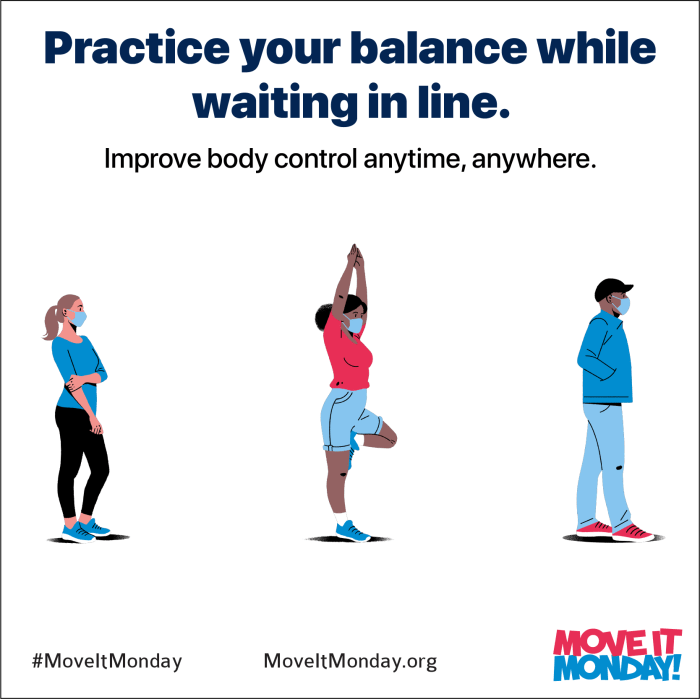
Setting specific fitness goals is crucial for enhancing balance as it provides a clear direction and motivation to work towards improving this aspect of physical fitness. By establishing concrete objectives, individuals can track their progress, stay focused, and make necessary adjustments to their fitness routines to achieve better balance.
Examples of Fitness Goals Targeting Balance Improvement
- Improve single-leg balance by being able to stand on one leg for a longer duration without losing stability.
- Enhance core strength to support better balance during dynamic movements and activities.
- Master yoga poses that challenge balance, such as tree pose or warrior III, to improve stability and coordination.
- Incorporate balance exercises like standing on a balance board or using a stability ball to enhance proprioception and overall balance control.
Positive Impact of Achieving Fitness Goals on Overall Health, Fitness goals for enhancing balance
Setting and achieving fitness goals related to balance improvement can have a significant positive impact on overall health and well-being. Improved balance can reduce the risk of falls and injuries, enhance athletic performance, and promote better posture and alignment. Additionally, focusing on balance training can help enhance coordination, agility, and stability, leading to better functional movement and overall physical fitness.
Balanced Nutrition
Proper nutrition plays a crucial role in supporting fitness goals, especially when it comes to enhancing balance. A balanced diet provides the necessary nutrients to fuel your body and improve muscle coordination, which is essential for maintaining stability and balance.
Nutrient-Rich Foods for Balance
Eating a variety of nutrient-rich foods can help improve balance by providing essential vitamins and minerals that support overall health. Some examples of foods that can aid in enhancing balance include:
- Leafy green vegetables like spinach and kale, which are rich in vitamin K that helps in blood clotting and bone health.
- Fatty fish such as salmon and mackerel, which are high in omega-3 fatty acids that support brain function and reduce inflammation.
- Nuts and seeds like almonds and chia seeds, which are good sources of magnesium and protein for muscle function and repair.
- Dairy products like yogurt and cheese, which provide calcium for strong bones and vitamin D for calcium absorption.
Hydration and Balance
Proper hydration is also key to maintaining balance during physical activities. Dehydration can lead to dizziness, muscle cramps, and reduced cognitive function, all of which can affect your ability to stay balanced. It is essential to drink an adequate amount of water before, during, and after exercise to prevent dehydration and support optimal performance. Remember to listen to your body’s thirst cues and stay hydrated throughout the day to promote overall balance and well-being.
Physical Activities
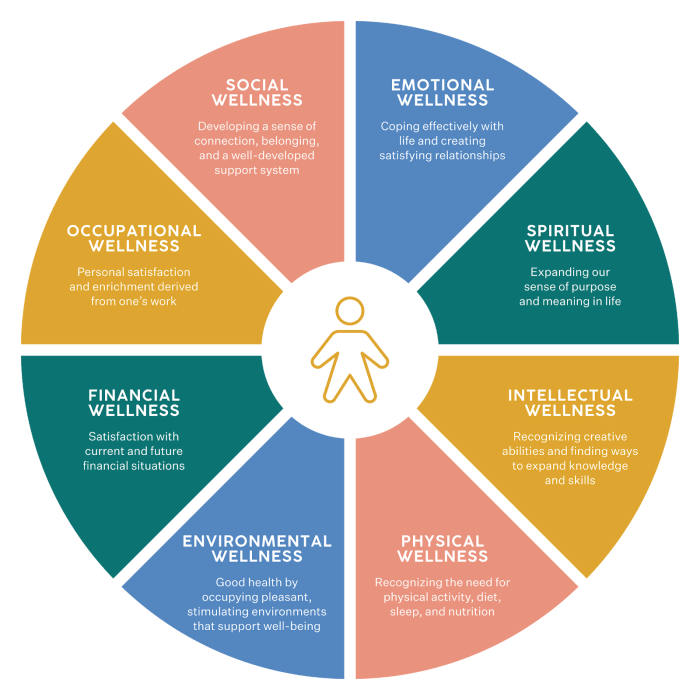
Regular physical activities play a crucial role in enhancing balance and overall fitness. Incorporating specific exercises can help improve stability and coordination, reducing the risk of falls and injuries.
Yoga
- Yoga focuses on strength, flexibility, and balance through various poses and movements.
- Poses like Tree Pose, Warrior III, and Eagle Pose challenge balance and stability.
- Practicing yoga regularly can improve proprioception and body awareness.
Pilates
- Pilates strengthens the core muscles, which are essential for balance and stability.
- Exercises like the Hundred, Roll-Up, and Side Leg Lifts target core strength and balance.
- Pilates can help improve posture, alignment, and overall body control.
Tai Chi
- Tai Chi is a gentle martial art that emphasizes slow, flowing movements and mindfulness.
- Practicing Tai Chi can enhance balance, coordination, and flexibility.
- The focus on controlled movements and shifting body weight improves stability and reduces the risk of falls.
Cardiovascular Exercises
Regular cardiovascular exercises like walking, running, cycling, or swimming are essential for overall fitness and health. Combining these activities with balance-focused workouts can provide a well-rounded approach to fitness. Cardiovascular exercises improve endurance, heart health, and circulation, while balance-focused activities enhance stability, coordination, and agility. By incorporating a mix of both types of exercises into your routine, you can achieve optimal fitness and improve your overall balance and well-being.
Mental Strength
Achieving fitness goals for enhancing balance requires not only physical strength but also mental resilience. Mental strength plays a crucial role in staying focused, motivated, and determined throughout balance-related workouts. It helps individuals push past their limits, overcome challenges, and maintain a positive mindset even when faced with difficulties.
Strategies for Improving Mental Resilience
- Practice visualization techniques: Visualizing yourself successfully completing balance exercises can boost confidence and mental strength.
- Set realistic goals: Break down your fitness goals into smaller, achievable milestones to prevent feeling overwhelmed and stay motivated.
- Develop a positive self-talk: Replace negative thoughts with positive affirmations to build mental resilience and maintain focus during workouts.
- Embrace challenges: View obstacles as opportunities for growth rather than setbacks, and approach them with a positive and determined mindset.
Relationship between Mindfulness Practices and Physical Balance
Mindfulness practices, such as meditation and deep breathing exercises, can significantly improve physical balance by enhancing focus, concentration, and awareness of body movements. By incorporating mindfulness techniques into your fitness routine, you can increase your mind-body connection, reduce stress levels, and improve overall balance and stability. Practicing mindfulness can also help you stay present in the moment, prevent distractions, and maintain a calm and focused mindset during balance-related workouts.
Health Coaching
Fitness goals for enhancing balance – Health coaching plays a vital role in guiding individuals towards achieving balance-related fitness goals by providing personalized guidance and support throughout their wellness journey.
Personalized Plans for Improving Balance
- A health coach can assess an individual’s current fitness level and balance abilities to create a customized plan tailored to their specific needs and goals.
- By incorporating exercises and activities that target balance and stability, a health coach can help individuals improve their overall coordination and reduce the risk of falls or injuries.
- Through regular check-ins and adjustments to the plan as needed, a health coach ensures that the individual stays on track and continues to progress towards better balance.
Benefits of Working with a Health Coach
- Accountability: A health coach provides accountability and motivation to help individuals stay committed to their fitness goals and maintain consistency in their efforts.
- Support: With a health coach, individuals have a dedicated partner to cheer them on, offer guidance, and provide encouragement during challenging times.
- Expertise: Health coaches have the knowledge and expertise to design effective workout routines, nutritional plans, and lifestyle changes that can enhance balance and overall well-being.
- Long-term Success: By working with a health coach, individuals are more likely to achieve long-term success in improving their balance and leading a healthier lifestyle.
Yoga Practice
Practicing yoga is a fantastic way to enhance balance and flexibility while also improving mental focus and emotional well-being. Yoga combines physical poses, controlled breathing, and meditation to create a holistic approach to fitness and health.
Yoga Poses for Balance Improvement
- Tree Pose (Vrikshasana): This pose involves standing on one leg with the other foot placed on the inner thigh of the standing leg. It helps improve balance, focus, and concentration.
- Warrior III (Virabhadrasana III): Warrior III pose requires balancing on one leg while extending the other leg and torso parallel to the ground. It strengthens the legs, core, and improves overall stability.
- Dancer’s Pose (Natarajasana): Dancer’s pose challenges balance by standing on one leg while holding the other foot with one hand and extending the other arm forward. It enhances balance, flexibility, and opens up the hips.
Mental and Emotional Benefits of Yoga
Yoga not only helps improve physical balance but also has numerous mental and emotional benefits. The focus on breathing and mindfulness during yoga practice can reduce stress, anxiety, and improve overall mental well-being. Incorporating yoga into a fitness routine can help enhance self-awareness, promote relaxation, and boost mood and emotional resilience.
Weight Management
Maintaining a healthy weight plays a crucial role in enhancing balance and overall physical health. Excess weight can put additional strain on the body, making it more challenging to stay balanced and coordinated. It can also increase the risk of falls and injuries, especially as we age.
Impact of Weight Management on Balance
- Reducing excess weight can help improve stability and equilibrium, making it easier to perform balance-enhancing exercises.
- Weight management can also lower the risk of developing conditions such as osteoarthritis, which can affect joint health and mobility.
- By maintaining a healthy weight, individuals can improve their posture and reduce the burden on their muscles and joints, leading to better overall balance.
Tips for Achieving Weight Management Goals
- Follow a balanced diet rich in fruits, vegetables, lean proteins, and whole grains to support weight loss and overall health.
- Engage in regular physical activity, including cardio exercises and strength training, to burn calories and build muscle mass.
- Stay hydrated and monitor portion sizes to prevent overeating and support weight management goals.
- Seek support from a health coach or nutritionist to create a personalized plan that aligns with your weight management and balance goals.
Healthy Snacks
When it comes to enhancing balance through fitness goals, fueling your body with the right snacks is crucial. Healthy snacks can provide the energy and nutrients needed for balance-focused workouts while supporting muscle recovery. Pre and post-workout nutrition plays a significant role in achieving fitness goals related to balance.
Examples of Healthy Snacks:
- Greek yogurt with berries and a sprinkle of almonds
- Rice cakes with avocado and sliced turkey
- Apple slices with almond butter
- Veggies with hummus
Importance of Pre and Post-Workout Nutrition:
Proper nutrition before and after a workout can optimize performance and enhance recovery. Pre-workout snacks should provide a balance of carbohydrates and protein to fuel your workout, while post-workout snacks are essential for replenishing energy stores and supporting muscle repair.
Recipes for Energy and Muscle Recovery:
- Protein smoothie: Blend spinach, banana, protein powder, and almond milk
- Quinoa salad with mixed veggies and grilled chicken
- Energy balls made with dates, nuts, and coconut flakes
Frequently Asked Questions
How often should I reassess my fitness goals for enhancing balance?
It’s recommended to reassess your fitness goals every 3-6 months to track progress and make necessary adjustments.
Can I achieve better balance solely through physical activities?
While physical activities play a significant role, incorporating nutrition, mental strength, and other aspects is crucial for comprehensive balance improvement.
Is it necessary to work with a health coach to enhance balance?
While not mandatory, working with a health coach can provide personalized guidance and motivation to help you reach your balance-related fitness goals more effectively.



More Stories