Balanced Nutrition for Breastfeeding Mothers
Balanced nutrition for breastfeeding mothers – Proper nutrition is crucial for breastfeeding mothers as it not only helps them recover from childbirth but also ensures that they produce high-quality breast milk for their babies.
Essential Nutrients for Breastfeeding Mothers
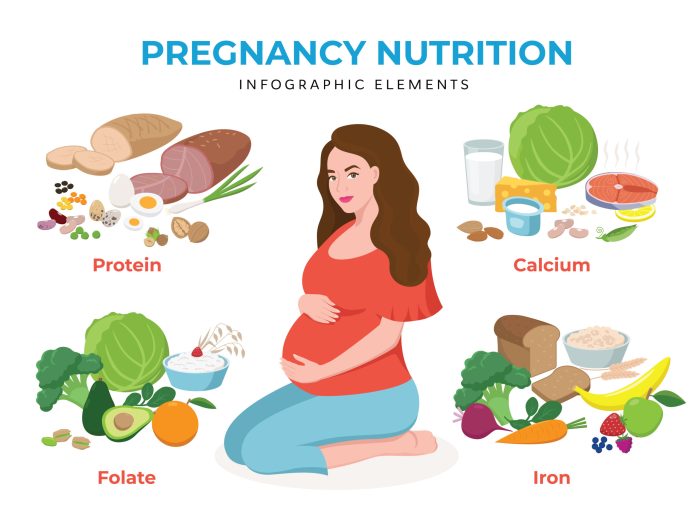
- Protein: Found in sources like lean meats, poultry, fish, eggs, dairy, legumes, and nuts, protein is essential for tissue repair and growth.
- Iron: Iron-rich foods like red meat, poultry, fish, beans, and fortified cereals help prevent anemia and support energy levels.
- Calcium: Dairy products, leafy greens, and fortified foods are excellent sources of calcium, crucial for bone health and muscle function.
- Omega-3 Fatty Acids: Found in fatty fish, flaxseeds, and walnuts, omega-3s support brain and eye development in infants.
- Vitamin D: Sunlight exposure, fortified foods, and supplements can help breastfeeding mothers meet their vitamin D needs for bone health.
Impact of Balanced Diet on Breast Milk Quality
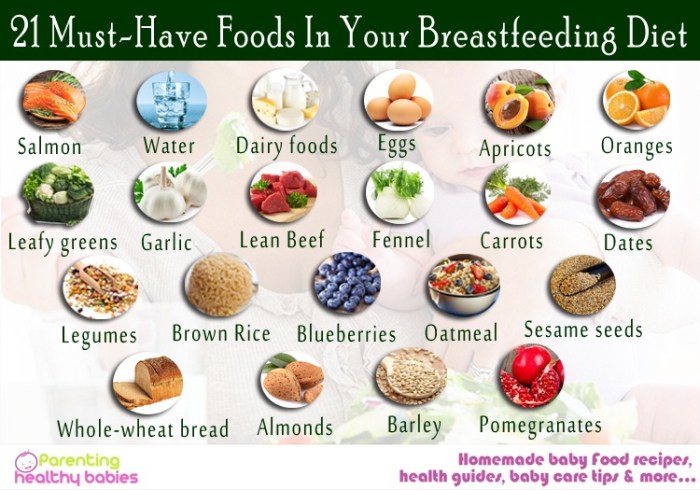
A balanced diet rich in essential nutrients can positively influence the composition and quality of breast milk, providing infants with the necessary vitamins, minerals, and fats for healthy growth and development.
Tips for Creating a Balanced Meal Plan
- Include a variety of fruits, vegetables, whole grains, lean proteins, and healthy fats in your meals.
- Stay hydrated by drinking plenty of water throughout the day.
- Avoid excessive caffeine and alcohol consumption, which can pass into breast milk.
- Consult with a healthcare provider or a nutritionist to ensure you are meeting your specific nutrient needs while breastfeeding.
Healthy Snacks for Breastfeeding Mothers
When it comes to nourishing your body while breastfeeding, healthy snacks play a crucial role in providing essential nutrients and energy. Incorporating nutritious snacks into your diet can help maintain your energy levels, support milk production, and ensure you are getting the necessary vitamins and minerals.
Suggested Nutritious Snack Options
- Raw nuts and seeds
- Fresh fruits like berries, apples, and bananas
- Greek yogurt with honey and granola
- Vegetable sticks with hummus
- Whole grain crackers with cheese
Benefits of Healthy Snacks
Healthy snacks provide a constant source of energy throughout the day, helping you avoid energy dips and cravings for sugary treats. They also contribute to your overall nutrient intake, supporting both your health and your baby’s development.
Quick and Easy Snack Recipes
- Energy Bites: Mix rolled oats, peanut butter, honey, and dark chocolate chips. Roll into small balls and refrigerate.
- Fruit and Nut Mix: Combine dried fruits like apricots and cranberries with almonds and cashews for a satisfying snack on the go.
- Veggie Wrap: Spread hummus on a whole wheat wrap, add sliced vegetables like cucumbers and bell peppers, roll up, and enjoy.
Tips for Planning and Preparing Snacks
- Pre-cut fruits and vegetables and store them in the fridge for easy access.
- Batch prepare snacks like energy bars or trail mix to grab when hunger strikes.
- Keep healthy options visible and within reach to avoid reaching for less nutritious choices.
Wellness Programs for Breastfeeding Mothers
Joining a wellness program postpartum can provide numerous benefits for breastfeeding mothers. These programs are specifically designed to support women during this important phase of their lives, focusing on both physical and mental well-being.
Types of Wellness Programs
- Yoga and Meditation Classes: These programs can help breastfeeding mothers relax, reduce stress, and improve overall mental health.
- Nutrition Counseling: Getting expert advice on a balanced diet can enhance milk production and ensure the mother’s health is taken care of.
- Exercise Classes: Staying active postpartum can boost energy levels, improve mood, and aid in postpartum recovery.
Advantages of Wellness Programs
- Enhanced Well-being: Wellness programs can help mothers feel more confident, reduce anxiety, and promote a sense of overall wellness.
- Community Support: Joining a wellness program can connect mothers with like-minded individuals, fostering a supportive community.
- Improved Health: Engaging in wellness activities can lead to better physical health, increased energy levels, and faster postpartum recovery.
Success Stories
Many breastfeeding mothers who have participated in wellness programs have reported feeling more empowered, healthier, and better equipped to handle the challenges of motherhood. These programs have provided them with the tools and support they needed to thrive during this special time.
Choosing the Right Program, Balanced nutrition for breastfeeding mothers
- Assess Your Needs: Consider what aspects of your well-being you want to focus on and choose a program that aligns with your goals.
- Research Options: Look into different wellness programs available in your area or online, and read reviews or testimonials to gauge their effectiveness.
- Consult Professionals: Seek advice from healthcare providers or lactation consultants to determine which program would be most beneficial for you based on your individual needs.
Physical Therapy for Postpartum Recovery
Physical therapy plays a crucial role in aiding postpartum recovery for breastfeeding mothers by focusing on restoring strength, improving flexibility, and addressing any musculoskeletal issues that may have arisen during pregnancy and childbirth.
Common Postpartum Issues Addressed by Physical Therapy
- Diastasis recti: Physical therapy can help to strengthen the core muscles and close the abdominal separation that often occurs postpartum.
- Low back pain: Therapists can provide exercises and techniques to alleviate discomfort and improve posture.
- Pelvic floor dysfunction: Physical therapy can assist in strengthening the pelvic floor muscles to address issues like urinary incontinence.
- Neck and shoulder pain: Breastfeeding can lead to tension in the neck and shoulders, which can be relieved through targeted exercises and stretches.
Exercises and Techniques for Postpartum Recovery
-
Pelvic tilts: These exercises can help strengthen the core muscles and improve pelvic alignment.
-
Kegels: Pelvic floor exercises can aid in tightening and strengthening the muscles that support the pelvic organs.
-
Posture correction: Physical therapists can provide guidance on proper body mechanics during daily activities to prevent and alleviate pain.
Finding a Qualified Physical Therapist
When seeking a physical therapist specialized in postpartum care, it is essential to look for professionals with experience in treating postpartum issues. Consider asking for recommendations from healthcare providers or other mothers who have undergone postpartum physical therapy. Additionally, ensure that the therapist is licensed and certified in women’s health physical therapy to receive the best care tailored to your specific needs.
Health Coaching for Breastfeeding Mothers
Health coaching can be a valuable resource for breastfeeding mothers looking to achieve their wellness goals during the postpartum period. By working with a health coach, mothers can receive personalized guidance, support, and motivation to make healthy lifestyle choices that benefit both themselves and their baby.
Benefits of Health Coaching for Breastfeeding Mothers
- Personalized support: Health coaches can tailor their advice to meet the specific needs and goals of each individual mother.
- Accountability: Regular check-ins with a health coach can help mothers stay on track with their nutrition, exercise, and self-care routines.
- Education: Health coaches can provide valuable information on topics such as nutrition, stress management, and sleep hygiene to optimize postpartum recovery.
- Emotional support: Health coaches can offer a listening ear and guidance on managing the emotional challenges that may arise during the postpartum period.
Success Stories of Breastfeeding Mothers with Health Coaching
“After working with a health coach, I was able to establish a healthy routine that helped me feel more energized and confident in my ability to care for my baby.”
Tips for Finding a Reputable Health Coach specializing in Postpartum Care
- Look for certifications: Choose a health coach who is certified by a reputable organization in health coaching or nutrition.
- Ask for referrals: Seek recommendations from other breastfeeding mothers or healthcare providers who have experience working with health coaches.
- Consider specialization: Look for a health coach who specializes in postpartum care to ensure they have the expertise needed to support you during this unique phase of motherhood.
- Compatibility: Find a health coach with whom you feel comfortable and can build a trusting relationship to maximize the benefits of the coaching experience.
Medical Advancements in Postpartum Care
Medical advancements in postpartum care have significantly improved the health and well-being of breastfeeding mothers. These advancements have revolutionized the way healthcare services are provided to women during the postpartum period, leading to better outcomes and faster recovery.
Enhanced Telemedicine Services
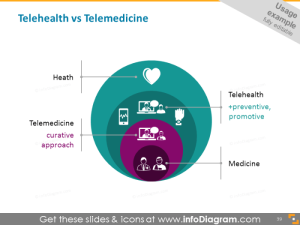
- Telemedicine has made it easier for postpartum women to access healthcare services remotely, allowing for virtual consultations with healthcare providers without the need to travel.
- Through telemedicine, breastfeeding mothers can receive guidance on postpartum recovery, lactation support, and mental health counseling from the comfort of their homes.
Innovative Postpartum Therapies
- Advancements in medical technology have led to the development of innovative therapies for postpartum recovery, such as laser treatments for scar reduction and regenerative medicine for tissue repair.
- These therapies help accelerate the healing process, reduce pain, and improve overall physical well-being for breastfeeding mothers.
Personalized Postpartum Care Plans
- Medical advancements have enabled healthcare providers to create personalized postpartum care plans tailored to the specific needs of each breastfeeding mother.
- By incorporating data-driven insights and predictive analytics, healthcare professionals can offer targeted interventions and support to improve postpartum health outcomes.
Remote Monitoring Devices
- Technological innovations have introduced remote monitoring devices that allow healthcare providers to track the health metrics of postpartum women, such as blood pressure, heart rate, and activity levels.
- These devices enable early detection of potential health issues and provide real-time feedback to healthcare professionals, ensuring timely interventions and proactive care for breastfeeding mothers.
Fitness Goals for Breastfeeding Mothers
Setting realistic fitness goals for breastfeeding mothers is crucial to ensure a safe and effective postpartum recovery. It is essential to focus on gradual progress and prioritize overall well-being.
Incorporating Physical Activity
It is important for breastfeeding mothers to incorporate physical activity into their routine to improve strength, flexibility, and overall fitness. Here are some tips to help:
- Start slowly and gradually increase the intensity of your workouts.
- Choose activities that you enjoy and that can easily fit into your schedule.
- Include a mix of cardio, strength training, and flexibility exercises for a well-rounded fitness routine.
- Listen to your body and make adjustments as needed to avoid overexertion.
Safe and Effective Exercises
There are several safe and effective exercises that breastfeeding mothers can incorporate into their fitness routine. Here are some examples:
- Brisk walking or jogging
- Yoga or Pilates
- Bodyweight exercises like squats, lunges, and push-ups
- Swimming or water aerobics
Consulting Healthcare Professionals
Before starting any fitness regimen, it is important for breastfeeding mothers to consult with healthcare professionals. They can provide personalized recommendations based on individual health needs and ensure that the exercise plan is safe and appropriate.
Mental Strength and Well-being for Breastfeeding Mothers
Maintaining mental strength and well-being is crucial for breastfeeding mothers during the postpartum period. It is a time of significant physical and emotional changes, so it’s important to prioritize mental health. Below are some strategies to help overcome challenges and achieve mental well-being.
Challenges Faced by Breastfeeding Mothers
- Physical exhaustion from lack of sleep and constant demands of breastfeeding.
- Feelings of isolation or loneliness due to the demands of caring for a newborn.
- Pressure to balance work, family, and personal needs.
- Hormonal changes leading to mood swings and emotional instability.
Mindfulness Techniques for Mental Well-being
- Practice deep breathing exercises to reduce stress and anxiety.
- Engage in meditation to promote relaxation and mental clarity.
- Stay present in the moment and focus on the positive aspects of motherhood.
- Seek support from loved ones or join a support group for breastfeeding mothers.
Professional Help and Resources
- Consult with a therapist or counselor specializing in postpartum mental health.
- Join online forums or communities for breastfeeding mothers to share experiences and seek advice.
- Consider attending support groups or workshops focused on mental well-being for new mothers.
- Ask for help from healthcare providers if experiencing symptoms of postpartum depression or anxiety.
Yoga Practice for Postpartum Recovery
Yoga can be incredibly beneficial for postpartum recovery in breastfeeding mothers. It helps improve flexibility, strength, and overall well-being, which are essential for the physical and mental health of new mothers during this sensitive period.
Benefits of Yoga Practice for Postpartum Recovery
- Enhances muscle tone and strength, especially in the core and pelvic floor muscles.
- Promotes relaxation and reduces stress, aiding in better sleep and mood management.
- Improves posture and alignment, which can be affected by breastfeeding positions and carrying the baby.
- Increases circulation and energy levels, supporting the body’s healing process.
Safe and Effective Yoga Poses for Postpartum
- Child’s Pose: Helps release tension in the back and shoulders.
- Cat-Cow Stretch: Improves flexibility in the spine and relieves lower back pain.
- Pelvic Tilts: Strengthens the core muscles and stabilizes the pelvis.
- Bridge Pose: Engages the glutes and hamstrings while opening the chest.
Tips for Incorporating Yoga into Daily Routine
- Schedule short sessions throughout the day, even if it’s just 10-15 minutes at a time.
- Combine yoga practice with baby’s nap time or involve the baby in gentle poses for bonding.
- Listen to your body and modify poses as needed, especially if you’re recovering from a cesarean section.
- Stay hydrated and nourished to support your energy levels during practice.
Finding Postpartum Yoga Classes or Resources
- Look for specialized postpartum yoga classes at local studios or online platforms.
- Consult with a certified yoga instructor experienced in postpartum recovery for personalized guidance.
- Join mommy-and-me yoga classes that cater to both mothers and babies for a supportive environment.
- Explore postpartum yoga DVDs or apps for convenient practice at home.
Health Education for Breastfeeding Mothers
Health education plays a crucial role in supporting breastfeeding mothers during the postpartum period. By providing ongoing education, mothers can make informed decisions about their health and well-being, as well as that of their baby.
Importance of Ongoing Health Education
- Regular health education helps mothers stay updated on the latest recommendations for postpartum care.
- It empowers mothers to make healthy choices that can positively impact their breastfeeding journey.
- Education can help mothers recognize potential health issues early on and seek appropriate medical attention.
Resources for Reliable Health Information
- Consulting reputable websites like the Centers for Disease Control and Prevention (CDC) or the World Health Organization (WHO) can provide evidence-based information tailored to postpartum women.
- Attending virtual or in-person classes led by healthcare professionals specializing in postpartum care can offer valuable insights and guidance.
Tips for Staying Informed
- Follow healthcare providers on social media platforms for updates on postpartum health and wellness.
- Join online forums or support groups for breastfeeding mothers to exchange information and experiences.
- Set up regular appointments with a healthcare provider to discuss any concerns or questions about postpartum care.
Role of Healthcare Providers
- Healthcare providers play a vital role in educating breastfeeding mothers about proper nutrition, exercise, and overall postpartum health.
- They can address individual concerns, offer personalized advice, and monitor the mother’s health throughout the breastfeeding journey.
- Healthcare providers can also guide mothers on mental health resources and support systems available to them.
Weight Management Tips for Breastfeeding Mothers
Maintaining a healthy weight during the postpartum period is crucial for breastfeeding mothers to support their overall well-being and energy levels. Here are some strategies and tips to help with weight management while breastfeeding:
Impact of Diet and Exercise
- Focus on nutrient-dense foods such as fruits, vegetables, whole grains, lean proteins, and healthy fats to support both you and your baby’s nutritional needs.
- Stay hydrated by drinking plenty of water throughout the day to aid in digestion and keep you feeling full.
- Incorporate regular physical activity into your routine, such as walking, yoga, or postpartum exercises to help burn calories and improve muscle tone.
Setting Realistic Weight Loss Goals
- Aim for gradual weight loss of 1-2 pounds per week to ensure a healthy and sustainable approach.
- Consult with a healthcare provider or a nutritionist to determine a safe caloric intake that supports breastfeeding while promoting weight loss.
- Track your progress and celebrate small victories along the way to stay motivated and focused on your goals.
Success Stories of Breastfeeding Mothers
“I found that combining a balanced diet with regular exercise helped me shed the postpartum weight while still producing enough milk for my baby. It’s all about finding what works best for you and your lifestyle.”
“By making small changes to my eating habits and incorporating short workouts into my day, I was able to reach my weight loss goals and feel more confident in my postpartum body.”
Health Checkups and Screenings for Breastfeeding Mothers: Balanced Nutrition For Breastfeeding Mothers
Regular health checkups and screenings are crucial for breastfeeding mothers to ensure their overall well-being and to detect any potential health issues early on. These checkups not only focus on the mother’s physical health but also on mental well-being, which is essential during the postpartum period.
Recommended Schedule for Postpartum Checkups and Screenings
- Within the first week postpartum: Initial checkup to monitor recovery and address any immediate concerns.
- At 6 weeks postpartum: Follow-up visit to assess physical healing, mental health, and breastfeeding progress.
- Every 6 months: Routine checkups to monitor overall health, including blood pressure, weight, and mental well-being.
- Annually: Comprehensive physical examination and screenings for conditions like diabetes, high cholesterol, and thyroid disorders.
Common Health Issues to Monitor Postpartum
- Postpartum depression and anxiety
- Thyroid disorders
- Anemia
- Urinary incontinence
- Breast health and lactation issues
Proactive Health Checkups for Overall Well-being
Regular health checkups and screenings can help breastfeeding mothers stay on top of their health and address any concerns promptly. By being proactive about their health, mothers can ensure they are in the best possible condition to care for their baby and themselves. Monitoring both physical and mental health is essential for a holistic approach to postpartum care.
Skin Health Tips for Breastfeeding Mothers
Maintaining healthy skin during the postpartum period is essential for breastfeeding mothers to feel good about themselves and stay comfortable while caring for their newborn. Here are some helpful skin health tips specifically tailored for breastfeeding mothers.
Common Skin Issues
- Breastfeeding mothers may experience dry and sensitive skin due to hormonal changes.
- Stretch marks and skin discoloration are common postpartum skin concerns.
- Acne breakouts or skin irritation can occur due to stress and lack of sleep.
Skincare Recommendations
- Choose skincare products that are free of harsh chemicals and fragrances to avoid irritation.
- Look for moisturizers with natural ingredients like shea butter or coconut oil to hydrate the skin.
- Use sunscreen daily to protect your skin from sun damage, especially if you spend time outdoors.
Natural Remedies
- Applying aloe vera gel can help soothe skin irritation and promote healing.
- Cold compresses with chamomile tea can reduce inflammation and redness on the skin.
- Oatmeal baths can relieve itching and dryness, providing relief for irritated skin.
Emotional Health Support for Breastfeeding Mothers
Emotional health support is crucial for breastfeeding mothers as they navigate the challenges of motherhood and postpartum recovery. It is essential to address the emotional well-being of mothers to ensure a positive and healthy experience for both the mother and the baby.
Importance of Emotional Health Support
- Emotional health support helps mothers cope with the physical, emotional, and mental demands of breastfeeding.
- It can reduce stress, anxiety, and feelings of isolation commonly experienced during the postpartum period.
- Supportive environments promote bonding with the baby and enhance overall maternal well-being.
Resources for Seeking Emotional Support
- Local support groups for new mothers can provide a sense of community and understanding.
- Online forums and social media groups offer a platform for connecting with other breastfeeding mothers.
- Professional counseling services specializing in postpartum support can provide individualized care and guidance.
Tips for Self-Care Practices
- Make time for yourself to engage in activities that bring you joy and relaxation.
- Practice mindfulness or meditation to center your thoughts and emotions.
- Reach out to friends and family for support and share your feelings openly.
Impact of Emotional Health on Postpartum Recovery
- Positive emotional health can enhance the overall postpartum recovery process and promote faster healing.
- Emotional well-being can positively influence breastfeeding success and the mother-baby bond.
- Addressing emotional needs can prevent the development of postpartum depression and anxiety disorders.
Health Motivation and Inspiration for Breastfeeding Mothers
As a breastfeeding mother, staying motivated and inspired on your wellness journey is crucial for your overall health and well-being. It can be challenging to balance the demands of motherhood with taking care of yourself, but finding motivation can help you stay on track and prioritize your health.
Importance of Motivation in Maintaining a Healthy Lifestyle Postpartum
After giving birth, it’s important to focus on your health and well-being as you navigate the challenges of motherhood. Motivation plays a key role in helping you stay committed to making healthy choices for yourself and your baby.
- Setting realistic goals for yourself can help you stay motivated and track your progress.
- Surrounding yourself with a supportive community of other breastfeeding mothers can provide encouragement and inspiration.
- Remembering the benefits of a healthy lifestyle, such as increased energy levels and improved mood, can motivate you to prioritize self-care.
Tips for Staying Motivated During Challenging Times as a Breastfeeding Mother
There will be times when you may feel overwhelmed or discouraged, but staying motivated is essential for your well-being. Here are some tips to help you stay motivated:
- Practice self-care activities that bring you joy and relaxation, such as taking a warm bath or going for a walk.
- Set small, achievable goals for yourself and celebrate your accomplishments along the way.
- Stay connected with other breastfeeding mothers for support and encouragement during challenging times.
Strategies for Cultivating a Positive Mindset and Outlook on Health and Wellness
Having a positive mindset can help you overcome obstacles and stay motivated on your health journey. Here are some strategies to cultivate a positive outlook:
- Practice gratitude by focusing on the things you are thankful for each day.
- Affirmations can help boost your confidence and remind you of your strengths as a mother.
- Engage in activities that bring you joy and fulfillment, whether it’s reading a book, practicing yoga, or spending time outdoors.
Physical Activities for Breastfeeding Mothers
Staying active and engaging in physical activities postpartum is crucial for the overall well-being of breastfeeding mothers. Not only does it help in postpartum recovery, but it also contributes to better physical and mental health.
Examples of Physical Activities
- Walking: Taking a brisk walk with your baby in a stroller can be a great way to get some exercise and fresh air.
- Yoga: Gentle yoga poses can help improve flexibility, strength, and relaxation.
- Swimming: Swimming is a low-impact exercise that can help tone muscles and improve cardiovascular health.
- Dancing: Put on some music and dance around the house with your baby for a fun and effective workout.
- Pilates: Pilates exercises can help strengthen your core muscles and improve posture.
Tips for Incorporating Movement
- Schedule short workout sessions during your baby’s nap time or involve your baby in your exercises.
- Join a postpartum fitness class or find online workouts specifically designed for new mothers.
- Set realistic goals and start slowly, gradually increasing the intensity of your workouts.
- Listen to your body and consult with a healthcare provider before starting any new exercise routine.
Benefits of Physical Activity
- Improved mood and mental well-being
- Increased energy levels
- Enhanced postpartum recovery and weight loss
- Reduced stress and anxiety
- Stronger bond with your baby through shared physical activities
Health Awareness Initiatives for Breastfeeding Mothers
Breastfeeding mothers play a crucial role in the health and well-being of their infants. Therefore, it is essential to raise awareness about postpartum health and wellness to support these mothers in their journey. Health awareness initiatives can have a significant impact on the overall health of breastfeeding mothers and their families by providing valuable resources and guidance.
Importance of Health Awareness Campaigns
- Health awareness campaigns educate breastfeeding mothers about the importance of balanced nutrition, regular exercise, and mental well-being.
- These initiatives promote early detection of health issues and encourage mothers to seek timely medical assistance.
- By participating in health awareness events, mothers can connect with healthcare professionals and access valuable resources for postpartum care.
Benefits of Health Awareness Initiatives
- Increased awareness leads to better health outcomes for both mothers and their infants.
- Mothers are empowered to make informed decisions about their health and well-being.
- Health awareness initiatives create a supportive community for breastfeeding mothers, reducing feelings of isolation and stress.
Preventive Medicine Practices for Breastfeeding Mothers
Preventive medicine practices play a crucial role in postpartum care for breastfeeding mothers, ensuring their long-term health and well-being.
Importance of Preventive Measures
It is essential for breastfeeding mothers to prioritize preventive measures to maintain their health and address any potential issues early on.
- Regular check-ups: Schedule routine visits with healthcare providers for screenings and assessments to detect any health concerns.
- Immunizations: Stay up to date on vaccinations to protect both the mother and the baby from illnesses.
- Healthy lifestyle choices: Maintain a balanced diet, stay physically active, and manage stress to promote overall well-being.
Incorporating Preventive Healthcare
Integrating preventive healthcare into daily routines can be seamless and effective in safeguarding the health of breastfeeding mothers.
- Self-breast exams: Conduct regular breast self-exams to detect any abnormalities or changes in breast tissue.
- Healthy eating habits: Opt for nutritious meals and snacks to support optimal health and energy levels.
- Stay hydrated: Drink an adequate amount of water throughout the day to stay hydrated and aid in milk production.
Long-term Health Benefits
Consistent preventive medicine practices can lead to long-term health benefits for breastfeeding mothers, contributing to their overall well-being.
- Early detection: Prompt identification of health issues allows for timely intervention and treatment.
- Disease prevention: By following recommended screenings and vaccinations, the risk of developing certain illnesses can be reduced.
- Improved quality of life: Maintaining good health through preventive measures enhances the overall quality of life for breastfeeding mothers.
Nutritional Counseling for Breastfeeding Mothers
Nutritional counseling plays a crucial role in supporting breastfeeding mothers by providing them with personalized guidance on maintaining a balanced diet to meet their increased nutritional needs during this period.
Benefits of Working with a Nutritionist or Dietitian Postpartum
- Professional Expertise: Nutritionists and dietitians can offer specialized knowledge on postpartum nutrition requirements tailored to the individual needs of breastfeeding mothers.
- Personalized Guidance: These professionals can create a customized nutrition plan considering factors like the mother’s dietary preferences, allergies, and health conditions.
- Support and Motivation: Working with a nutrition professional can provide ongoing support and motivation to help mothers stay committed to their nutritional goals.
- Optimizing Nutrient Intake: Nutritionists can help ensure that breastfeeding mothers are consuming essential nutrients like iron, calcium, and vitamins crucial for both maternal and infant health.
Creating a Personalized Nutrition Plan for Breastfeeding Mothers
- Evaluate Current Diet: Start by assessing the mother’s current dietary habits and nutritional intake to identify areas for improvement.
- Include Nutrient-Dense Foods: Emphasize the importance of incorporating nutrient-dense foods like fruits, vegetables, whole grains, lean proteins, and healthy fats in the diet.
- Hydration: Highlight the significance of staying well-hydrated by drinking an adequate amount of water throughout the day.
- Meal Planning: Assist mothers in planning balanced meals and snacks to ensure they are meeting their nutritional requirements.
- Monitor Progress: Regularly track dietary changes and adjust the nutrition plan as needed to support optimal health and breastfeeding outcomes.
Finding a Qualified Nutrition Professional Specializing in Postpartum Nutrition
- Credentials: Look for nutritionists or dietitians with credentials such as Registered Dietitian Nutritionist (RDN) or Certified Nutrition Specialist (CNS).
- Experience: Seek professionals with experience in working with postpartum women and breastfeeding mothers to ensure they understand the specific nutritional needs during this phase.
- Referrals: Ask for recommendations from healthcare providers, lactation consultants, or other mothers who have benefited from nutritional counseling services.
- Consultation: Schedule an initial consultation to discuss goals, expectations, and the approach the nutrition professional will take to support the mother’s nutritional needs.
Promoting a Healthy Mindset for Breastfeeding Mothers
Breastfeeding mothers face numerous challenges, both physically and emotionally, during the postpartum period. Promoting a healthy mindset is essential for their overall well-being and the well-being of their babies. By focusing on mental health and adopting positive outlooks on health, breastfeeding mothers can navigate this journey with more ease and confidence.
Mindfulness Techniques and Stress-Relief Tips
- Practice deep breathing exercises to reduce stress and promote relaxation.
- Engage in mindfulness meditation to center your thoughts and emotions.
- Take short breaks throughout the day to focus on self-care and recharge.
- Connect with other breastfeeding mothers for support and camaraderie.
Resources for Mental Health Support
- Seek guidance from mental health professionals if you’re experiencing postpartum depression or anxiety.
- Join online support groups or attend local postpartum wellness programs for additional support.
- Consider therapy or counseling sessions to address any underlying mental health concerns.
Importance of Mindset in Achieving Wellness Goals
Having a positive mindset can significantly impact your ability to reach your wellness goals as a breastfeeding mother. By cultivating a healthy outlook on health and well-being, you can stay motivated, focused, and resilient in the face of challenges. Remember, taking care of your mental health is just as important as taking care of your physical health.
Questions and Answers
What are the key nutrients breastfeeding mothers should focus on?
Essential nutrients for breastfeeding mothers include protein, calcium, iron, and omega-3 fatty acids to support both maternal health and the baby’s growth and development.
How can I ensure I’m getting a balanced diet while breastfeeding?
Opt for a variety of fruits, vegetables, whole grains, lean proteins, and healthy fats. Meal planning and incorporating nutrient-dense foods can help you achieve a balanced diet.
Are there specific foods to avoid while breastfeeding?
Avoid excessive caffeine, alcohol, and high-mercury fish. It’s also recommended to limit processed foods and foods high in added sugars for optimal health.
Can I take supplements while breastfeeding?
Consult with your healthcare provider to determine if you need any specific supplements. Generally, a well-balanced diet should provide most of the essential nutrients needed during breastfeeding.
How can I boost my milk supply through nutrition?
Incorporate galactagogue-rich foods like oats, fenugreek, and leafy greens into your diet. Staying hydrated and nursing or pumping frequently also helps maintain a healthy milk supply.

More Stories