Ways to Promote Health Awareness in Communities
Promoting health awareness in communities is crucial for improving overall well-being and preventing diseases. There are several successful strategies that have been implemented to effectively spread health messages and engage with diverse community groups.
Examples of Successful Health Awareness Campaigns, How to promote health awareness in communities
- The “5-2-1-0” campaign, which promotes healthy lifestyle habits by encouraging individuals to eat 5 servings of fruits and vegetables, limit screen time to 2 hours or less, engage in 1 hour of physical activity, and consume 0 sugary drinks.
- The “Movember” campaign, which raises awareness about men’s health issues, particularly prostate cancer, by encouraging men to grow mustaches during the month of November.
- The “Stoptober” campaign, which aims to help people quit smoking by providing support and resources throughout the month of October.
The Importance of Community Engagement in Health Promotion
Community engagement plays a vital role in health promotion as it allows for a more personalized approach to addressing health issues within specific populations. By involving community members in the planning and implementation of health campaigns, there is a greater likelihood of success in delivering relevant and impactful health messages.
Strategies for Reaching Diverse Community Groups with Health Messages
- Utilizing culturally sensitive materials and language to ensure messages resonate with diverse populations.
- Partnering with local community organizations and leaders to facilitate the distribution of health information within different communities.
- Hosting health fairs and workshops in community centers or places of worship to reach individuals who may not have access to traditional healthcare settings.
Healthy Snacks
When it comes to promoting health awareness in communities, one important aspect to focus on is the consumption of healthy snacks. Offering nutritious snack options can have a significant impact on individuals of all ages, promoting better overall health and well-being.
Nutritious Snack Options
- Fruit Salad: A colorful mix of fresh fruits like berries, melons, and citrus fruits.
- Veggie Sticks with Hummus: Carrot, cucumber, and bell pepper sticks paired with a creamy hummus dip.
- Yogurt Parfait: Layered yogurt with granola and fresh berries for a tasty and satisfying snack.
- Homemade Trail Mix: A blend of nuts, seeds, and dried fruits for a nutritious energy boost.
Benefits of Choosing Healthy Snacks
- Improved Energy Levels: Healthy snacks provide a steady source of energy without the crash that comes with sugary snacks.
- Weight Management: Choosing nutritious snacks can help individuals maintain a healthy weight and avoid unnecessary calories.
- Enhanced Mood and Concentration: Nutrient-dense snacks can support brain function and improve mood and focus.
Easy Recipes for Healthy Snacks
Homemade Granola Bars:
Prepare a mix of oats, nuts, seeds, honey, and dried fruits. Press into a baking dish and bake until golden brown. Cut into bars for a convenient snack option.
Apple Nachos:
Slice apples thinly and arrange on a plate. Drizzle with almond butter, sprinkle with granola and dark chocolate chips for a delicious and fun snack.
Wellness Programs
How to promote health awareness in communities – Wellness programs play a crucial role in promoting health awareness and improving overall well-being in communities. These programs are designed to address various aspects of health, including physical, mental, and emotional well-being.
Components of a Well-Rounded Wellness Program
- Physical Activities: Incorporating exercise routines and physical activities to promote fitness and prevent chronic diseases.
- Nutritional Guidance: Offering education on healthy eating habits and providing resources for nutritious food choices.
- Mental Health Support: Providing access to mental health resources, counseling services, and stress management techniques.
- Health Screenings: Organizing regular health screenings and check-ups to detect any potential health issues early.
- Community Engagement: Encouraging social connections and community involvement to enhance social support and well-being.
Impact of Wellness Programs on Community Health Outcomes
Wellness programs have a significant impact on community health outcomes by reducing the prevalence of chronic diseases, improving overall quality of life, and promoting healthy behaviors. These programs help individuals adopt healthier lifestyles, leading to a decrease in healthcare costs and an increase in productivity.
Examples of Successful Wellness Initiatives in Communities
- Workplace Wellness Programs: Companies implementing wellness initiatives such as gym memberships, healthy food options, and mental health resources for employees.
- Community Fitness Events: Organizing fitness challenges, group exercise classes, and wellness workshops to engage community members in physical activities.
- School Wellness Programs: Schools promoting healthy eating habits, physical education classes, and mental health support services for students and staff.
- Senior Wellness Programs: Community centers offering programs tailored to the needs of older adults, including exercise classes, health screenings, and social activities.
Physical Therapy
Physical therapy plays a crucial role in promoting overall health by helping individuals improve their mobility, manage pain, and prevent future injuries. Through personalized treatment plans, physical therapists work with patients to enhance their strength, flexibility, and endurance, leading to better physical function and overall well-being.
Benefits of Incorporating Physical Therapy
- Prevents Injuries: Physical therapy programs can help individuals prevent injuries by focusing on strengthening and conditioning specific areas of the body.
- Improves Mobility: By targeting range of motion and flexibility, physical therapy can enhance an individual’s ability to move freely and perform daily activities with ease.
- Manages Chronic Pain: Through targeted exercises and manual techniques, physical therapy can help individuals manage and reduce chronic pain, improving their quality of life.
- Enhances Recovery: For individuals recovering from surgeries or accidents, physical therapy can speed up the recovery process and restore function more effectively.
Improving Quality of Life for Individuals with Chronic Conditions
Physical therapy can significantly improve the quality of life for individuals with chronic conditions such as arthritis, multiple sclerosis, or stroke by:
- Increasing Independence: By addressing mobility issues and providing adaptive techniques, physical therapy empowers individuals to perform daily tasks independently.
- Managing Symptoms: Physical therapy interventions can help manage symptoms such as pain, stiffness, and weakness, allowing individuals to lead a more comfortable and active life.
- Preventing Decline: Regular physical therapy sessions can slow down the progression of chronic conditions, preserving function and enhancing overall well-being.
Health Coaching
Health coaching plays a vital role in supporting individuals to achieve their health goals by providing personalized guidance, motivation, and accountability. These professionals work closely with clients to develop sustainable lifestyle changes that promote overall well-being.
Success Stories
- Amy, a busy working mother, struggled to find time for exercise and healthy eating. With the help of a health coach, she learned to prioritize self-care and lost 20 pounds, significantly improving her energy levels and confidence.
- John, a chronic pain sufferer, worked with a health coach to incorporate gentle movement and stress-reduction techniques into his daily routine. As a result, he experienced reduced pain levels and improved mobility.
- Sarah, a young professional dealing with high stress levels, engaged in health coaching to implement mindfulness practices and better sleep habits. She reported feeling more focused, resilient, and emotionally balanced in her demanding job.
Importance of Personalized Health Coaching
Health coaching that is tailored to individual needs is crucial in community health initiatives because it addresses specific challenges and goals faced by diverse populations. By offering personalized support and strategies, health coaches can empower individuals to make lasting changes that lead to better health outcomes. This approach fosters a sense of ownership and commitment to well-being, ultimately contributing to a healthier community overall.
Medical Advancements
Medical advancements play a crucial role in improving health outcomes in communities. Staying updated on these advancements is essential for promoting health awareness and ensuring access to the latest treatments and technologies. Let’s explore some recent advancements that have positively impacted community health.
Advancement in Telemedicine
Telemedicine has revolutionized healthcare delivery by allowing patients to consult with healthcare providers remotely through video calls or phone calls. This advancement has increased access to healthcare services, especially in rural or underserved areas. Patients can receive medical advice, prescriptions, and follow-up care without the need for in-person visits, reducing barriers to healthcare.
Precision Medicine
Precision medicine focuses on tailoring medical treatment to individual characteristics such as genetics, lifestyle, and environment. This approach allows for more personalized and effective treatments, leading to better health outcomes for patients. By analyzing a person’s unique genetic makeup, healthcare providers can determine the most suitable treatment plan, reducing trial-and-error in prescribing medications.
Advancements in Minimally Invasive Surgery
Minimally invasive surgery techniques, such as laparoscopic surgery and robotic-assisted surgery, have significantly reduced the recovery time and complications associated with traditional open surgeries. These advancements have made surgical procedures safer and less invasive, allowing patients to recover faster and return to their daily activities sooner. The use of smaller incisions and advanced technology has improved surgical outcomes and patient satisfaction.
Innovations in Medical Imaging
Medical imaging technologies, such as MRI, CT scans, and ultrasound, have advanced significantly in recent years, providing healthcare providers with detailed insights into the body’s internal structures. These advancements have enabled early detection of diseases, improved accuracy in diagnosis, and better monitoring of treatment progress. Medical imaging plays a crucial role in improving patient care and outcomes by allowing for more precise and targeted treatment plans.
Conclusion
Overall, recent medical advancements have transformed the healthcare landscape and positively impacted community health. Staying informed about these advancements is vital for healthcare professionals, policymakers, and individuals to promote health awareness and ensure access to high-quality healthcare services.
Fitness Goals
Setting realistic fitness goals is crucial for overall health as it helps individuals stay motivated, track progress, and make sustainable lifestyle changes. By establishing achievable targets, people can improve their physical and mental well-being while reducing the risk of chronic diseases.
Tips for Achieving Fitness Goals
- Start with small, attainable goals to build momentum and confidence.
- Make a detailed plan with specific actions and timelines to stay on track.
- Stay consistent and prioritize regular exercise and healthy eating habits.
- Monitor progress regularly and make adjustments as needed to ensure continuous improvement.
- Celebrate small victories along the way to maintain motivation and momentum.
Benefits of Community Fitness Challenges
Community fitness challenges play a significant role in promoting a healthy lifestyle by fostering a sense of camaraderie, competition, and accountability among participants. These challenges create a supportive environment where individuals can share their fitness journeys, seek encouragement, and celebrate achievements together. Additionally, community fitness challenges can inspire people to push their limits, try new activities, and stay committed to their health and fitness goals.
Balanced Nutrition
Ensuring balanced nutrition is essential for maintaining overall health and well-being. It involves consuming a variety of foods that provide the right combination of nutrients to support bodily functions and prevent diseases.
Tips for Creating Balanced Meals
Creating balanced meals can be simple with the right approach. Here are some tips to help you achieve better health outcomes:
- Include a variety of fruits and vegetables in your daily meals to ensure you get a range of vitamins and minerals.
- Incorporate whole grains like brown rice, quinoa, and whole wheat bread for fiber and sustained energy.
- Choose lean sources of protein such as poultry, fish, beans, and tofu to support muscle growth and repair.
- Limit processed foods, sugary drinks, and excessive salt intake to reduce the risk of chronic diseases.
Role of Community Nutrition Programs
Community nutrition programs play a crucial role in promoting balanced nutrition among individuals and families. These programs offer education, resources, and support to help community members make healthier food choices. They may include:
- Nutrition workshops and cooking classes to teach meal planning and preparation skills.
- Food pantries and distribution programs to ensure access to fresh produce and nutritious foods.
- Counseling services and support groups for individuals with specific dietary needs or health conditions.
Mental Strength
Building mental strength is crucial for overall health and well-being. It allows individuals to cope with stress, overcome challenges, and maintain a positive mindset even in difficult situations. Mental resilience plays a significant role in promoting mental health awareness in communities, as it empowers individuals to face adversity and seek support when needed.
Importance of Mental Strength
Mental strength is essential for managing emotions, making sound decisions, and maintaining healthy relationships. It enables individuals to bounce back from setbacks, handle pressure effectively, and adapt to changes with a positive attitude.
- Practice self-care: Encourage community members to prioritize self-care activities such as exercise, meditation, and engaging in hobbies to reduce stress and improve mental well-being.
- Seek social support: Building strong social connections and seeking help from friends, family, or mental health professionals can provide valuable support during challenging times.
- Develop coping strategies: Teach individuals how to develop healthy coping mechanisms, such as problem-solving skills, positive self-talk, and relaxation techniques, to manage stress and build resilience.
Success Stories of Overcoming Mental Health Challenges
“I struggled with anxiety for years, but through therapy and support from my loved ones, I learned to manage my symptoms and build resilience. Today, I am stronger and more confident in facing life’s uncertainties.”
“After experiencing depression, I realized the importance of seeking help and practicing self-care. By focusing on my mental well-being and building resilience, I have been able to overcome obstacles and thrive in my personal and professional life.”
Yoga Practice
Yoga is a holistic practice that offers numerous benefits for both physical and mental health. It combines physical postures, breathing exercises, and meditation to promote overall well-being.
Types of Yoga Practices
- Hatha Yoga: Focuses on physical postures and breathing techniques, suitable for beginners.
- Vinyasa Yoga: Involves flowing sequences of poses, synchronized with breath, to improve flexibility and strength.
- Restorative Yoga: Emphasizes relaxation and stress relief through gentle poses held for longer periods.
- Yin Yoga: Targets deep connective tissues through passive poses, promoting flexibility and relaxation.
Role of Community Yoga Classes
Community yoga classes play a vital role in promoting mental and physical well-being by providing access to yoga practices for individuals of all ages and backgrounds. These classes create a supportive environment for participants to connect, de-stress, and improve their overall health through regular practice.
Health Education
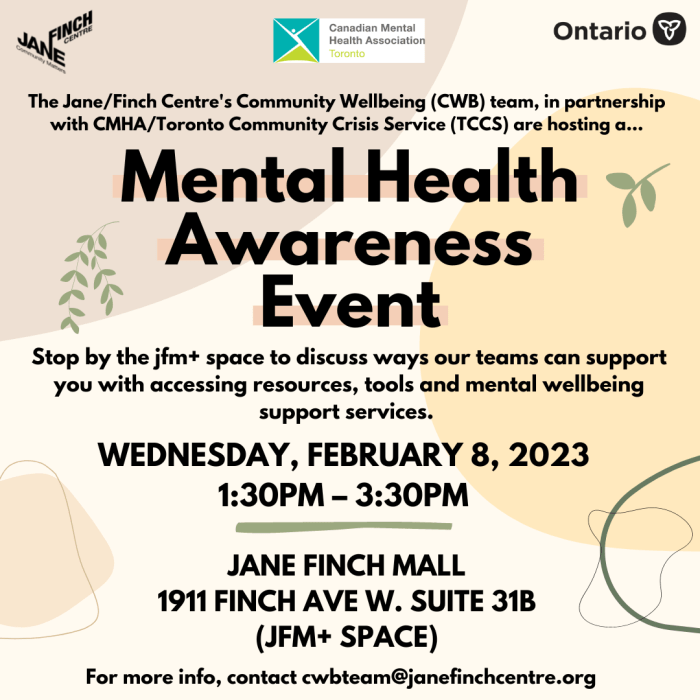
Health education plays a vital role in empowering communities to make informed decisions about their health. By providing individuals with knowledge and skills, health education can help prevent diseases, promote healthy behaviors, and improve overall well-being.
Significance of Health Education
- Raises awareness about the importance of preventive care and early detection of diseases.
- Empowers individuals to take control of their health and make informed lifestyle choices.
- Reduces healthcare costs by promoting healthy behaviors and preventing chronic conditions.
Effective Health Education Programs
- Community workshops on nutrition, exercise, and stress management.
- School-based programs teaching students about healthy eating habits and physical activity.
- Mobile health clinics providing screenings and education in underserved areas.
Strategies for Accessibility
- Offering health education materials in multiple languages to reach diverse populations.
- Utilizing digital platforms and social media to share health information with tech-savvy individuals.
- Partnering with local community organizations to host health education events in familiar settings.
Weight Management
Maintaining a healthy weight is crucial for overall health and well-being. Excess weight can lead to various health issues such as heart disease, diabetes, and joint problems. It is essential to adopt healthy weight management strategies to prevent these complications and improve quality of life.
Importance of Healthy Weight
Healthy weight management plays a key role in reducing the risk of chronic diseases and promoting longevity. By maintaining a healthy weight, individuals can enhance their energy levels, boost their self-esteem, and improve their overall mental and physical health.
Tips for Healthy Weight Management
- Focus on a balanced diet rich in fruits, vegetables, whole grains, and lean proteins.
- Avoid sugary beverages and opt for water or herbal teas instead.
- Incorporate regular physical activity into your routine, such as walking, jogging, or cycling.
- Practice portion control and mindful eating to prevent overeating.
- Get an adequate amount of sleep each night to support weight management and overall health.
Community Weight Management Programs
Community weight management programs play a significant role in supporting individuals to achieve their weight goals. These programs provide a supportive environment, accountability, and education on healthy lifestyle habits. By participating in community weight management programs, individuals can connect with others who share similar goals and receive guidance from health professionals.
Health Checkups
Regular health checkups play a crucial role in maintaining overall health and well-being. They help in early detection of health issues, allowing for timely intervention and treatment. Motivating community members to schedule routine health screenings is essential for promoting a healthier community and preventing potential health complications.
Importance of Regular Health Checkups
Regular health checkups are vital for early detection of diseases and conditions that may not present obvious symptoms. They can help in identifying risk factors and addressing them before they escalate into more serious health problems.
- Early detection of conditions such as high blood pressure, diabetes, and cancer can significantly improve treatment outcomes and overall prognosis.
- Preventive screenings can help in reducing healthcare costs in the long run by addressing health issues at an early stage.
- Regular checkups promote a proactive approach to health management, empowering individuals to take control of their well-being.
Tips for Motivating Community Members
Encouraging community members to prioritize their health by scheduling regular checkups can be achieved through various strategies:
- Organize health awareness campaigns highlighting the importance of preventive screenings and early detection.
- Offer incentives such as discounts or rewards for individuals who commit to regular health checkups.
- Provide easy access to healthcare facilities and resources for scheduling checkups, making the process convenient for community members.
Impact of Routine Health Screenings
Routine health screenings have a positive impact on the overall health of a community:
- Early detection through screenings leads to timely treatment, reducing the severity of health conditions and improving quality of life.
- Regular checkups contribute to better disease management and prevention, reducing the burden on healthcare systems.
- Community-wide participation in health screenings promotes a culture of health awareness and proactive healthcare practices.
Skin Health
Skin health plays a crucial role in our overall well-being, as it is the body’s largest organ and serves as a protective barrier against external elements. Maintaining healthy skin is essential for not only physical health but also mental well-being, as it can boost self-confidence and improve quality of life.
Importance of Skin Health
- Proper skin care helps prevent various skin conditions such as acne, eczema, and premature aging.
- Healthy skin contributes to a strong immune system and can aid in faster wound healing.
- Regular skincare routines can improve circulation and promote a youthful appearance.
Skincare Tips for Healthy Skin
- Stay hydrated by drinking plenty of water to keep skin moisturized from within.
- Protect your skin from sun damage by using sunscreen and wearing protective clothing.
- Cleanse your skin gently and moisturize daily to maintain its natural balance.
- Eat a balanced diet rich in fruits, vegetables, and essential nutrients to nourish your skin from the inside out.
Community Skincare Awareness Programs
- Community programs can educate individuals on the importance of skincare and provide access to resources for proper skin care.
- These programs can help raise awareness about common skin conditions and ways to prevent them through healthy habits.
- By promoting skin health in communities, the overall well-being of individuals can be improved, leading to a healthier population.
Emotional Health
Emotional health plays a crucial role in our overall well-being, affecting how we think, feel, and act in our daily lives. It is essential to address and promote emotional well-being in community settings to ensure individuals have the support they need to maintain good mental health.
The Significance of Emotional Health
Emotional health is interconnected with our physical health, influencing our ability to cope with stress, build relationships, and make decisions. Neglecting emotional health can lead to various mental health conditions such as anxiety, depression, and substance abuse. It is important to prioritize emotional well-being to lead a fulfilling and balanced life.
Strategies for Promoting Emotional Well-being
- Encourage open communication and destigmatize mental health discussions within the community.
- Provide access to mental health resources, such as therapy, support groups, and hotlines for individuals in need.
- Promote self-care practices, including mindfulness, relaxation techniques, and stress management strategies.
- Educate community members on the importance of seeking help when experiencing emotional distress.
Resources for Mental Health Support
- Local mental health clinics and counseling services
- Online mental health platforms and virtual therapy sessions
- Support groups for specific mental health conditions
- Crisis hotlines for immediate assistance
- Having a strong sense of motivation can help individuals overcome obstacles and setbacks that may arise along the way.
- It can boost self-confidence and belief in one’s ability to make healthy choices, leading to long-term success.
- Motivation can enhance overall well-being by fostering a positive mindset and a proactive approach to health.
- Set specific, achievable goals that are measurable and time-bound to track progress and celebrate milestones.
- Find a support system, whether it be friends, family, or a community group, to share successes and challenges with.
- Reward yourself for reaching milestones with non-food rewards like a spa day or a new workout outfit.
- Visualize the benefits of achieving your health goals to stay focused and motivated during challenging times.
- Stay informed and educated about the importance of health and wellness to maintain motivation and drive.
- Organizing group fitness challenges or virtual workouts to encourage community members to stay active and motivated together.
- Hosting wellness workshops or seminars led by health experts to provide valuable information and resources for staying motivated.
- Creating a buddy system where individuals can pair up to support and motivate each other on their health journeys.
- Implementing incentive programs that reward community members for participating in health-related activities or achieving milestones.
- Establishing a community garden or cooking classes to promote healthy eating habits and inspire motivation to cook nutritious meals.
- Improves cardiovascular health and reduces the risk of heart disease.
- Enhances muscle strength, flexibility, and endurance.
- Helps in managing and preventing chronic conditions such as diabetes and obesity.
- Boosts mood and reduces symptoms of anxiety and depression.
- Dance classes or Zumba sessions for a fun cardio workout.
- Outdoor activities like hiking, biking, or jogging in the park.
- Yoga or Pilates for improving flexibility and relaxation.
- Team sports such as soccer, basketball, or volleyball for social interaction and physical fitness.
- The “Movember” campaign, which raises awareness about men’s health issues such as prostate cancer and mental health.
- The “Pink Ribbon” campaign for breast cancer awareness, encouraging early detection and regular screenings.
- Utilize social media platforms to reach a wider audience and share informative content about health topics.
- Collaborate with local healthcare providers to organize workshops, seminars, and health fairs in the community.
- Encourage community leaders and influencers to advocate for health awareness and lead by example.
- Create engaging and interactive campaigns that make health information easily accessible and relatable to the public.
- Regular health check-ups can help detect potential health issues early on, allowing for timely intervention and treatment.
- Healthy lifestyle choices such as balanced nutrition, regular exercise, and stress management can prevent chronic diseases like diabetes, heart disease, and obesity.
- Vaccinations play a key role in preventing infectious diseases and protecting individuals and communities from outbreaks.
- Make time for regular physical activity, such as walking, jogging, or cycling, to maintain a healthy weight and reduce the risk of chronic diseases.
- Eat a well-balanced diet rich in fruits, vegetables, whole grains, and lean proteins to provide essential nutrients for overall health.
- Get an adequate amount of sleep each night to support your immune system and promote optimal health.
- Community preventive medicine programs can educate and empower individuals to make healthier choices, leading to a decrease in the prevalence of diseases within the community.
- These programs can provide access to preventive services, screenings, and vaccinations for underserved populations, improving overall public health outcomes.
- By fostering a culture of prevention and health promotion, community programs can create a supportive environment that encourages individuals to prioritize their health and well-being.
- Personalized Guidance: Nutritional counselors work closely with individuals to understand their unique needs and preferences, creating customized plans that promote long-term success.
- Educational Support: Counseling sessions offer valuable information on nutrition, helping individuals develop a better understanding of the impact of food choices on their overall health.
- Behavioral Changes: Counselors can help individuals establish healthy eating habits, overcome challenges, and make sustainable lifestyle changes for improved well-being.
- Health Management: Nutritional counseling can support individuals in managing chronic conditions, such as diabetes or heart disease, through targeted dietary strategies.
- Consult Healthcare Providers: Start by speaking with your primary care physician or a registered dietitian who can provide recommendations for reputable counselors or programs.
- Community Centers: Many community centers, health clinics, or local organizations offer nutritional counseling services either for free or at a reduced cost.
- Online Resources: Explore online platforms that provide virtual counseling sessions, making it convenient to access support from the comfort of your home.
- Health Insurance Coverage: Check if your health insurance plan covers nutritional counseling services, as this can help offset the costs of consultations.
- Research has shown that individuals with a positive mindset are more likely to engage in healthy behaviors such as regular exercise, balanced nutrition, and adequate sleep.
- A healthy mind can also contribute to better decision-making skills, problem-solving abilities, and resilience in the face of challenges.
- On the other hand, chronic stress, anxiety, or depression can have a negative impact on physical health, leading to conditions like high blood pressure, heart disease, and weakened immune function.
- Practice mindfulness: Engage in activities like meditation, deep breathing exercises, or yoga to cultivate awareness of the present moment and reduce negative thoughts.
- Set boundaries: Learn to say no to tasks or commitments that cause unnecessary stress and prioritize self-care activities that bring joy and relaxation.
- Connect with others: Build strong relationships with friends, family, or support groups to share feelings, seek advice, and receive emotional support during tough times.
- Therapy and counseling services: Seek professional help from psychologists, counselors, or therapists to address underlying mental health issues and develop coping strategies.
- Online mental health platforms: Explore websites, apps, or online communities that offer resources, tools, and information on mental wellness, self-care, and stress management.
- Support hotlines and helplines: Contact crisis intervention services or mental health hotlines for immediate assistance in times of emotional distress, suicidal thoughts, or mental health emergencies.
Health Motivation
Motivation plays a crucial role in achieving health goals as it provides the drive and determination needed to make positive changes in lifestyle habits. Without motivation, it can be challenging to stay committed to a health journey and make sustainable progress.
Importance of Motivation in Achieving Health Goals
Techniques for Staying Motivated on a Health Journey
Community Initiatives that Promote Health Motivation
Physical Activities
Regular physical activity plays a crucial role in maintaining overall health and well-being. It not only helps in managing weight but also reduces the risk of chronic diseases, improves mental health, and boosts energy levels.
Benefits of Regular Physical Activity
Fun and Engaging Physical Activities for All Age Groups
Impact of Community Fitness Events
Community fitness events play a significant role in promoting physical activity by bringing people together in a supportive and motivating environment. These events encourage individuals of all ages and fitness levels to participate, fostering a sense of community and camaraderie. Whether it’s a charity run, a group fitness class, or a sports tournament, community events inspire individuals to stay active and prioritize their health.
Health Awareness
Raising awareness plays a crucial role in preventing health issues by educating individuals about the importance of healthy habits and regular check-ups. It empowers communities to take proactive steps towards improving their overall well-being.
Examples of Successful Health Awareness Campaigns, How to promote health awareness in communities
Strategies for Promoting Health Awareness Effectively
Preventive Medicine: How To Promote Health Awareness In Communities
Preventive medicine plays a crucial role in reducing the burden of disease by focusing on preventing illnesses before they occur rather than treating them after they have already developed. By implementing preventive measures, individuals can take charge of their health and well-being, leading to a healthier and more active lifestyle.
Importance of Preventive Measures
Tips for Incorporating Preventive Measures
Impact of Community Preventive Medicine Programs
Nutritional Counseling
Nutritional counseling plays a crucial role in promoting healthy eating habits by providing individuals with personalized guidance and support to make informed choices about their diet and nutrition. This form of counseling involves assessing an individual’s dietary intake, identifying areas for improvement, and creating tailored nutrition plans to help achieve specific health goals.
Benefits of Nutritional Counseling
Accessing Nutritional Counseling Services
For those looking to access nutritional counseling services in community settings, here are some tips to consider:
Healthy Mind
Maintaining a healthy mind is essential for overall well-being as it directly impacts our mental, emotional, and physical health. A healthy mind can help in reducing stress, improving focus, enhancing relationships, and promoting a positive outlook on life.
Connection between a Healthy Mind and Overall Well-being
Strategies for Maintaining a Healthy Mind
Resources for Improving Mental Well-being
Q&A
How can community members actively participate in health awareness campaigns?
Community members can participate by spreading awareness through social media, organizing health-related events, and encouraging others to prioritize their well-being.
What are some effective ways to reach diverse community groups with health messages?
Utilizing culturally sensitive approaches, partnering with local community leaders, and translating materials into different languages can help reach diverse groups effectively.
Why is mental strength important in community well-being initiatives?
Mental strength plays a crucial role in overcoming challenges, building resilience, and maintaining overall well-being, making it essential for successful community health programs.

More Stories
Community-based health awareness initiatives: Empowering Communities for Better Health
Health checkups and fitness assessments: Ensuring Your Well-being
Community-based health education programs: Promoting Well-being and Empowering Communities