Community-based Health Education Programs
Community-based health education programs play a crucial role in promoting overall well-being within communities. By providing education and resources directly to individuals where they live, these programs can have a significant impact on improving health outcomes and empowering individuals to take control of their own health.
Examples of Successful Community-based Health Education Programs
- In the United States, the “Community Health Worker Program” has been successful in reaching underserved populations and providing culturally sensitive health education.
- In Bangladesh, the “Community Clinic Health Education Program” has led to improved maternal and child health outcomes by educating women on prenatal care and child nutrition.
- In Brazil, the “Family Health Strategy Program” has been effective in reducing the burden of chronic diseases by promoting healthy lifestyle choices and regular screenings within communities.
Challenges in Implementing and Sustaining Community-based Health Education Programs
- Lack of funding and resources to support ongoing education initiatives.
- Difficulty in engaging community members and maintaining their interest in health education programs.
- Limited access to healthcare professionals who can deliver accurate and culturally relevant health information.
Impact of Community-based Health Education Programs
Community-based health education programs have shown to have a positive impact on individuals and communities by:
- Increasing knowledge about preventive health measures and disease management.
- Empowering individuals to make informed decisions about their health and well-being.
- Reducing healthcare disparities and improving health outcomes among underserved populations.
Healthy Snacks
Incorporating healthy snacks into your daily diet is crucial for maintaining overall health and well-being. Healthy snacks provide essential nutrients, energy, and can help prevent overeating during main meals. By choosing nutritious snacks, you can boost your energy levels, improve concentration, and support your body’s immune system.
Creative and Nutritious Healthy Snack Ideas
- Apple slices with almond butter
- Greek yogurt with mixed berries
- Carrot sticks with hummus
- Air-popped popcorn with a sprinkle of nutritional yeast
- Cucumber slices with guacamole
Benefits of Replacing Unhealthy Snacks
Community-based health education programs – Replacing unhealthy snacks with nutritious alternatives can have a positive impact on your health in several ways. Nutrient-dense snacks can help regulate blood sugar levels, reduce cravings for junk food, and contribute to weight management. Additionally, healthy snacks can improve digestion, support heart health, and enhance overall cognitive function.
Tips for Choosing and Preparing Healthy Snacks at Home
- Aim for a balance of macronutrients – include protein, healthy fats, and carbohydrates in your snacks.
- Choose whole, minimally processed foods such as fruits, vegetables, nuts, seeds, and whole grains.
- Prepare snacks in advance to have them readily available when hunger strikes.
- Experiment with different flavor combinations and textures to keep your snacks interesting and satisfying.
- Avoid keeping unhealthy snacks in the house to reduce temptation and promote healthier choices.
Wellness Programs
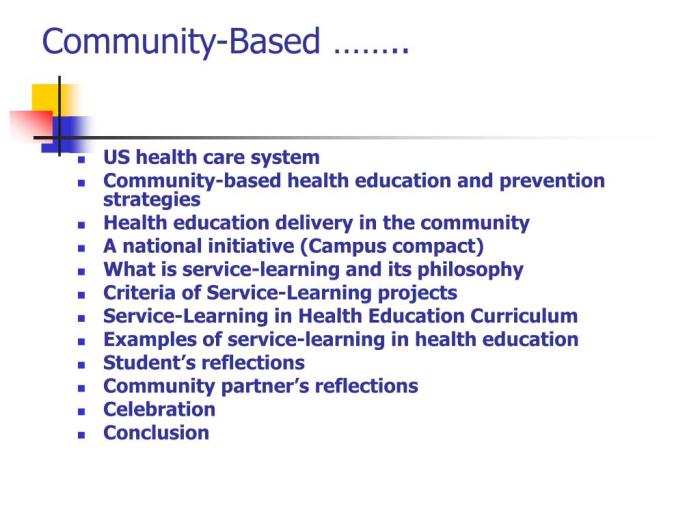
Wellness programs play a crucial role in promoting overall health and well-being by focusing on preventive measures and lifestyle changes. These programs aim to improve physical, mental, and emotional health through a variety of activities and resources.
Components of a Comprehensive Wellness Program
A comprehensive wellness program typically includes a range of components such as:
- Health screenings and assessments
- Physical fitness activities
- Nutritional counseling and education
- Mental health support services
- Stress management techniques
- Work-life balance programs
Comparison of Different Types of Wellness Programs
There are various types of wellness programs available in the market, each with its unique focus and approach. Some common types include:
- Corporate wellness programs offered by employers to improve employee health and productivity.
- Community-based wellness programs that target specific populations or neighborhoods.
- Online wellness platforms providing virtual resources and support for individuals.
- Fitness and nutrition programs tailored to meet specific health goals.
Role of Wellness Programs in Improving Productivity and Morale
Wellness programs have been shown to significantly impact employee productivity and morale by reducing absenteeism, increasing engagement, and fostering a positive work environment. When employees are healthier and happier, they are more motivated and productive in their roles.
Success Stories of Individuals Benefitting from Wellness Programs
Many individuals have experienced life-changing benefits from participating in wellness programs. For example, John, a corporate executive, improved his overall health and lost weight by engaging in a structured fitness and nutrition program offered by his company. Similarly, Sarah, a stay-at-home mom, found mental peace and balance through mindfulness and stress management techniques taught in a community-based wellness program.
Physical Therapy
Physical therapy plays a crucial role in rehabilitation and injury prevention by helping individuals restore and maintain movement and function. It is a key component of many treatment plans to address various musculoskeletal conditions and injuries.
Types of Physical Therapy Techniques
- Manual Therapy: Hands-on techniques such as massage and joint mobilization to reduce pain and improve mobility.
- Therapeutic Exercise: Customized exercises to strengthen muscles, improve flexibility, and enhance overall function.
- Modalities: The use of heat, ice, ultrasound, and electrical stimulation to reduce pain and inflammation.
Benefits of Physical Therapy
- Improves Range of Motion: Physical therapy helps increase flexibility and range of motion in joints.
- Enhances Strength: Through targeted exercises, individuals can build muscle strength and endurance.
- Pain Relief: Techniques such as manual therapy and modalities can help alleviate pain.
Role in Managing Chronic Conditions
Physical therapy is instrumental in managing chronic conditions like arthritis, chronic pain, and neurological disorders. It focuses on improving mobility, function, and quality of life for individuals living with these conditions.
Incorporating Physical Therapy into Daily Routine
- Follow the prescribed exercises and treatment plan provided by your physical therapist.
- Stay consistent with your appointments and home exercise program to see optimal results.
- Communicate any changes or concerns with your physical therapist to ensure the best possible outcome.
Health Coaching
Health coaching plays a crucial role in supporting individuals to achieve their health goals by providing personalized guidance, motivation, and accountability throughout their wellness journey.
Benefits of Health Coaching
- Empowers individuals to take control of their health and make sustainable lifestyle changes.
- Helps in setting realistic and achievable goals tailored to individual needs.
- Provides ongoing support, motivation, and encouragement to stay on track.
- Focuses on holistic well-being, including physical, mental, and emotional aspects of health.
Difference between Health Coaching and Traditional Medical Advice
- Health coaching emphasizes a partnership approach, focusing on the individual’s strengths and goals, while traditional medical advice is often directive and symptom-based.
- Health coaching addresses the root causes of health issues and promotes long-term behavior change, whereas medical advice may primarily target symptom management.
- Health coaching encourages self-discovery and self-empowerment, fostering a sense of ownership over one’s health decisions.
Tips for Finding a Qualified Health Coach
- Look for certifications from reputable organizations, such as the International Coach Federation (ICF) or National Board for Health and Wellness Coaching (NBHWC).
- Consider the coach’s experience, specialization, and approach to ensure alignment with your goals and values.
- Seek recommendations from trusted sources or read reviews/testimonials to gauge the coach’s effectiveness and rapport with clients.
- Schedule an initial consultation to discuss your needs, expectations, and the coach’s methodology before committing to a coaching program.
Medical Advancements
Medical advancements play a crucial role in shaping the landscape of healthcare and improving community health. These breakthroughs have revolutionized treatment options for various diseases, leading to better outcomes and increased quality of life for patients. Innovative medical technologies continue to pave the way for cutting-edge solutions that were once unimaginable. However, the adoption of these advancements also raises important ethical considerations that must be carefully navigated to ensure equitable access and responsible implementation.
Impact of Recent Medical Advancements
- Advancements in precision medicine have allowed for personalized treatment plans tailored to individual genetic makeup, leading to more targeted and effective therapies.
- The development of minimally invasive surgical techniques has reduced recovery times and post-operative complications, improving patient outcomes and overall satisfaction.
- Telemedicine and remote monitoring technologies have expanded access to healthcare services, especially in rural or underserved communities, enhancing the delivery of care.
Innovative Medical Technologies
- Artificial intelligence and machine learning algorithms are being utilized to analyze medical imaging and diagnostic data, aiding in early detection and accurate diagnosis of diseases.
- 3D printing technology is revolutionizing the production of customized medical implants, prosthetics, and tissue engineering, offering unique solutions for patient care.
- Robot-assisted surgeries allow for greater precision and control during complex procedures, reducing the risk of human error and improving surgical outcomes.
Ethical Considerations in Adopting New Medical Advancements
- Ensuring equitable access to advanced medical treatments and technologies to prevent widening health disparities within communities.
- Addressing concerns regarding data privacy and patient confidentiality in the era of digital health records and telemedicine platforms.
- Evaluating the potential risks and benefits of genetic testing and gene editing technologies to uphold ethical standards and avoid unintended consequences.
Fitness Goals
Setting realistic fitness goals is crucial for achieving long-term health benefits. It allows individuals to track their progress, stay motivated, and maintain a consistent routine. Here are some strategies to help you stay on track and reach your fitness goals successfully.
Importance of Setting Realistic Fitness Goals
- Start small: Break down your goals into manageable steps to avoid feeling overwhelmed.
- Be specific: Clearly define what you want to achieve and set measurable targets.
- Focus on consistency: Establish a routine that you can maintain over time.
- Celebrate milestones: Acknowledge and reward yourself for reaching smaller goals along the way.
Staying Motivated and Accountable
- Find a workout buddy: Partnering with someone can provide motivation and accountability.
- Track your progress: Keep a fitness journal or use apps to monitor your achievements.
- Reward yourself: Treat yourself to something special when you hit a major milestone.
- Join a fitness community: Engage with like-minded individuals to stay inspired and motivated.
Role of Community Support
- Community support plays a vital role in maintaining fitness goals by providing encouragement and accountability.
- Engage with local fitness groups or online communities to connect with others who share similar goals.
- Participate in group fitness classes or challenges to stay motivated and accountable.
Tracking Progress and Adjusting Goals
- Regularly assess your progress and adjust your goals based on your achievements and setbacks.
- Use fitness trackers or apps to monitor your activity levels, calorie intake, and overall progress.
- Consult with a fitness professional to create a personalized plan and make necessary adjustments.
Balanced Nutrition
Having a balanced diet is crucial for overall health and well-being. It involves consuming the right amount of nutrients to maintain proper bodily function and prevent health issues.
Components of a Balanced Diet
- Proteins: Essential for building and repairing tissues in the body.
- Carbohydrates: Provide energy for daily activities.
- Fats: Needed for absorption of certain vitamins and for cell growth.
- Vitamins and Minerals: Support various bodily functions and processes.
- Fiber: Aids in digestion and helps maintain a healthy weight.
Importance of Portion Control and Mindful Eating
Practicing portion control and mindful eating can help prevent overeating and promote better digestion. It also allows individuals to listen to their body’s hunger cues and avoid unnecessary snacking.
Meal Planning Tips for a Balanced Diet
- Include a variety of fruits, vegetables, whole grains, lean proteins, and healthy fats in your meals.
- Plan ahead and prepare meals in advance to avoid unhealthy food choices when rushed.
- Avoid skipping meals and aim for regular, balanced eating throughout the day.
Examples of Balanced Meals
Here are some examples of balanced meals for different dietary preferences and restrictions:
| Meal | Components |
|---|---|
| Vegetarian | Quinoa, roasted vegetables, chickpeas, and avocado salad |
| Pescatarian | Grilled salmon, brown rice, steamed broccoli, and mixed greens salad |
| Gluten-Free | Grilled chicken breast, quinoa, sautéed spinach, and sweet potato mash |
Mental Strength
In today’s fast-paced world, mental strength plays a crucial role in facing life’s challenges and obstacles. It involves resilience, toughness, and a positive mindset that helps individuals navigate through difficult situations with grace and determination.
Building Resilience
Building resilience is essential for developing mental strength. This involves accepting failures, learning from setbacks, and bouncing back stronger. Strategies such as practicing gratitude, staying connected with loved ones, and engaging in self-care activities can help individuals build resilience and overcome adversity.
Developing Mental Toughness
Mental toughness is about staying focused, determined, and motivated even in the face of adversity. Setting clear goals, staying disciplined, and cultivating a growth mindset are key aspects of developing mental toughness. By embracing challenges as opportunities for growth, individuals can enhance their mental strength and achieve their full potential.
Stories of Resilience, Community-based health education programs
There are countless inspiring stories of individuals who have demonstrated exceptional mental strength in the face of adversity. From athletes overcoming career-ending injuries to survivors of traumatic experiences rebuilding their lives, these stories serve as a reminder of the power of resilience and perseverance in challenging times.
Fostering a Positive Mindset
Fostering a positive mindset is crucial for maintaining good mental health. Simple practices such as mindfulness, positive affirmations, and engaging in activities that bring joy can help individuals cultivate a positive outlook on life. By focusing on the present moment and practicing self-compassion, individuals can improve their mental well-being and build resilience for the future.
Yoga Practice
Yoga is a holistic practice that combines physical postures, breathing exercises, and meditation to promote overall well-being. Incorporating yoga into a daily routine can have numerous benefits for both the body and mind.
Types of Yoga Practices and Their Effects
- Hatha Yoga: Focuses on physical postures and breath control, great for beginners and improving flexibility.
- Vinyasa Yoga: Involves flowing sequences of poses, promoting strength and cardiovascular health.
- Ashtanga Yoga: A more vigorous practice that follows a specific sequence of poses, enhancing stamina and focus.
- Yin Yoga: Targets deep connective tissues through passive stretching, aiding in relaxation and stress relief.
Beginner-Friendly Yoga Poses for Stress Relief
- Child’s Pose (Balasana): Helps to calm the mind and release tension in the back.
- Corpse Pose (Savasana): Promotes deep relaxation and reduces anxiety.
- Cat-Cow Stretch: Increases flexibility in the spine and relieves stress in the body.
Finding the Right Yoga Practice
It’s essential to explore different types of yoga to find the practice that best suits your needs and goals. Consider factors such as your fitness level, preferences, and any specific health concerns you may have. Whether you’re looking to improve flexibility, reduce stress, or enhance mental clarity, there’s a yoga practice out there for you.
Health Education
Health education plays a crucial role in empowering individuals to make informed decisions about their health. By providing knowledge and skills, health education enables people to take control of their well-being and adopt healthy behaviors.
Key Topics in Health Education Curriculum
- The importance of balanced nutrition and healthy eating habits
- Physical activity and exercise guidelines for overall fitness
- Mental health awareness and strategies for managing stress
- Prevention and management of chronic diseases such as diabetes and hypertension
- Sexual health education and reproductive health rights
Innovative Approaches to Delivering Health Education
- Utilizing technology such as mobile apps and online platforms for interactive learning
- Implementing peer-to-peer education programs within communities
- Incorporating gamification elements to make health education fun and engaging
- Collaborating with local influencers or celebrities to reach a wider audience
Successful Health Education Initiatives
- The “Healthy Kids, Healthy Future” program in schools promoting healthy eating and physical activity
- The “Mind Matters” campaign raising awareness about mental health and providing resources for support
- The “Wellness Wednesdays” workshops offering free health screenings and educational sessions in underserved communities
- The “Fit Families” program encouraging families to adopt healthier lifestyles together through group activities and support
Weight Management
Weight management is a crucial aspect of overall health and well-being. It involves maintaining a healthy weight through a combination of diet, exercise, and lifestyle choices. Effective weight management can help reduce the risk of chronic diseases and improve quality of life.
Factors Contributing to Weight Management
- Genetics: Some individuals may have a genetic predisposition to weight gain or obesity.
- Diet: Consuming a balanced diet rich in fruits, vegetables, lean proteins, and whole grains can support weight management.
- Physical Activity: Regular exercise and physical activity are essential for burning calories and maintaining a healthy weight.
- Metabolism: Metabolic rate can impact how efficiently the body burns calories.
Role of Diet, Exercise, and Lifestyle Changes
- Diet: Focus on portion control, nutrient-dense foods, and hydration to support weight loss goals.
- Exercise: Incorporate a mix of cardiovascular, strength training, and flexibility exercises for overall fitness.
- Lifestyle Changes: Stress management, quality sleep, and healthy habits play a role in sustainable weight management.
Setting Realistic Weight Loss Goals
- Set achievable and specific goals based on your individual needs and preferences.
- Track progress using a food diary, exercise log, or weight tracking app to stay accountable.
- Celebrate small victories and adjust goals as needed to stay motivated.
Strategies for Maintaining Weight Loss
- Continue healthy eating habits and regular exercise routines even after reaching your goal weight.
- Stay active and find enjoyable physical activities to stay fit and prevent weight regain.
- Seek support from friends, family, or a healthcare provider to stay on track with your weight management goals.
Health Checkups: Community-based Health Education Programs
Regular health checkups play a crucial role in preventive healthcare by helping individuals detect any potential health issues early on. These checkups can ultimately lead to better health outcomes and improved quality of life.
Importance of Regular Health Checkups
Health checkups are essential for maintaining overall well-being and catching any health problems before they escalate. By undergoing routine screenings and tests, individuals can address any issues promptly and prevent the development of serious conditions.
Key Screenings and Tests
- Blood pressure measurement
- Cholesterol levels
- Blood sugar levels
- Body mass index (BMI) calculation
- Colorectal cancer screening
- Mammograms for women
- Prostate cancer screening for men
Frequency of Health Checkups
The frequency of health checkups may vary based on age and individual health status. Generally, adults should undergo an annual physical exam. However, specific screenings may be recommended more frequently depending on risk factors or existing conditions.
Tips for Preparation and Communication
- Make a list of any symptoms or concerns to discuss with your healthcare provider.
- Bring a list of current medications, including supplements.
- Be honest and open about your lifestyle habits, such as diet, exercise, and smoking.
- Ask questions if you do not understand something during the checkup.
Skin Health
Proper skincare routines are essential for maintaining healthy skin. Our skin is the body’s largest organ and plays a crucial role in protecting us from external elements. By taking care of our skin, we can prevent various skin issues and conditions, keeping it radiant and youthful.
Common Skin Issues and Conditions
- Acne: A common skin condition caused by clogged pores and excess oil production. Prevention includes regular cleansing and using non-comedogenic products. Treatment methods may include topical creams or medications prescribed by a dermatologist.
- Eczema: A chronic skin condition characterized by red, itchy, and inflamed skin. Prevention involves avoiding triggers such as certain fabrics or harsh chemicals. Treatment includes moisturizing the skin and using prescribed medications.
- Sun Damage: Overexposure to the sun can lead to premature aging, sunburn, and skin cancer. Prevention includes wearing sunscreen, seeking shade, and wearing protective clothing. Treatment may involve topical creams or procedures like laser therapy.
Choosing Skincare Products
- Know Your Skin Type: Understanding whether you have dry, oily, combination, or sensitive skin can help you choose products tailored to your specific needs.
- Read Labels: Look for products with gentle ingredients, avoiding harsh chemicals that can irritate the skin.
- Patch Test: Before using a new product, do a patch test on a small area of skin to check for any adverse reactions.
Impact of Lifestyle Factors
- Diet: Consuming a balanced diet rich in fruits, vegetables, and antioxidants can promote healthy skin. Drinking plenty of water is also crucial for hydration.
- Stress: High levels of stress can lead to skin issues like acne and eczema. Practicing relaxation techniques such as yoga or meditation can help improve skin health.
- Sleep: Getting an adequate amount of sleep is vital for skin repair and regeneration. Lack of sleep can contribute to dull skin and dark circles.
Emotional Health
Emotional health plays a crucial role in our overall well-being, impacting our physical health, relationships, and daily functioning. It involves being aware of and managing our emotions in a healthy way, which can lead to improved quality of life.
Strategies for Managing Emotional Challenges
- Practice mindfulness and deep breathing exercises to help reduce stress and anxiety.
- Engage in regular physical activity to release endorphins and boost mood.
- Seek social support from friends, family, or a support group to talk about your feelings.
- Set boundaries and prioritize self-care to avoid burnout and overwhelm.
Coping Mechanisms for Improving Emotional Resilience
- Develop a daily routine that includes activities you enjoy and that help you relax.
- Practice gratitude and positive thinking to shift your perspective on challenging situations.
- Engage in hobbies or creative outlets to express emotions and relieve stress.
- Consider therapy or counseling to work through deeper emotional issues with a professional.
Resources for Seeking Professional Help
If you are struggling with emotional health issues and need professional support, there are resources available to help you. You can reach out to:
- Therapists or counselors in your area for individual or group therapy sessions.
- Mental health hotlines for immediate support and guidance in times of crisis.
- Online therapy platforms for convenient access to virtual counseling sessions.
- Support groups or community organizations that focus on mental health and well-being.
Health Motivation
Maintaining healthy habits and making lifestyle changes can be challenging, but motivation plays a crucial role in staying committed to your health goals. Whether it’s eating well, exercising regularly, or managing stress, finding motivation is key to achieving long-term success.
Role of Motivation in Health
Motivation serves as the driving force behind our actions and decisions when it comes to health. It helps us stay focused, overcome obstacles, and make positive choices that benefit our overall well-being. Without motivation, it can be difficult to maintain healthy habits and stay on track with our health goals.
Strategies for Finding Motivation
- Set specific, achievable goals that are meaningful to you.
- Find inspiration from role models or success stories.
- Reward yourself for reaching milestones along the way.
- Surround yourself with a supportive community or accountability partner.
- Visualize your success and remind yourself of the benefits of staying motivated.
Success Stories of Health Motivation
- Emily, who lost 50 pounds by staying motivated and consistent with her workout routine.
- Mark, who improved his cholesterol levels by making small, sustainable changes to his diet.
- Sarah, who overcame her anxiety through regular meditation and mindfulness practices.
Tips for Overcoming Motivation Slumps
- Revisit your goals and remind yourself why they are important to you.
- Change up your routine to keep things fresh and exciting.
- Celebrate small victories and progress, no matter how minor.
- Seek support from friends, family, or a health coach to help you stay on track.
- Practice self-care and prioritize your well-being to boost your motivation levels.
Physical Activities
Regular physical activity is essential for maintaining both physical and mental health. Engaging in physical activities can help improve cardiovascular health, strengthen muscles and bones, boost immunity, reduce the risk of chronic diseases, and enhance overall well-being. Exercise also plays a crucial role in reducing stress, anxiety, and depression, promoting better sleep, and increasing energy levels.
Types of Physical Activities
- Cardiovascular exercises such as walking, running, cycling, swimming, and dancing
- Strength training with weights, resistance bands, or bodyweight exercises
- Flexibility and balance exercises like yoga, Pilates, and tai chi
- High-intensity interval training (HIIT) for a more intense workout
Incorporating Physical Activities
- Take the stairs instead of the elevator
- Go for a walk during your lunch break
- Join group fitness classes or sports leagues
- Set reminders to stretch or take short activity breaks throughout the day
Fitness Goals and Balanced Routine
Setting realistic fitness goals is important to stay motivated and track progress. Start gradually and gradually increase the intensity and duration of your workouts. Incorporate a variety of exercises to target different muscle groups and prevent boredom. Remember to include rest days in your routine to allow your body to recover and prevent injuries.
Health Awareness
Raising awareness about various health issues in communities plays a crucial role in promoting overall well-being and preventing diseases. By educating individuals about the importance of healthy lifestyle choices and regular check-ups, we can empower them to take control of their health.
Impact of Health Awareness Campaigns
- Health awareness campaigns have been shown to significantly increase knowledge about preventive healthcare behaviors such as proper nutrition, regular exercise, and early detection of health conditions.
- These campaigns help individuals recognize the signs and symptoms of common illnesses, leading to early intervention and improved health outcomes.
- By promoting awareness about mental health issues, stigma surrounding mental illness can be reduced, encouraging individuals to seek help and support.
Successful Health Awareness Initiatives
- The “Know Your Numbers” campaign, which educates individuals about the importance of monitoring blood pressure, cholesterol levels, and blood sugar, has led to a decrease in cardiovascular diseases.
- The “Breast Cancer Awareness Month” initiative has increased early detection rates and improved survival rates among women diagnosed with breast cancer.
- Community-based programs that offer free health screenings and educational workshops have empowered individuals to make informed decisions about their health.
Tips for Spreading Health Awareness
- Organize health fairs or workshops in your community to provide information on various health topics.
- Use social media platforms to share health tips, resources, and success stories to reach a wider audience.
- Volunteer with local organizations or healthcare providers to support health education initiatives in your community.
Preventive Medicine
Preventive medicine focuses on identifying and addressing risk factors to prevent the onset of diseases before they occur. By promoting healthy behaviors and regular screenings, preventive medicine plays a crucial role in reducing the burden of disease and improving overall health outcomes.
Benefits of Preventive Healthcare Measures
- Prevents the development of chronic conditions such as diabetes, heart disease, and certain types of cancer.
- Reduces healthcare costs by avoiding expensive treatments for advanced stages of diseases.
- Improves quality of life by promoting early detection and intervention for potential health issues.
- Increases life expectancy by maintaining optimal health and wellness throughout the lifespan.
Examples of Preventive Medicine Strategies
- Community-based health education programs focusing on lifestyle modifications and early disease detection.
- Vaccination programs targeting infectious diseases to prevent outbreaks and protect public health.
- Regular health screenings for conditions such as high blood pressure, cholesterol levels, and cancer.
- Promotion of healthy behaviors such as physical activity, balanced nutrition, and stress management.
Tips for Incorporating Preventive Healthcare Practices
- Schedule routine medical check-ups and screenings based on age, gender, and family history.
- Engage in regular physical activity such as walking, jogging, or yoga to maintain cardiovascular health.
- Adopt a balanced diet rich in fruits, vegetables, whole grains, and lean proteins to support overall well-being.
- Manage stress through mindfulness practices, relaxation techniques, and adequate sleep for mental and emotional health.
Nutritional Counseling
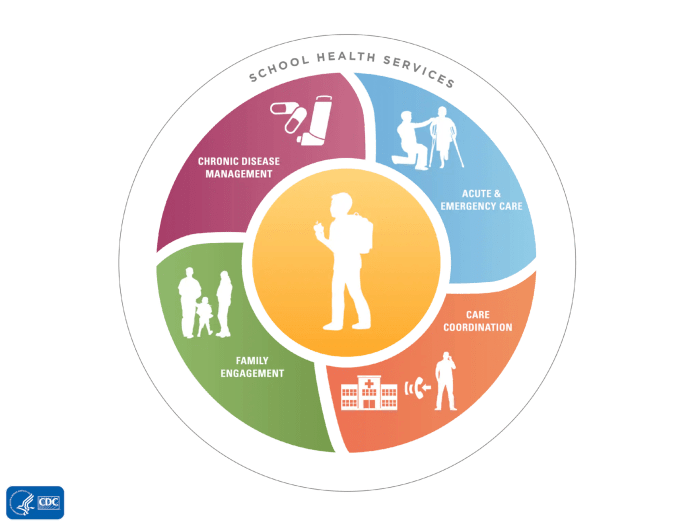
Nutritional counseling plays a crucial role in supporting individuals to make healthy food choices by providing personalized guidance and education on proper nutrition. It involves assessing an individual’s dietary habits, creating tailored meal plans, and offering ongoing support to help them achieve their health goals.
Benefits of Nutritional Counseling
- Helps individuals understand their nutritional needs and how to meet them through balanced meals.
- Educates on portion control, food choices, and the importance of nutrients for overall health.
- Aids in weight management by setting realistic goals and monitoring progress.
- Addresses specific health concerns such as diabetes, heart disease, or food allergies through specialized dietary recommendations.
Finding a Qualified Nutrition Counselor
- Look for registered dietitians or nutritionists with formal education and certifications in the field.
- Check for experience working with clients similar to your needs and goals.
- A reputable nutrition counselor will offer personalized guidance, support, and evidence-based recommendations.
- Consider seeking referrals from healthcare providers or trusted sources for recommendations.
Impact of Nutritional Counseling on Long-term Health
Nutritional counseling can have a significant impact on long-term health and well-being by promoting sustainable changes in dietary habits. By learning how to make informed food choices, individuals can improve their overall health, manage chronic conditions, and reduce the risk of developing lifestyle-related diseases. The guidance provided by a nutrition counselor can empower individuals to take control of their health and adopt healthier eating patterns for a lifetime.
Healthy Mind
Having a healthy mind is crucial for overall well-being and quality of life. It plays a significant role in shaping our thoughts, emotions, and behaviors, ultimately impacting our physical health and daily functioning.
Importance of Mental Well-being
Mental well-being is essential for maintaining a balanced and fulfilling life. It affects how we cope with stress, relate to others, and make decisions. Poor mental health can lead to various physical health issues, including cardiovascular diseases, weakened immune system, and chronic pain.
Connection Between Healthy Mind and Physical Health
A healthy mind is closely linked to physical health outcomes. When we prioritize our mental well-being through mindfulness practices, stress management techniques, and self-care activities, we can reduce the risk of developing chronic conditions and improve our overall quality of life.
Strategies for Maintaining a Healthy Mind
- Practice mindfulness and meditation to stay present and reduce anxiety.
- Engage in regular physical activity to boost mood and reduce stress.
- Connect with others, build strong relationships, and seek social support when needed.
- Set boundaries, prioritize self-care, and engage in activities that bring joy and relaxation.
Resources for Improving Mental Well-being
For individuals seeking to enhance their mental well-being and emotional resilience, there are various resources available:
- Therapy and counseling services
- Support groups and community organizations
- Online mental health resources and apps
- Books, podcasts, and workshops on mental health topics
Essential FAQs
How do community-based health education programs benefit individuals?
Community-based health education programs provide individuals with access to valuable health information, resources, and support, leading to improved well-being and health outcomes.
What are some key challenges in sustaining community-based health education programs?
Challenges in sustaining these programs may include funding limitations, community engagement issues, and ensuring long-term participation and impact.
How can communities contribute to the success of health education initiatives?
Communities can contribute by actively participating in programs, spreading awareness, and advocating for the importance of health education within their neighborhoods.


More Stories
Community-based health awareness initiatives: Empowering Communities for Better Health
How to promote health awareness in communities: A Guide to Community Well-being
Health checkups and fitness assessments: Ensuring Your Well-being