Community-based Health Awareness Initiatives
Community-based health awareness initiatives are programs or campaigns that aim to educate and inform individuals within a specific community about various health issues, preventive measures, and available resources. These initiatives are typically organized and implemented by local community members, health organizations, or non-profit groups to address specific health concerns that affect the community.
Examples of Successful Community-based Health Awareness Initiatives
- The “Healthy Cities” program in Brazil, which focused on promoting healthy lifestyles, disease prevention, and access to healthcare services within urban communities.
- The “Breast Cancer Awareness Walk” organized by a local women’s group in the United States, which aimed to raise awareness about early detection and treatment of breast cancer.
- The “Clean Water Campaign” in a rural village in India, which educated community members about the importance of clean water for preventing water-borne diseases.
The Importance of Involving Communities in Health Awareness Programs
Community involvement in health awareness programs is crucial as it helps create a sense of ownership and empowerment among community members. When individuals are actively engaged in the planning and implementation of health initiatives, they are more likely to participate, adhere to recommendations, and spread awareness within their social networks. Additionally, community-based approaches can help address specific cultural beliefs, social norms, and barriers to healthcare access that may be unique to a particular community.
Healthy Snacks
When it comes to maintaining overall health, incorporating healthy snacks into your diet plays a crucial role. These snacks provide essential nutrients, energy, and can help manage hunger between meals.
Nutritious and Delicious Snack Options
- Fresh fruits like apples, bananas, and berries
- Vegetable sticks with hummus or guacamole
- Plain Greek yogurt with nuts and seeds
- A handful of almonds or walnuts
- Rice cakes with almond butter and sliced strawberries
Tips on How to Prepare and Store Healthy Snacks
- Pre-cut fruits and vegetables and store them in portion-sized containers for easy grab-and-go options.
- Prepare homemade trail mix with nuts, seeds, and dried fruits and portion them into small bags for quick snacks.
- Bake a batch of whole grain muffins or energy bars over the weekend and store them in the fridge or freezer for later use.
- Opt for air-popped popcorn seasoned with herbs or spices instead of store-bought chips for a healthier alternative.
Wellness Programs
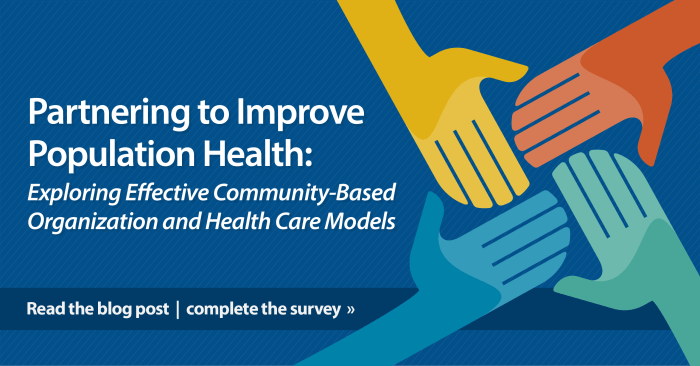
Community-based health awareness initiatives – Wellness programs are initiatives designed to promote overall health and well-being among individuals. These programs focus on preventive measures, lifestyle modifications, and education to empower individuals to make healthier choices.
Types of Wellness Programs
There are various types of wellness programs available to cater to different needs and preferences. Some common types include:
- Physical Wellness Programs: These programs focus on promoting physical activity, exercise, and proper nutrition to improve fitness levels and overall health.
- Mental Health and Resilience Programs: These programs aim to enhance mental well-being, reduce stress, and build resilience through mindfulness practices, counseling, and stress management techniques.
- Workplace Wellness Programs: These programs are implemented in the workplace to improve employee health, productivity, and morale through activities such as fitness challenges, health screenings, and ergonomic assessments.
- Community-based Wellness Programs: These programs engage the community in promoting health and wellness through events, workshops, and resources accessible to all members.
Impact of Wellness Programs on Community Health
Wellness programs play a crucial role in improving community health by:
- Empowering individuals to take control of their health and make informed decisions.
- Reducing the risk of chronic diseases through preventive measures and healthy lifestyle habits.
- Fostering a sense of community and support among participants, leading to improved mental well-being and social connections.
- Promoting overall well-being and quality of life, resulting in a healthier and happier community.
Physical Therapy
Physical therapy plays a crucial role in rehabilitation and recovery by helping individuals regain strength, mobility, and function following an injury, surgery, or illness. It focuses on improving physical movement and overall well-being through specialized exercises and techniques.
Common Techniques Used in Physical Therapy Sessions
- Therapeutic exercises: Customized exercises designed to improve strength, flexibility, endurance, and balance.
- Manual therapy: Hands-on techniques such as massage and joint mobilization to reduce pain and improve mobility.
- Electrical stimulation: Use of electrical currents to stimulate muscles and reduce pain.
- Ultrasound therapy: Application of high-frequency sound waves to promote healing and reduce inflammation.
- Heat and cold therapy: Application of heat or cold to alleviate pain, reduce swelling, and improve circulation.
How Physical Therapy Contributes to Overall Well-being
- Improves mobility and function: Physical therapy helps individuals regain movement and function, enabling them to perform daily activities with ease.
- Manages pain: Techniques used in physical therapy help reduce pain and discomfort, improving overall quality of life.
- Prevents further injury: By strengthening muscles and improving flexibility, physical therapy helps prevent future injuries.
- Enhances mental health: Physical activity and movement involved in therapy sessions can boost mood and reduce stress and anxiety.
- Promotes independence: Through personalized treatment plans, physical therapy empowers individuals to take control of their health and well-being.
Health Coaching
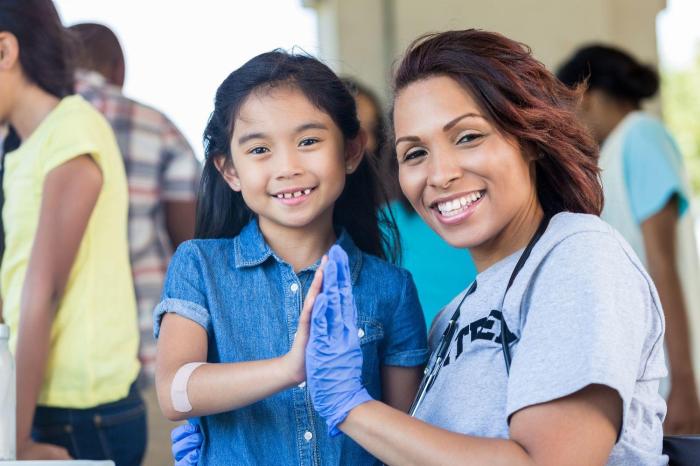
A health coach plays a crucial role in guiding individuals towards making better health choices by providing personalized support, education, and accountability. They work with clients to set achievable goals, create action plans, and motivate them to make sustainable lifestyle changes.
Benefits of Working with a Health Coach
- Personalized Guidance: Health coaches tailor their advice and strategies to meet the specific needs and preferences of each client.
- Accountability: Having regular check-ins with a health coach helps clients stay on track and motivated to reach their health goals.
- Education: Health coaches provide valuable information on nutrition, exercise, stress management, and other health-related topics to empower clients to make informed decisions.
- Support: Clients receive emotional support and encouragement from their health coach, helping them overcome challenges and setbacks along the way.
Strategies Used by Health Coaches to Motivate Clients
- Setting SMART Goals: Health coaches help clients set Specific, Measurable, Achievable, Relevant, and Time-bound goals to keep them focused and motivated.
- Positive Reinforcement: Health coaches use positive feedback and encouragement to celebrate small victories and progress towards larger goals.
- Creating Action Plans: Health coaches assist clients in developing realistic action plans that Artikel steps to take towards achieving their health objectives.
- Building Confidence: Health coaches help clients build self-confidence and belief in their ability to make lasting changes for better health.
Medical Advancements
Medical advancements play a crucial role in improving health outcomes and transforming healthcare delivery. These innovations have significantly benefited community health initiatives by enhancing prevention, diagnosis, treatment, and overall patient care.
Impact of Technology on Healthcare Delivery
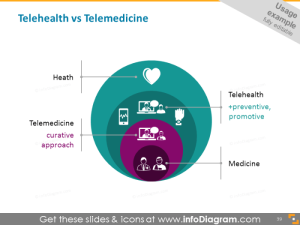
- Telemedicine: Technology has enabled remote consultations, monitoring, and follow-ups, increasing access to healthcare services for individuals in remote or underserved areas.
- Electronic Health Records (EHR): Digital records facilitate efficient information sharing among healthcare providers, improving coordination of care and reducing medical errors.
- Medical Wearables: Devices like fitness trackers and smartwatches allow individuals to monitor their health metrics in real-time, promoting proactive health management.
Advancements in Medicine for Improved Health Outcomes
- Precision Medicine: Tailoring treatment plans based on an individual’s genetic makeup and specific health needs has led to more personalized and effective care.
- Immunotherapy: Revolutionary cancer treatments harness the body’s immune system to target and destroy cancer cells, offering new hope for patients with previously untreatable cancers.
- Minimally Invasive Surgery: Techniques like robotic-assisted surgery reduce recovery times, complications, and scarring compared to traditional open surgeries.
Fitness Goals
Setting fitness goals is crucial for overall health as it helps individuals stay motivated, track progress, and maintain consistency in their workout routines. By establishing clear objectives, people can work towards improving their physical fitness, strength, endurance, and overall well-being.
Importance of Setting Realistic Fitness Goals
- Start by assessing your current fitness level and identifying areas you want to improve.
- Set specific, measurable, attainable, relevant, and time-bound (SMART) goals to ensure they are realistic and achievable.
- Break down larger goals into smaller milestones to track progress and stay motivated.
- Consider seeking guidance from fitness professionals or health coaches to help you set appropriate goals based on your individual needs and capabilities.
Role of Community Support in Achieving Fitness Goals
- Join group fitness classes or workout sessions to stay motivated and accountable.
- Participate in community fitness challenges or events to engage with like-minded individuals and receive support and encouragement.
- Share your progress and setbacks with friends, family, or online fitness communities to stay connected and motivated.
- Consider partnering with a workout buddy or accountability partner to keep each other on track and motivated towards achieving fitness goals.
Balanced Nutrition
Balanced nutrition is essential for maintaining good health and overall well-being. It involves consuming a variety of foods in the right proportions to provide the necessary nutrients that the body needs to function properly.
Importance of Balanced Nutrition
Eating a well-balanced diet can help prevent chronic diseases, improve energy levels, support a healthy weight, and boost the immune system. It provides the body with essential vitamins, minerals, protein, carbohydrates, and fats that are needed for optimal health.
- Include a variety of colorful fruits and vegetables in your meals to ensure you get a range of vitamins and minerals.
- Incorporate lean protein sources such as poultry, fish, beans, and nuts to support muscle growth and repair.
- Choose whole grains like brown rice, quinoa, and whole wheat bread for sustained energy and fiber.
- Limit processed foods high in added sugars, unhealthy fats, and sodium, as they can contribute to health issues.
Remember, balance is key when it comes to nutrition. Aim to include a mix of different food groups in each meal to ensure you’re meeting your body’s needs.
Impact of Balanced Nutrition on Health
Consuming a well-balanced diet can have a positive impact on overall health and well-being. It can help reduce the risk of developing chronic conditions such as heart disease, diabetes, and obesity. Additionally, balanced nutrition can improve digestion, support mental clarity, and enhance physical performance.
- Proper nutrition can improve mood and reduce feelings of fatigue and lethargy.
- A well-balanced diet can promote healthy skin, hair, and nails due to the intake of essential nutrients.
- Good nutrition supports the body’s ability to fight off infections and illnesses by strengthening the immune system.
Mental Strength
Mental strength is the ability to effectively cope with challenges, stress, and adversity. It involves resilience, emotional intelligence, and the ability to maintain a positive outlook even in difficult situations.
Strategies for Improving Mental Strength
Here are some strategies to enhance mental strength and cope with challenges:
- Practice mindfulness and meditation to manage stress and stay present.
- Develop a growth mindset by embracing challenges and learning from failures.
- Build a strong support network of friends and family for emotional support.
- Set realistic goals and break them down into manageable steps for a sense of achievement.
- Engage in activities that bring joy and relaxation, such as hobbies or exercise.
Relationship Between Mental Strength and Overall Health
Mental strength plays a crucial role in overall health and well-being. A resilient mindset can help individuals handle physical health challenges, recover from illnesses faster, and maintain a positive outlook on life. Research has shown that individuals with strong mental strength are less likely to experience mental health issues like anxiety and depression, leading to improved overall health outcomes.
Yoga Practice
Yoga is a holistic practice that offers numerous benefits for both physical and mental health. It combines breathing exercises, meditation, and various poses to promote overall well-being.
Regular practice of yoga can help improve flexibility, strength, and balance. It also aids in reducing stress, anxiety, and depression. Additionally, yoga can enhance mindfulness and focus, leading to a calmer and more centered mind.
Popular Yoga Poses and Benefits
- Downward-Facing Dog (Adho Mukha Svanasana): This pose stretches the entire body, including the shoulders, hamstrings, calves, and arches. It helps relieve stress, energizes the body, and improves circulation.
- Warrior II (Virabhadrasana II): Warrior II strengthens the legs, opens the hips, and improves balance. It also enhances concentration and focus, promoting a sense of inner strength.
- Tree Pose (Vrikshasana): By practicing Tree Pose, individuals can improve balance, stability, and concentration. It also helps in strengthening the legs and toning the abdominal muscles.
Incorporating Yoga in Community-based Health Initiatives
Yoga can be easily incorporated into community-based health initiatives to promote overall wellness among participants. Offering free or low-cost yoga classes in community centers or parks can encourage individuals to engage in physical activity and relaxation techniques.
By including yoga in health awareness programs, communities can provide a holistic approach to wellness that addresses both physical and mental health needs. Yoga sessions can also help build a sense of community and support among participants, fostering a positive environment for healthy living.
Health Education
Health education plays a crucial role in promoting well-being by empowering individuals and communities with the knowledge and skills needed to make informed decisions about their health. It serves as a preventive measure that helps reduce the risk of diseases and promotes overall wellness.
Importance of Health Education
- Health education raises awareness about the importance of leading a healthy lifestyle, including balanced nutrition, regular physical activity, and stress management.
- It helps individuals understand the risk factors associated with certain diseases and encourages them to adopt preventive measures.
- By promoting health literacy, education empowers individuals to navigate the healthcare system effectively and advocate for their own health needs.
- Health education fosters a culture of health within communities, encouraging collective efforts towards improving overall well-being.
Methods for Delivering Health Education
- Community workshops and seminars provide interactive platforms for sharing information and engaging participants in discussions about health-related topics.
- Social media campaigns and online resources reach a wider audience and make health information more accessible to individuals of all ages.
- Collaboration with local healthcare providers and organizations helps tailor health education initiatives to the specific needs and concerns of the community.
- School-based programs integrate health education into the curriculum, ensuring that children and adolescents develop essential health knowledge from an early age.
Role of Health Education in Preventive Healthcare
- Health education empowers individuals to take proactive steps towards preventing diseases through lifestyle modifications and early detection.
- By promoting regular health screenings and check-ups, education plays a vital role in detecting health issues at an early stage when they are most treatable.
- Education on vaccination and immunization helps increase immunization rates, reducing the prevalence of vaccine-preventable diseases within communities.
- Health education advocates for policy changes and community initiatives that support preventive healthcare measures and promote a healthier environment for all.
Weight Management
Weight management plays a crucial role in maintaining good health by reducing the risk of chronic diseases such as diabetes, heart disease, and obesity. It involves achieving and maintaining a healthy weight through a combination of balanced nutrition, regular physical activity, and lifestyle modifications.
Significance of Weight Management
Effective weight management is essential for overall well-being as it helps in improving energy levels, reducing the strain on joints, and enhancing mental health. Maintaining a healthy weight also lowers the risk of developing various health conditions.
Strategies for Achieving and Maintaining a Healthy Weight
- Focus on consuming whole foods such as fruits, vegetables, lean proteins, and whole grains.
- Practice portion control and mindful eating to avoid overeating.
- Incorporate regular physical activity into your routine, such as cardio exercises, strength training, and flexibility workouts.
- Stay hydrated by drinking an adequate amount of water throughout the day.
- Aim for quality sleep to support weight management and overall health.
Community-Based Weight Management Programs
Several community-based weight management programs offer support, education, and resources to individuals looking to achieve and maintain a healthy weight. These programs may include group fitness classes, nutritional counseling, cooking workshops, and peer support groups. Examples of such programs include Weight Watchers, YMCA’s Weight Loss Program, and community health centers offering weight management workshops.
Health Checkups
Regular health checkups are essential for maintaining overall health and well-being. They play a crucial role in early detection of health issues, allowing for timely intervention and treatment. Health checkups also help in monitoring any existing health conditions and assessing the effectiveness of current health management strategies.
Guidelines for Different Age Groups
- Children and Adolescents: It is recommended for children to undergo annual checkups to monitor growth and development, as well as to ensure timely vaccinations. Adolescents may require additional screenings for issues like obesity and mental health.
- Adults (18-64 years): Adults should have a comprehensive health checkup every 1-3 years, depending on their risk factors and medical history. Regular screenings for conditions like high blood pressure, cholesterol, and diabetes are crucial.
- Elderly (65+ years): For older adults, annual health checkups are recommended to monitor age-related conditions like osteoporosis, cognitive decline, and cardiovascular issues. Additional screenings for cancer and vision/hearing problems may also be necessary.
Role in Preventive Healthcare
Health checkups play a vital role in preventive healthcare by identifying potential health risks before they escalate into serious conditions. They enable healthcare providers to offer personalized advice on lifestyle modifications, early interventions, and preventive measures. By staying proactive with regular checkups, individuals can take control of their health and well-being, leading to a better quality of life.
Skin Health
Maintaining healthy skin is essential for overall health and well-being. Our skin serves as a protective barrier against harmful elements in the environment and plays a crucial role in regulating body temperature. It is important to take care of our skin to prevent various skin conditions and maintain a youthful appearance.
Importance of Skincare
Proper skincare not only enhances our physical appearance but also promotes self-confidence and mental well-being. Healthy skin is a reflection of good overall health, indicating proper hydration, nutrition, and lifestyle habits. By taking care of our skin, we can prevent premature aging, reduce the risk of skin infections, and improve skin texture and tone.
Tips for Healthy Skin
- Stay hydrated by drinking an adequate amount of water daily.
- Follow a consistent skincare routine with gentle cleansers and moisturizers.
- Protect your skin from harmful UV rays by using sunscreen daily.
- Eat a balanced diet rich in fruits, vegetables, and lean proteins.
- Avoid smoking and limit alcohol consumption to maintain healthy skin.
Community-based Skincare Initiatives
Community-based skincare initiatives play a vital role in promoting skin health among individuals. These initiatives often focus on educating the community about proper skincare routines, the importance of sun protection, and the benefits of a healthy lifestyle on skin health. By engaging in community programs, individuals can access resources, support, and guidance to improve their skincare habits and overall well-being.
Emotional Health
Emotional health plays a crucial role in our overall well-being, affecting our mental, physical, and social health. It involves the ability to manage stress, cope with challenges, build healthy relationships, and have a positive outlook on life.
Strategies for Improving Emotional Health and Managing Stress
- Practice mindfulness and relaxation techniques such as deep breathing, meditation, or yoga.
- Engage in regular physical activity to release endorphins and reduce stress levels.
- Build a strong support system by connecting with friends, family, or a therapist.
- Set boundaries to protect your emotional well-being and prioritize self-care.
- Express your emotions through journaling, art, or talking to someone you trust.
Role of Community Support in Promoting Emotional Well-being
Community support plays a vital role in promoting emotional well-being by providing a sense of belonging, connection, and resources for individuals to access help when needed. Whether through support groups, community events, or mental health services, having a supportive community can positively impact one’s emotional health and overall quality of life.
Health Motivation
Maintaining a healthy lifestyle requires consistent motivation to make positive choices for your well-being. It is essential to stay motivated to achieve your health and wellness goals, as it helps you overcome challenges and setbacks along the way.
Importance of Staying Motivated
Staying motivated is crucial for sustaining healthy habits in the long run. It helps you stay focused on your goals, boosts your energy levels, and increases your resilience to obstacles. Without motivation, it can be challenging to stay committed to a healthy lifestyle.
- Set Clear Goals: Define specific, achievable goals that are meaningful to you. Having a clear vision of what you want to achieve can help you stay motivated.
- Find Your Why: Understand the reasons behind your desire to be healthy. Whether it’s for your well-being, family, or personal growth, knowing your motivations can keep you on track.
- Celebrate Small Wins: Acknowledge and celebrate your progress, no matter how small. Recognizing your achievements along the way can boost your motivation and confidence.
- Stay Accountable: Share your goals with a supportive community or partner. Being accountable to others can help you stay motivated and committed to your health journey.
Community-Based Health Motivation Programs
Community-based health motivation programs play a vital role in inspiring individuals to prioritize their health. These programs often involve group activities, challenges, and educational sessions to encourage participants to make healthier choices together.
- Walking Groups: Organizing community walks or hikes can promote physical activity and social connection, motivating participants to stay active.
- Nutrition Workshops: Hosting workshops on healthy eating habits and cooking demos can empower individuals to make better food choices and improve their overall health.
- Online Support Groups: Virtual support groups provide a platform for individuals to share their experiences, struggles, and successes, fostering a sense of community and motivation.
- Fitness Challenges: Engaging in fitness challenges, such as step competitions or workout programs, can motivate individuals to stay active and achieve their fitness goals.
Physical Activities
Regular physical activities play a crucial role in maintaining overall health and well-being. Engaging in physical activities not only helps in managing weight but also reduces the risk of chronic diseases, improves mental health, boosts energy levels, and enhances quality of life.
Benefits of Regular Physical Activities:
- Improves cardiovascular health and reduces the risk of heart disease.
- Strengthens muscles and bones, reducing the risk of osteoporosis and improving balance.
- Helps in managing stress, anxiety, and depression by releasing endorphins.
- Boosts immune function, reducing the risk of infections and illnesses.
- Increases overall energy levels and promotes better sleep patterns.
Fun and Engaging Physical Activities for All Ages:
- Walking or hiking in nature trails.
- Dancing to your favorite music at home.
- Swimming or water aerobics for a low-impact workout.
- Playing sports like soccer, basketball, or tennis with friends and family.
- Joining group fitness classes or yoga sessions in the community.
Role of Physical Activities in Community Health Promotion:
Physical activities are essential for promoting community health as they encourage social interaction, improve overall fitness levels, and reduce healthcare costs. By organizing community events such as group walks, fitness challenges, or sports tournaments, individuals of all ages can come together to engage in physical activities, leading to a healthier and more connected community.
Health Awareness
Health awareness refers to the knowledge and understanding of various health issues, risks, and preventive measures within a community or population. It plays a crucial role in empowering individuals to make informed decisions about their health and well-being.
Significance of Health Awareness
- Empowers individuals: By raising awareness about different health issues, individuals are equipped with the knowledge to take proactive steps towards improving their health.
- Promotes early detection: Awareness campaigns can encourage people to undergo regular health check-ups and screenings, leading to early detection of illnesses and better treatment outcomes.
- Prevents diseases: Educating communities about healthy habits and preventive measures can significantly reduce the risk of various diseases and promote overall well-being.
Impact of Health Awareness Campaigns
- Reduced healthcare costs: Increased awareness can lead to a decrease in healthcare costs associated with treating preventable diseases and conditions.
- Improved community health: Health awareness initiatives can contribute to the overall well-being of a community by promoting healthy lifestyles and behaviors.
- Behavioral changes: Campaigns focusing on health awareness can motivate individuals to adopt healthier habits such as regular exercise, balanced nutrition, and stress management.
Raising Awareness about Different Health Issues, Community-based health awareness initiatives
- Chronic diseases: Educating the public about the risks and management of chronic conditions like diabetes, heart disease, and cancer is essential for prevention and early intervention.
- Mental health: Increasing awareness about mental health issues helps reduce stigma, encourages seeking help, and promotes overall emotional well-being.
- Infectious diseases: Awareness campaigns play a vital role in preventing the spread of infectious diseases by educating communities about vaccination, hygiene practices, and disease transmission.
Preventive Medicine
Preventive medicine focuses on identifying and addressing risk factors to prevent the onset of diseases and promote overall health and well-being. It plays a crucial role in maintaining health by emphasizing proactive measures rather than reactive treatments.
Examples of Preventive Healthcare Measures
- Regular health check-ups and screenings to detect potential health issues early on.
- Immunizations to prevent communicable diseases.
- Promotion of healthy lifestyle habits such as regular exercise, balanced nutrition, and adequate sleep.
- Education on the importance of maintaining a healthy weight and managing stress levels.
Impact of Preventive Medicine on Community Health Outcomes
Preventive medicine initiatives have a significant impact on community health outcomes by reducing the burden of diseases, lowering healthcare costs, and improving overall quality of life. By focusing on prevention rather than treatment, communities can experience fewer instances of chronic conditions and enjoy better health outcomes in the long run.
Nutritional Counseling: Community-based Health Awareness Initiatives
Nutritional counseling plays a crucial role in promoting healthy eating habits and overall well-being. By providing personalized guidance and education, individuals can make informed choices about their diet and lifestyle.
Benefits of Nutritional Counseling
- Helps individuals develop a balanced and nutritious meal plan tailored to their specific needs and goals.
- Provides support and motivation to make sustainable changes in eating habits.
- Educates individuals on the importance of nutrients, portion control, and mindful eating practices.
- Aids in managing chronic conditions such as diabetes, heart disease, and obesity through diet modification.
Common Topics Covered in Nutritional Counseling
- Understanding macronutrients (carbohydrates, proteins, fats) and micronutrients (vitamins, minerals).
- Reading food labels and making informed choices at the grocery store.
- Meal planning and preparation strategies for busy lifestyles.
- Identifying and overcoming emotional eating triggers.
Role of Nutritional Counseling in Community-based Health Programs
Nutritional counseling is an essential component of community-based health programs as it empowers individuals to take control of their health and well-being. By addressing dietary habits and promoting healthy eating practices, these programs can prevent diseases, improve overall quality of life, and reduce healthcare costs in the long run.
Healthy Mind
Having a healthy mind is crucial for overall well-being as it directly impacts our emotions, thoughts, and behaviors. A healthy mind helps in coping with stress, making decisions, forming relationships, and achieving goals.
Strategies for Maintaining Mental Wellness
- Practice mindfulness and meditation to reduce stress and improve focus.
- Engage in hobbies and activities that bring joy and relaxation.
- Stay connected with friends and family for emotional support.
- Get regular exercise to boost mood and mental clarity.
- Avoid negative self-talk and practice self-compassion.
Connection between a Healthy Mind and Physical Health
A healthy mind and physical health are closely interconnected. Stress and negative emotions can lead to physical health issues like high blood pressure, weakened immune system, and digestive problems. On the other hand, a positive mindset and good mental health can improve overall physical well-being, increase longevity, and enhance quality of life.
FAQ Corner
What are the key components of successful community-based health awareness initiatives?
Successful initiatives often involve active community engagement, culturally sensitive approaches, sustainable strategies, and partnerships with local organizations.
How can communities be effectively involved in health awareness programs?
Communities can be engaged through participatory events, educational workshops, peer-to-peer outreach, and by empowering community leaders to drive initiatives.
What role does technology play in advancing community-based health awareness initiatives?
Technology can enhance outreach efforts, facilitate virtual education sessions, enable data tracking for impact assessment, and promote connectivity among community members.

More Stories
How to promote health awareness in communities: A Guide to Community Well-being
Health checkups and fitness assessments: Ensuring Your Well-being
Community-based health education programs: Promoting Well-being and Empowering Communities