Overview of Cutting-edge Medical Advancements in Surgery
Cutting-edge medical advancements in surgery – Staying updated with the latest surgical techniques is crucial in the field of medicine. As technology continues to advance, new innovations are constantly reshaping the way surgeries are performed.
Advancements in surgery have revolutionized the medical field by allowing for more precise and minimally invasive procedures. These advancements have led to improved patient outcomes, reduced recovery times, and overall enhanced quality of care.
Impact of Cutting-edge Technology on Improving Surgical Outcomes
With the integration of cutting-edge technology, surgeons are now able to perform complex procedures with greater accuracy and efficiency. Robotics, artificial intelligence, and virtual reality are just some of the technologies that have significantly improved surgical outcomes.
Robotic Surgery
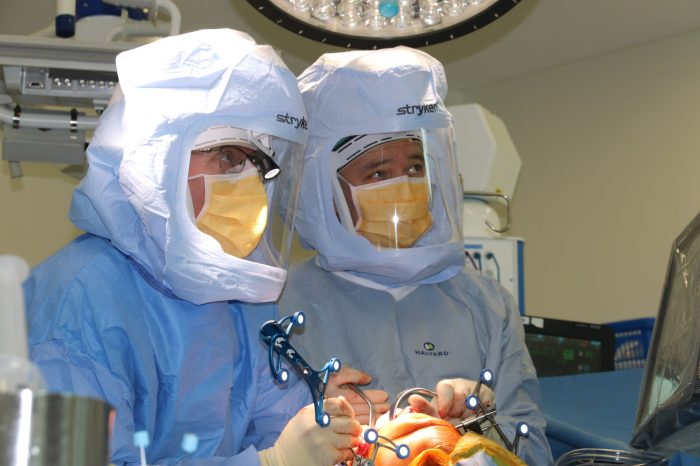
Robotic-assisted surgery has revolutionized traditional surgical procedures by incorporating advanced technology to enhance precision and control during operations. This innovative approach allows surgeons to perform minimally invasive surgeries with increased accuracy, resulting in reduced pain, shorter recovery times, and improved patient outcomes.
Robotic Systems in Minimally Invasive Surgeries
Robotic systems such as the da Vinci Surgical System have been widely used in minimally invasive surgeries across various medical specialties. These robotic platforms offer enhanced visualization, dexterity, and range of motion for surgeons, enabling them to perform complex procedures with greater efficiency and effectiveness.
- Example 1: The da Vinci Surgical System – This robotic system utilizes a magnified 3D high-definition vision system and wristed instruments that bend and rotate with greater flexibility than the human hand, allowing for precise movements in tight spaces.
- Example 2: The Mako Robotic-Arm Assisted Surgery System – Primarily used in orthopedic procedures, this robotic system assists surgeons in planning and executing joint replacement surgeries with unparalleled accuracy, leading to better implant positioning and alignment.
Benefits and Challenges of Robotic Surgery
Robotic surgery offers several advantages, including reduced blood loss, lower risk of infection, and shorter hospital stays for patients. Moreover, the minimally invasive nature of robotic procedures often leads to faster recovery times and minimal scarring. However, challenges such as the high cost of acquiring and maintaining robotic systems, the need for specialized training for surgeons, and potential technical limitations must be addressed to maximize the benefits of incorporating robotics in surgical practices.
Precision Medicine in Surgery
Precision medicine in surgery involves tailoring medical treatment to the individual characteristics of each patient. This approach takes into account factors such as genetics, lifestyle, and environment to provide personalized surgical interventions.
Genetic Testing and Precision Therapies
Genetic testing plays a crucial role in precision medicine by identifying specific genetic variations that may impact an individual’s response to certain medications or treatments. In surgery, this information can help determine the most effective and safe approach for a patient based on their genetic makeup. For example, genetic testing can identify genetic mutations that increase the risk of developing certain types of cancer, allowing for early detection and personalized treatment plans.
Precision therapies in surgery involve the use of targeted treatments that are tailored to an individual’s genetic profile. This can include medications that are specifically designed to target cancer cells based on their genetic mutations, leading to more effective and personalized treatment outcomes.
Reshaping Preoperative Planning and Postoperative Care
Precision medicine is transforming the way preoperative planning is conducted by providing surgeons with detailed information about a patient’s genetic predispositions, allowing for more accurate risk assessments and personalized treatment plans. This information can help optimize surgical procedures, minimize complications, and improve patient outcomes.
In postoperative care, precision medicine allows for personalized monitoring and follow-up based on an individual’s genetic profile. This can help identify potential complications early on and tailor postoperative care plans to meet the specific needs of each patient, leading to better recovery outcomes.
Augmented Reality and Virtual Reality in Surgery
Augmented Reality (AR) and Virtual Reality (VR) technologies have revolutionized the field of surgery by providing innovative tools for training, simulations, preoperative visualization, and intraoperative guidance.
Enhancing Surgical Training and Simulations
AR and VR technologies offer realistic simulations for surgical training, allowing medical professionals to practice procedures in a safe and controlled environment. Surgeons can improve their skills, enhance spatial awareness, and refine their techniques without risking patient safety. These immersive experiences help reduce errors and increase surgical proficiency.
Applications in Preoperative Visualization and Intraoperative Guidance
In preoperative planning, AR and VR enable surgeons to visualize patient anatomy in 3D models, enhancing understanding and decision-making. During surgery, these technologies provide real-time guidance, overlaying important information like vital structures, tumor margins, or navigation pathways onto the surgeon’s field of view. This augmented information enhances precision, reduces complications, and improves patient outcomes.
Potential Future Advancements
The future of AR and VR in surgery holds exciting possibilities. Advancements may include integrating artificial intelligence algorithms for personalized surgical plans, enhancing telemedicine capabilities for remote consultations and collaborations, and developing haptic feedback systems for a more immersive surgical experience. These advancements have the potential to revolutionize surgical practices, making procedures safer, more efficient, and more effective.
Nanotechnology in Surgical Innovation
Nanotechnology is making remarkable strides in revolutionizing targeted drug delivery in surgical treatments. By utilizing nanoparticles, medical professionals can deliver medications directly to specific cells or tissues, increasing efficacy and reducing side effects. This targeted approach allows for more precise treatment of conditions such as cancer, infections, and other diseases.
Nanotechnology in Targeted Drug Delivery
- Nanoparticles can be engineered to carry drugs directly to diseased cells, bypassing healthy tissues.
- This targeted approach enhances the effectiveness of medications while minimizing adverse effects on the patient.
- Researchers are exploring the use of nanocarriers to deliver chemotherapy drugs specifically to cancer cells, improving treatment outcomes and reducing toxicity.
Nanorobots in Minimally Invasive Surgeries
- Nanorobots, tiny machines at the nanoscale, have the potential to revolutionize minimally invasive surgeries.
- These nanorobots can be programmed to perform precise tasks within the body, such as delivering drugs, removing obstructions, or repairing tissues.
- By utilizing nanorobots, surgeons can enhance surgical precision, reduce recovery times, and improve patient outcomes.
Future Prospects of Nanotechnology in Surgery
- As nanotechnology continues to advance, the future of surgical innovation looks promising.
- Researchers are exploring the development of nanoscale surgical tools that can perform intricate procedures with unparalleled precision.
- The integration of nanotechnology in surgery holds the potential to revolutionize healthcare by improving treatment outcomes, reducing complications, and enhancing patient recovery.
Telemedicine and Remote Surgery: Cutting-edge Medical Advancements In Surgery
Telemedicine and remote surgery are revolutionizing the field of healthcare by providing access to specialized surgical expertise from a distance. This innovative approach has the potential to greatly benefit patients in need of complex surgical procedures.
Benefits of Telemedicine in Providing Access to Specialized Surgical Expertise Remotely
Telemedicine allows patients in remote or underserved areas to connect with expert surgeons located in different parts of the world. This not only improves access to specialized care but also reduces the need for patients to travel long distances for treatment.
- Increased access to specialized surgical expertise
- Reduced travel and associated costs for patients
- Improved efficiency in scheduling and coordinating surgical procedures
- Enhanced collaboration between healthcare providers
Challenges and Ethical Considerations of Performing Surgery through Teleoperation
While telemedicine offers numerous benefits, there are also challenges and ethical considerations that need to be addressed. Performing surgery remotely introduces unique complexities and raises important ethical questions regarding patient safety and the quality of care provided.
- Ensuring secure and reliable communication channels
- Maintaining patient privacy and confidentiality
- Addressing potential technical issues or delays during surgery
- Ensuring appropriate training and credentialing for remote surgeons
Expanding Healthcare Access in Underserved Regions through Remote Surgery
Remote surgery has the potential to significantly expand healthcare access in underserved regions where specialized surgical expertise may be limited or unavailable. By leveraging telemedicine technologies, patients in remote areas can receive life-saving surgeries without having to travel long distances.
- Improving healthcare outcomes in underserved communities
- Reducing disparities in access to surgical care
- Empowering local healthcare providers through teleconsultations and training
- Enhancing overall healthcare infrastructure in remote regions
Advances in 3D Printing for Surgical Applications
3D printing technology has revolutionized the field of surgery by allowing for the creation of patient-specific surgical implants and models. This innovative approach has significantly improved surgical outcomes and patient care.
Patient-Specific Surgical Implants and Models
- 3D printing enables surgeons to create customized implants that perfectly fit a patient’s unique anatomy, reducing the risk of complications and improving overall effectiveness.
- Precise 3D-printed models of a patient’s anatomy can be used for pre-surgical planning, allowing surgeons to practice complex procedures and anticipate any challenges they may encounter during surgery.
3D-Printed Surgical Tools and Instruments
- Surgeons can now utilize 3D-printed tools and instruments that are specifically designed for a particular procedure, enhancing surgical precision and efficiency.
- Examples include customized surgical guides, clamps, and drills that are tailored to the patient’s anatomy, resulting in more accurate and minimally invasive surgeries.
Bioprinting for Tissue Engineering and Organ Transplantation
- Bioprinting technology holds the potential to revolutionize tissue engineering and organ transplantation by creating complex 3D structures using living cells.
- This innovative approach could address the shortage of donor organs and tissues, providing patients with personalized and functional replacements that are biocompatible and have a reduced risk of rejection.
Regenerative Medicine in Surgical Procedures
Regenerative medicine plays a crucial role in tissue repair and regeneration during surgeries, offering innovative solutions for enhancing patient outcomes.
Advancements in Stem Cell Therapy
Stem cell therapy has revolutionized surgical procedures by providing a regenerative approach to healing damaged tissues. Stem cells have the unique ability to differentiate into various cell types, promoting tissue repair and regeneration. This cutting-edge therapy has shown promising results in enhancing the recovery process for patients undergoing surgical interventions.
Transforming Reconstructive and Plastic Surgeries
Regenerative medicine has transformed the field of reconstructive and plastic surgeries by offering new possibilities for tissue reconstruction. Advanced techniques, such as tissue engineering and biomaterials, have allowed surgeons to create custom solutions for patients requiring complex reconstructive procedures. These innovations have significantly improved the aesthetic and functional outcomes of surgical interventions in plastic and reconstructive surgery.
Artificial Intelligence in Surgical Decision-making
Artificial Intelligence (AI) is revolutionizing the field of surgery by providing advanced tools to assist surgeons in diagnostics, treatment planning, and real-time monitoring during procedures. AI algorithms are trained on vast amounts of data to analyze complex patterns and provide valuable insights to healthcare professionals.
AI Algorithms in Surgical Diagnostics and Treatment Planning
AI algorithms are being utilized to analyze medical images such as X-rays, MRIs, and CT scans to assist in early detection and accurate diagnosis of various conditions. These algorithms can help identify abnormalities, predict disease progression, and recommend personalized treatment plans based on individual patient data.
Real-time Monitoring with AI Tools
During surgical procedures, AI tools can provide real-time feedback and monitoring to assist surgeons in making critical decisions. For example, AI-powered systems can analyze vital signs, blood flow, and tissue characteristics to alert surgeons of any potential complications or deviations from the expected outcome.
Ethical Considerations and Challenges of AI in Autonomous Surgery, Cutting-edge medical advancements in surgery
While AI offers numerous benefits in surgical decision-making, there are ethical considerations and challenges that need to be addressed. Issues such as patient privacy, data security, liability, and the potential for autonomous surgery raise important questions about the role of AI in healthcare and the level of human oversight required.
Integration of Wearable Technology in Postoperative Care
Wearable technology has revolutionized the way we monitor patients’ recovery progress after surgery. These devices, such as smartwatches and fitness trackers, provide real-time data on vital signs, activity levels, and overall health, allowing healthcare providers to closely monitor their patients remotely.
Monitoring Recovery Progress
Wearable devices play a crucial role in tracking patients’ vital signs, such as heart rate, blood pressure, and oxygen levels, during the postoperative period. This continuous monitoring helps healthcare professionals detect any anomalies or signs of complications early on, allowing for timely intervention and improved outcomes.
Promoting Patient Engagement
By empowering patients to track their own recovery progress through wearable technology, individuals become more engaged in their postoperative care. The ability to monitor their activity levels, set goals, and receive feedback in real-time encourages patients to adhere to their treatment plan and take an active role in their recovery.
Predicting Postoperative Complications
Wearable technology has the potential to analyze vast amounts of data collected from patients post-surgery to identify patterns and predict the likelihood of postoperative complications. By leveraging machine learning algorithms and artificial intelligence, these devices can provide early warnings of potential issues, allowing healthcare providers to intervene proactively and prevent adverse outcomes.
Essential FAQs
How are robotic systems changing traditional surgical procedures?
Robotic systems are enhancing precision and control in surgeries, enabling minimally invasive techniques and improving patient outcomes.
What role does precision medicine play in personalized surgical treatments?
Precision medicine tailors treatments based on individual genetic makeup, optimizing surgical interventions for better results.
How is regenerative medicine transforming reconstructive surgeries?
Regenerative medicine promotes tissue repair and regeneration, offering new possibilities in reconstructive and plastic surgeries.



More Stories