Importance of Health Checkups
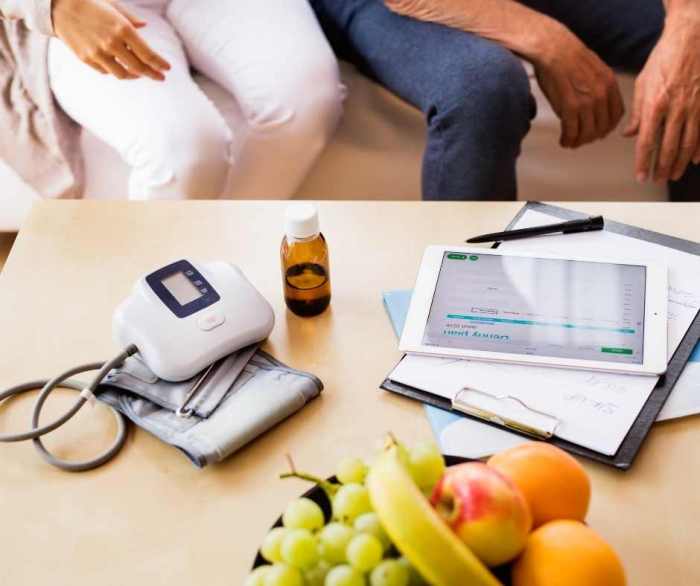
Regular health checkups play a vital role in maintaining overall well-being by allowing early detection and prevention of potential health issues. These routine screenings help individuals monitor their health status and take necessary actions to prevent serious illnesses.
Early Detection of Diseases
Health checkups can identify various preventable diseases in their early stages, such as high blood pressure, diabetes, and certain types of cancer. Detecting these conditions early on can significantly increase the chances of successful treatment and recovery.
- Regular blood pressure checks can help prevent heart disease and stroke by monitoring hypertension levels.
- Screenings for diabetes through blood tests can aid in managing blood sugar levels and preventing complications associated with the condition.
- Regular mammograms and colonoscopies can detect breast cancer and colon cancer early, improving treatment outcomes.
Role of Health Screenings
Health screenings are crucial in identifying risk factors and potential health problems before symptoms appear. By undergoing screenings recommended for their age and gender, individuals can take proactive steps to maintain good health and prevent future complications.
- Cholesterol screenings can help assess the risk of heart disease and guide lifestyle modifications or medication interventions.
- Regular skin cancer screenings can detect melanoma early, increasing the chances of successful treatment and cure.
- Annual physical exams can provide a comprehensive overview of an individual’s health status, enabling healthcare providers to address any concerns promptly.
Frequency of Health Checkups
Regular health checkups are crucial for maintaining overall well-being and catching any potential health issues early on. The frequency of these checkups can vary depending on age, health history, and risk factors. Here are some general recommendations on how often different age groups should schedule health checkups:
Age Group Recommendations
- Children and teenagers: Annual checkups are typically recommended to monitor growth and development, as well as address any concerns related to vaccinations, nutrition, and mental health.
- Adults (18-64 years old): For individuals in this age group without chronic conditions, a checkup every 1-2 years is usually sufficient. However, those with risk factors like obesity, high blood pressure, or a family history of certain diseases may need more frequent screenings.
- Seniors (65+ years old): Older adults should aim for annual checkups to monitor changes in health, manage chronic conditions, and receive appropriate screenings for age-related diseases like cancer and osteoporosis.
Comparison of Checkup Frequency
Regular checkups are especially important for individuals with chronic conditions, as they may require more frequent monitoring and specialized care. Compared to those without chronic illnesses, individuals with conditions like diabetes, heart disease, or cancer may need to see their healthcare provider more often to manage symptoms, adjust treatment plans, and prevent complications.
Benefits of Regular Checkups
Regular health checkups play a crucial role in early detection and prevention of diseases. By monitoring key health indicators like blood pressure, cholesterol levels, and blood sugar, healthcare providers can identify potential issues before they escalate into serious health problems. Additionally, routine screenings for conditions like cancer, diabetes, and hypertension can help individuals take proactive steps to maintain their health and well-being.
Impact of Preventive Medicine
Preventive medicine plays a crucial role in reducing healthcare costs by focusing on preventing diseases before they occur. By taking proactive measures to maintain good health, individuals can potentially avoid expensive medical treatments and hospitalizations.
Preventive Measures for Good Health
- Regular exercise: Engaging in physical activity can help prevent chronic conditions such as heart disease, diabetes, and obesity.
- Healthy diet: Eating a balanced diet rich in fruits, vegetables, whole grains, and lean proteins can support overall health and reduce the risk of certain illnesses.
- Regular screenings: Getting recommended screenings for conditions like high blood pressure, cholesterol, and cancer can help detect issues early on.
- Mental health support: Prioritizing mental well-being through stress management, therapy, or counseling can contribute to overall health and prevent psychological issues.
Link Between Preventive Medicine and Long-Term Health Outcomes
Preventive medicine is strongly linked to long-term health outcomes as it focuses on identifying risk factors early and taking steps to address them. By practicing preventive measures and undergoing regular health checkups, individuals can reduce their chances of developing serious illnesses and improve their overall quality of life. Additionally, preventive medicine can lead to better management of chronic conditions and ultimately result in lower healthcare costs for both individuals and the healthcare system as a whole.
The Role of Technology in Health Monitoring
Technology has played a significant role in revolutionizing health monitoring, providing individuals with more accurate and accessible tools to track their health metrics effectively. From wearable devices to telemedicine, advancements in technology have greatly enhanced the way we monitor our health.
Wearable Devices for Health Tracking
- Smartwatches and fitness trackers: These devices can monitor heart rate, sleep patterns, activity levels, and even track calories burned throughout the day.
- Blood pressure monitors: Wearable blood pressure monitors can provide real-time data on blood pressure levels, helping individuals keep track of their cardiovascular health.
- Glucose monitors: For individuals with diabetes, wearable glucose monitors offer continuous glucose monitoring, reducing the need for frequent finger pricks.
Telemedicine for Remote Health Monitoring
- Virtual consultations: Telemedicine allows individuals to consult with healthcare providers remotely, enabling them to discuss health concerns, receive prescriptions, and monitor their progress without the need for in-person visits.
- Remote monitoring devices: Patients can use remote monitoring devices to track vital signs, such as blood pressure, heart rate, and oxygen levels, and share this data with healthcare providers for continuous monitoring and adjustments to treatment plans.
- Mental health support: Telemedicine also extends to mental health services, providing individuals with access to therapy sessions and mental health support from the comfort of their homes.
Holistic Approach to Health: How Often Should You Get Health Checkups?
How often should you get health checkups? – When it comes to health checkups, it’s crucial to consider not only your physical well-being but also your mental and emotional health. A holistic approach takes into account all aspects of your well-being to ensure comprehensive care.
Strategies for Holistic Practices
Integrating holistic practices like yoga, meditation, and mindfulness into your health checkup routine can have numerous benefits. These practices can help reduce stress, improve mental clarity, and promote overall well-being.
- Start your day with a brief meditation session to set a positive tone for the day.
- Incorporate yoga or stretching exercises into your daily routine to improve flexibility and reduce tension in the body.
- Practice mindfulness throughout the day by focusing on the present moment and letting go of worries about the past or future.
Benefits of a Holistic Approach
A holistic approach to health can lead to improved overall health and wellness by addressing all aspects of your well-being. By taking care of your physical, mental, and emotional health, you can achieve a better balance in life and experience greater vitality and energy.
Nutritional Counseling and Weight Management
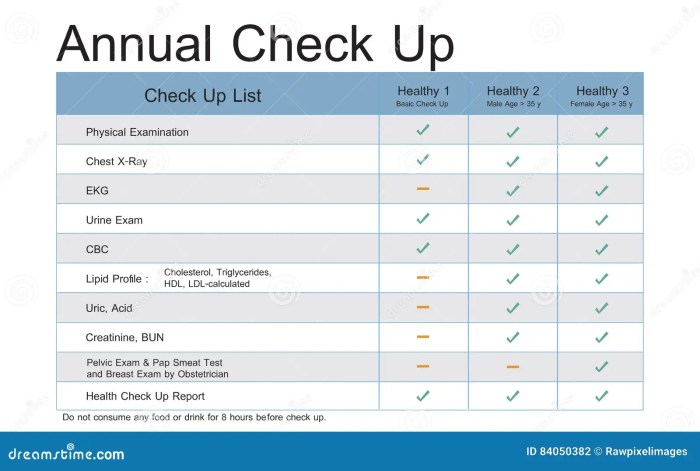
Nutritional counseling plays a crucial role in maintaining overall health and preventing chronic diseases. A balanced diet not only provides essential nutrients for the body but also supports various bodily functions, helping to reduce the risk of developing health issues in the long run. Additionally, weight management is closely related to overall health and well-being, as excess weight can lead to various health problems such as heart disease, diabetes, and hypertension.
Role of Nutrition in Health
Nutrition is the cornerstone of good health, as it provides the necessary nutrients for the body to function optimally. A diet rich in fruits, vegetables, whole grains, lean proteins, and healthy fats can help prevent diseases such as obesity, diabetes, and cardiovascular issues. Nutritional counseling can help individuals understand their dietary needs and make informed choices to improve their overall health.
- Include a variety of colorful fruits and vegetables in your meals to ensure you get a wide range of vitamins and minerals.
- Opt for whole grains such as brown rice, quinoa, and whole wheat bread to increase fiber intake and promote digestive health.
- Choose lean proteins like chicken, fish, tofu, and legumes to support muscle growth and repair.
Healthy Snacks and Balanced Nutrition, How often should you get health checkups?
Incorporating healthy snacks into your daily routine can help maintain energy levels and prevent overeating during meals. Opt for nutrient-dense snacks such as nuts, seeds, yogurt, and fresh fruit to satisfy hunger between meals. Additionally, focusing on balanced nutrition throughout the day can help regulate blood sugar levels and support overall well-being.
- Avoid processed snacks high in sugar and unhealthy fats, and instead choose whole foods that provide sustained energy.
- Plan your meals and snacks ahead of time to ensure you have healthy options readily available when hunger strikes.
- Stay hydrated by drinking plenty of water throughout the day and limit sugary beverages that can contribute to excess calorie intake.
Importance of Weight Management
Maintaining a healthy weight is essential for overall health and can reduce the risk of developing chronic conditions such as heart disease, diabetes, and arthritis. By adopting healthy eating habits and engaging in regular physical activity, individuals can achieve and maintain a healthy weight, improving their quality of life and longevity.
Remember, weight management is not just about numbers on a scale but about feeling good and taking care of your body.
Skin Health and Physical Activities
Regular health checkups are crucial for monitoring not just internal health but also external factors like skin health. Skin health screenings during checkups can help detect early signs of skin cancer, infections, or other dermatological issues that may require medical attention. Taking care of your skin is an essential part of overall wellness.
Importance of Skin Health Screenings
Skin health screenings during regular checkups can help in early detection of skin cancer, melanoma, or other skin conditions. Dermatologists can identify any suspicious moles, lesions, or abnormalities that may require further evaluation or treatment. It is important to prioritize skin health as it can impact overall well-being and quality of life.
- Regular skin checks can help prevent skin cancer by catching any abnormalities early.
- Screenings can also detect other skin conditions like eczema, psoriasis, or dermatitis.
- Early detection of skin issues can lead to timely treatment and better outcomes.
Physical Activities for Cardiovascular Health
Engaging in physical activities is essential for promoting cardiovascular health and overall fitness. Regular exercise can help improve circulation, strengthen the heart, and reduce the risk of heart disease. Examples of physical activities that benefit cardiovascular health include:
- Brisk walking or jogging
- Cycling or swimming
- Aerobic exercises like dancing or Zumba
Link Between Physical Activity, Skin Health, and Wellness
Physical activity not only improves cardiovascular health but also contributes to skin health and overall wellness. Exercise helps in reducing stress, improving sleep quality, and boosting mood, all of which can have a positive impact on skin health. Regular physical activity promotes blood flow, delivering essential nutrients and oxygen to the skin cells, resulting in a healthy and radiant complexion.
- Exercise can help in reducing inflammation and promoting skin regeneration.
- Physical activity stimulates collagen production, enhancing skin elasticity and firmness.
- Regular workouts can improve skin tone and texture, giving a youthful appearance.
Mental Strength and Emotional Health
Maintaining mental strength and emotional well-being is crucial for overall health as it directly impacts physical well-being. Addressing emotional health alongside physical health is essential for a holistic approach to wellness.
Strategies for Improving Mental Health
- Practice mindfulness: Engage in activities like meditation and deep breathing to stay present and reduce stress.
- Therapy: Seek professional help through therapy sessions to address underlying emotional issues and develop coping mechanisms.
- Self-care: Prioritize self-care activities such as hobbies, relaxation, and spending time with loved ones to improve mental well-being.
Impact of Emotional Health on Physical Well-being
Emotional health can affect physical health by leading to conditions like high blood pressure, weakened immune system, and increased risk of chronic diseases.
Taking care of emotional health is crucial to prevent the negative impact on physical well-being. It is important to address emotional issues to maintain overall health effectively.
Health Education and Awareness
Health education plays a crucial role in empowering individuals to make informed decisions about their well-being. By raising awareness and providing knowledge about various health topics, individuals can take proactive steps to maintain and improve their overall health.
Resources for Staying Informed
- Medical Websites: Websites like WebMD, Mayo Clinic, and CDC provide reliable information on a wide range of health topics.
- Health Apps: Apps like MyFitnessPal, Headspace, and Medisafe help users track their health metrics, practice meditation, and manage medications.
- Health Magazines: Publications like Health, Prevention, and Men’s Health offer articles on fitness, nutrition, and overall well-being.
Importance of Raising Awareness
- Encourages Early Detection: Raising awareness about symptoms and risk factors can lead to early detection of diseases, improving treatment outcomes.
- Promotes Preventive Measures: Increased awareness about preventive healthcare measures, such as vaccinations and screenings, can reduce the incidence of illnesses.
- Empowers Individuals: Knowledge is power, and by educating individuals about their health, they are empowered to take control of their well-being.
FAQ Insights
How often should young adults get health checkups?
Young adults should aim for an annual health checkup to monitor their overall well-being and address any potential health concerns proactively.
Is it necessary to get health checkups if I feel healthy?
Yes, even if you feel healthy, regular checkups are essential for early detection of any underlying health issues that may not present symptoms initially.
How does preventive medicine impact the frequency of health checkups?
Preventive medicine emphasizes proactive measures to maintain health, potentially reducing the need for frequent checkups by addressing issues before they escalate.
Can telemedicine be used for health checkups?
Telemedicine offers a convenient way to have consultations and monitoring remotely, but physical exams may still be necessary depending on the situation.


More Stories