Importance of Flexibility in Physical Activities
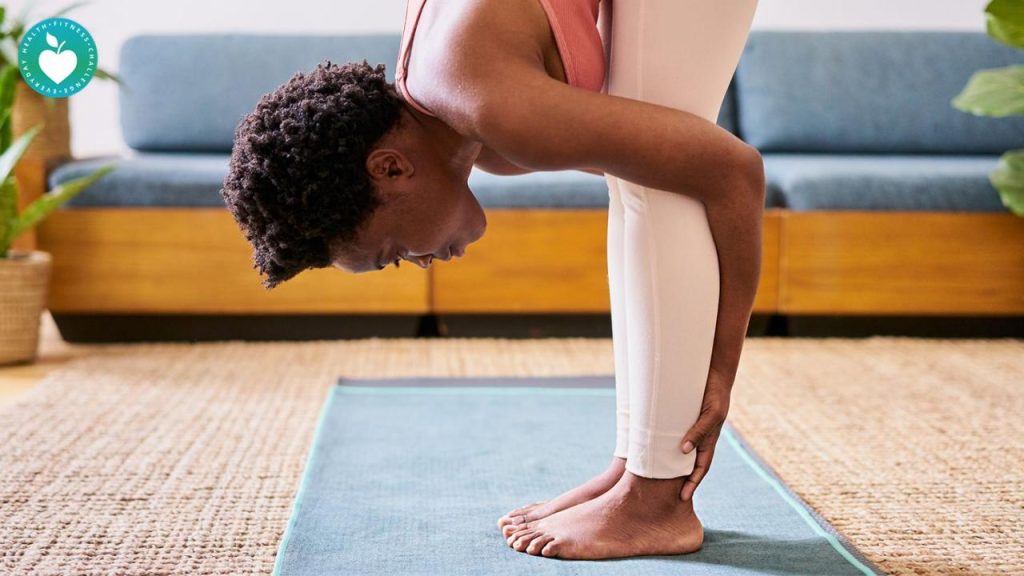
Physical activities for improving flexibility – Flexibility plays a crucial role in overall fitness as it allows for a wide range of motion in the joints and muscles. Improved flexibility can help prevent injuries during workouts by enhancing the body’s ability to move smoothly and efficiently. Additionally, flexibility has a significant impact on posture, helping to maintain proper alignment and reduce the risk of musculoskeletal issues.
Preventing Injuries
Improved flexibility can prevent injuries during physical activities by increasing the body’s ability to adapt to different movements and positions. It helps to reduce the likelihood of strains, sprains, and other common workout-related injuries.
Enhancing Range of Motion
Flexibility directly impacts the range of motion in joints, allowing for better performance in various physical activities. By increasing flexibility, individuals can move more freely and effectively, improving overall athletic performance.
Improving Posture
Good flexibility promotes better posture by enabling the body to maintain proper alignment and positioning during movements. This can alleviate stress on the muscles and joints, reducing the risk of pain and discomfort associated with poor posture.
Physical Activities to Improve Flexibility
Engaging in specific physical activities can greatly enhance flexibility, allowing for better range of motion and reduced risk of injury. Here are some types of exercises that can help improve flexibility:
Types of Stretching Exercises
Stretching is a key component of any flexibility routine. Different types of stretching exercises include:
- Static stretching: Holding a stretch position for a period of time to lengthen the muscles.
- Dynamic stretching: Moving parts of your body through a full range of motion to increase flexibility.
- PNF stretching: Involves a combination of stretching and contracting of the muscle to improve flexibility.
Benefits of Yoga
Incorporating yoga into your flexibility routine can offer various benefits such as:
- Improved flexibility and balance.
- Stress reduction and relaxation.
- Enhanced mind-body connection.
Pilates for Flexibility and Strength
Pilates focuses on core strength, but it also helps in increasing flexibility through:
- Lengthening and strengthening muscles simultaneously.
- Improving posture and alignment.
- Enhancing overall body awareness.
Incorporating Dance into Flexibility Training
Dance is an excellent way to enhance flexibility as it involves a wide range of movements that stretch and strengthen the muscles. Incorporating dance into your flexibility training routine can help improve your range of motion, posture, and overall body control.
Benefits of Ballet or Contemporary Dance for Flexibility
- Ballet: Ballet techniques focus on elongating the muscles, promoting flexibility, and improving balance and coordination. The graceful movements in ballet help lengthen and stretch the muscles, leading to increased flexibility over time.
- Contemporary Dance: Contemporary dance combines elements of various dance styles, incorporating fluid movements and dynamic stretches. It helps improve flexibility by engaging different muscle groups and challenging the body in new ways.
Adapting Dance Routines for Various Fitness Levels
- Beginners: Start with simple dance routines that focus on basic stretches and movements to gradually build flexibility and coordination.
- Intermediate: Progress to more complex dance sequences that involve deeper stretches and challenging positions to further enhance flexibility and strength.
- Advanced: Incorporate advanced dance routines that require a high level of flexibility, control, and endurance to push your limits and improve overall performance.
Benefits of Regular Physical Therapy for Flexibility
Regular physical therapy sessions can be highly beneficial in improving flexibility as they are tailored to target specific flexibility issues that an individual may be facing. Physical therapists are trained professionals who can assess an individual’s range of motion, muscle strength, and overall flexibility to identify areas that need improvement.
Personalized Flexibility Plans
Physical therapists play a crucial role in creating personalized flexibility plans for their clients. They take into consideration the individual’s current level of flexibility, any underlying medical conditions, and personal fitness goals to design a customized treatment plan. This may include a combination of stretching exercises, manual therapy techniques, and strengthening exercises to improve flexibility over time.
Success Stories
There are numerous success stories of individuals who have significantly improved their flexibility through regular physical therapy sessions. For example, a dancer who was struggling with tight hip flexors and limited range of motion was able to enhance their flexibility and performance after working with a physical therapist. By following a structured flexibility program and receiving hands-on guidance from the therapist, the individual was able to overcome their limitations and achieve their desired level of flexibility.
Importance of Health Coaching in Flexibility Programs
Health coaches play a crucial role in supporting individuals in achieving their flexibility goals by providing personalized guidance and motivation throughout their fitness journey.
Supporting Individuals in Achieving Flexibility Goals
Health coaches work closely with clients to create customized flexibility programs tailored to their specific needs and abilities. They provide expert advice on stretching techniques, proper warm-up exercises, and recovery strategies to improve flexibility and prevent injuries.
Providing Motivation for Consistent Physical Activities
- Health coaches inspire and motivate individuals to stay consistent with their physical activities by setting realistic goals and tracking progress over time.
- They offer encouragement and accountability to help clients stay motivated and committed to their flexibility training routine.
- Health coaches also celebrate milestones and achievements along the way, reinforcing positive behaviors and fostering a sense of accomplishment.
Tips for Maintaining Flexibility and Preventing Injuries
-
Stay hydrated throughout the day to keep muscles and joints lubricated for optimal flexibility.
- Include a variety of stretching exercises in your routine to target different muscle groups and improve overall flexibility.
- Focus on proper form and technique during stretching to avoid strain and reduce the risk of injuries.
- Listen to your body and avoid pushing past your limits, as overstretching can lead to muscle tears and other injuries.
- Regularly assess your flexibility levels and adjust your training program as needed to continue making progress and prevent plateaus.
Role of Yoga Practice in Improving Physical and Mental Wellbeing
Yoga is a holistic practice that not only benefits the body but also the mind. Through a combination of physical postures, breathing techniques, and meditation, yoga enhances flexibility, balance, and mental strength, leading to overall improved wellbeing.
Enhancing Flexibility, Balance, and Mental Strength
- Yoga postures, or asanas, focus on stretching and lengthening muscles, which in turn increases flexibility over time.
- Balance poses in yoga help improve stability and coordination, enhancing overall body awareness.
- The mindfulness and breath control practiced in yoga contribute to mental strength and emotional resilience.
Connection Between Yoga Practice and Emotional Health
- Yoga encourages self-reflection and introspection, leading to a deeper understanding of one’s emotions and thought patterns.
- Regular practice of yoga can help reduce stress, anxiety, and depression by promoting relaxation and a sense of inner peace.
- Yoga techniques, such as pranayama (breath control) and meditation, can improve emotional regulation and increase feelings of contentment.
Benefits of Combining Yoga with Other Physical Activities
- Pairing yoga with activities like strength training or cardio can provide a well-rounded fitness routine that targets different aspects of physical health.
- Yoga can serve as a complementary practice to high-intensity workouts, helping to prevent injuries and improve recovery time.
- The relaxation and mindfulness cultivated in yoga can enhance the overall experience of other physical activities and promote a sense of balance in one’s fitness regimen.
Impact of Balanced Nutrition on Flexibility
Proper nutrition plays a crucial role in supporting flexibility, muscle recovery, and overall physical performance. A well-balanced diet can provide the necessary nutrients to maintain flexibility during physical activities.
Foods that Promote Flexibility and Joint Health
- Omega-3 fatty acids found in fatty fish like salmon and mackerel can help reduce inflammation in the joints, promoting flexibility.
- Leafy green vegetables such as spinach and kale are rich in antioxidants and vitamins that support joint health and flexibility.
- Collagen-rich foods like bone broth, chicken, and egg whites can help maintain the elasticity of connective tissues, supporting flexibility.
- Fruits like berries and oranges provide essential vitamins and antioxidants that aid in reducing muscle soreness and improving flexibility.
The Importance of Hydration for Maintaining Flexibility
- Hydration is key to maintaining flexibility during physical activities as water helps lubricate the joints and muscles, reducing the risk of injury.
- Drinking an adequate amount of water throughout the day ensures that the body can effectively transport nutrients to muscles and tissues, supporting flexibility.
- Electrolyte-rich beverages like coconut water can help replenish lost minerals during exercise, supporting muscle recovery and flexibility.
Strategies for Setting and Achieving Fitness Goals
Setting realistic flexibility goals is crucial for progress in your training. It is essential to have a clear understanding of your current flexibility level and create goals that are challenging yet achievable. Here are some tips for setting realistic flexibility goals:
Tip 1: Assess Your Current Flexibility Level
Before setting goals, assess your current flexibility level through basic stretches and movements. This will help you identify areas that need improvement and set specific goals to target those areas.
Tip 2: Break Down Your Goals
Break down your overall flexibility goal into smaller, manageable tasks. For example, if your goal is to touch your toes, start by increasing hamstring flexibility through specific stretches and exercises.
Tip 3: Set Specific and Measurable Goals
Ensure your flexibility goals are specific and measurable. Instead of setting a vague goal like “improve flexibility,” set a specific goal like “increase hamstring flexibility by 2 inches within 4 weeks.”
Tip 4: Track Your Progress
Tracking your progress is essential for staying motivated and making adjustments to your training program. Keep a flexibility journal, take measurements, and track your ability to perform specific stretches over time.
Tip 5: Celebrate Small Wins
Celebrate each milestone you achieve along the way to your main flexibility goal. Recognizing and celebrating small wins will keep you motivated and committed to your training.
Success Stories
Many individuals have achieved their flexibility goals through consistent effort and dedication to their training. By setting realistic goals, tracking progress, and staying committed, these individuals were able to improve their flexibility and achieve feats they once thought were impossible.
Mental Strength and its Influence on Physical Performance
Maintaining mental strength is crucial for enhancing physical performance, especially when it comes to flexibility during workouts. A positive mindset and mental resilience can significantly impact how well you can stretch your muscles and improve your overall flexibility.
Techniques for Improving Mental Focus and Resilience in Physical Activities
- Practice deep breathing exercises to stay calm and focused during workouts.
- Visualize yourself successfully completing challenging flexibility exercises to boost confidence.
- Avoid negative self-talk and instead, use positive affirmations to stay motivated.
- Set small, achievable goals to track your progress and stay mentally engaged.
Role of Positive Mindset in Overcoming Flexibility Challenges
Believing in your ability to improve your flexibility and overcome obstacles is key to achieving success in your physical activities.
Maintaining a positive mindset can help you push through discomfort, setbacks, and plateaus in your flexibility training. It allows you to stay focused on your goals and approach challenges with a can-do attitude, ultimately leading to better flexibility and physical performance.
Importance of Health Education in Flexibility Programs
Health education plays a crucial role in enhancing flexibility as it helps individuals understand the significance of being flexible and how it can benefit their overall well-being.
Benefits of Educating Individuals on the Importance of Flexibility
- Increased awareness about the impact of flexibility on physical performance and injury prevention.
- Promotion of long-term health benefits such as improved posture, mobility, and joint health.
- Empowerment to take control of one’s fitness journey by making informed decisions about flexibility training.
Role of Health Educators in Promoting Physical Activities for Improved Flexibility
- Health educators guide individuals on proper stretching techniques, exercises, and safety precautions to enhance flexibility effectively.
- They create tailored flexibility programs based on individual needs and goals, ensuring a holistic approach to fitness.
- Health educators motivate and inspire individuals to stay consistent with their flexibility training through education and support.
Examples of Educational Resources for Learning about Flexibility and Fitness
- Online articles, videos, and courses on stretching exercises, yoga poses, and flexibility training programs.
- Books and publications by health experts and fitness professionals focusing on flexibility and its benefits.
- Workshops, seminars, and webinars conducted by health educators and fitness instructors to educate the community on flexibility.
Strategies for Effective Weight Management to Enhance Flexibility
Maintaining a healthy weight is crucial for enhancing flexibility as excess weight can hinder range of motion and overall physical performance. Here are some tips for combining weight management with flexibility training to improve flexibility and overall well-being.
Tip 1: Balanced Diet
- Focus on consuming a balanced diet rich in fruits, vegetables, lean proteins, and whole grains.
- Avoid processed foods high in sugar, salt, and unhealthy fats.
- Stay hydrated by drinking plenty of water throughout the day.
Tip 2: Regular Exercise Routine
- Incorporate a mix of cardiovascular exercise, strength training, and flexibility exercises into your weekly routine.
- Aim for at least 150 minutes of moderate-intensity exercise per week.
- Include flexibility training exercises such as yoga or Pilates to improve range of motion.
Tip 3: Portion Control
- Be mindful of portion sizes to prevent overeating and unnecessary weight gain.
- Use smaller plates and bowls to help control portion sizes.
- Eat slowly and listen to your body’s hunger cues to avoid overeating.
Tip 4: Consistent Sleep Schedule
- Aim for 7-9 hours of quality sleep each night to support weight management and overall health.
- Prioritize a consistent sleep schedule and create a relaxing bedtime routine.
- Avoid screens and stimulants before bedtime to improve sleep quality.
Regular Health Checkups and their Role in Flexibility Maintenance
Regular health checkups play a crucial role in maintaining flexibility and overall health. By identifying flexibility issues early on, individuals can take proactive steps to address these concerns and prevent them from worsening over time.
Early Detection of Flexibility Issues
Regular health checkups can help detect any signs of decreased flexibility or mobility in the body. Healthcare professionals can conduct physical assessments and tests to evaluate the range of motion in joints and muscles, highlighting any areas of concern that may impact flexibility.
Consulting Healthcare Professionals
It is essential to consult healthcare professionals, such as physical therapists or sports medicine doctors, when facing flexibility concerns. These experts can provide personalized guidance on exercises, stretches, and treatments to improve flexibility and prevent injuries related to limited mobility.
Benefits of Preventive Healthcare
Preventive healthcare measures, including regular health checkups, can significantly contribute to maintaining flexibility and overall health. By addressing flexibility issues early, individuals can work towards enhancing their range of motion, reducing the risk of injuries, and optimizing their physical performance in various activities.
Skincare Tips for Active Individuals to Support Flexibility
Regular physical activities and flexibility training can put a strain on your skin, leading to issues like dryness, irritation, or even sun damage. It’s essential to take care of your skin to support your overall health and wellbeing while engaging in these activities.
Importance of Skincare during Physical Activities
Protecting your skin during physical activities is crucial to prevent damage and maintain its health. Sweat, friction, and exposure to the elements can all impact your skin’s condition, making it essential to have a proper skincare routine in place.
Skincare Tips for Active Individuals
- Avoid wearing makeup during workouts to prevent clogged pores and breakouts.
- Use a gentle cleanser to wash your face post-workout to remove sweat and dirt.
- Apply a moisturizer to keep your skin hydrated, especially if you’re exercising outdoors.
- Don’t forget to apply sunscreen before heading out to protect your skin from harmful UV rays.
- Consider using products specifically designed for active individuals, such as sweat-resistant sunscreen or lightweight moisturizers.
Examples of Skincare Products for Active Lifestyles
When choosing skincare products for your active lifestyle, opt for ones that are non-comedogenic, lightweight, and suitable for sensitive skin. Some examples include:
– Oil-free moisturizers
– Water-resistant sunscreen
– Cleansing wipes for quick post-workout cleanup
– Lip balm with SPF protection
Strategies for Improving Emotional Health through Physical Activities
Regular physical activities not only benefit our physical health but also play a crucial role in improving our emotional wellbeing and flexibility. Exercise helps reduce stress, boosts mood, and enhances overall mental health. Let’s explore some techniques for harnessing the power of physical activities to improve emotional health and flexibility.
Techniques for Reducing Stress and Improving Mental Health
- Engage in aerobic exercises like running, cycling, or swimming to release endorphins, the body’s natural stress relievers.
- Practice mindfulness techniques such as yoga or tai chi to promote relaxation and reduce anxiety.
- Include strength training in your workout routine to build confidence and improve self-esteem.
- Participate in group fitness classes or team sports to foster social connections and combat feelings of isolation.
Connection between Emotional Health and Flexibility in Daily Life
Flexibility in the body can mirror flexibility in the mind. By improving physical flexibility through activities like stretching and yoga, individuals can learn to adapt to life’s challenges with a more open and resilient mindset.
Physical activities that enhance flexibility not only benefit our bodies but also contribute to emotional strength and adaptability. By incorporating exercises that promote relaxation, reduce stress, and improve mental health, individuals can cultivate a healthy balance between emotional wellbeing and flexibility in their daily lives.
Motivation Techniques for Sustaining Healthy Physical Activities
Regular physical activities contribute significantly to improving flexibility and overall health. However, maintaining motivation for consistent workouts can be challenging. Here are some strategies to help you stay motivated and committed to your flexibility goals:
Role of Support Systems in Maintaining Motivation
Support systems play a crucial role in keeping you motivated to engage in physical activities. Whether it’s friends, family, or a workout buddy, having someone to share your progress, challenges, and achievements with can provide the encouragement and accountability needed to stay on track.
Tips for Overcoming Obstacles and Staying Committed
– Set realistic goals: Break down your flexibility goals into smaller, achievable milestones to avoid feeling overwhelmed.
– Stay consistent: Establish a regular workout routine and stick to it, even on days when you don’t feel motivated.
– Celebrate progress: Acknowledge and celebrate your achievements, no matter how small, to boost your confidence and motivation.
– Mix it up: Keep your workouts fresh and exciting by trying different flexibility exercises, classes, or activities to prevent boredom.
– Seek professional guidance: Consider working with a fitness coach or trainer who can provide personalized support, guidance, and motivation to help you reach your flexibility goals.
Creating Health Awareness about the Benefits of Flexibility
Increasing health awareness about the benefits of flexibility in fitness programs is crucial for promoting overall well-being and enhancing physical performance.
Importance of Raising Awareness
Raising awareness about flexibility helps individuals understand the importance of incorporating flexibility training into their fitness routines. It highlights how flexibility can improve mobility, prevent injuries, and enhance overall physical health.
Examples of Campaigns Promoting Flexibility Benefits
- One campaign could focus on showcasing the stories of individuals who have experienced significant improvements in their flexibility and overall health after incorporating flexibility training into their daily routines.
- Another campaign could involve collaborating with fitness influencers or experts to share educational content on the benefits of flexibility through social media platforms and workshops.
- Partnering with health and wellness organizations to host events or webinars dedicated to educating the community about the positive impact of flexibility on physical and mental well-being.
Encouraging Prioritization of Flexibility Training
Increasing health awareness about flexibility can encourage more individuals to prioritize flexibility training by highlighting the numerous benefits it offers. This can lead to a shift in mindset where flexibility is seen as an essential component of overall fitness and health maintenance.
Preventive Medicine Approaches for Enhancing Flexibility: Physical Activities For Improving Flexibility
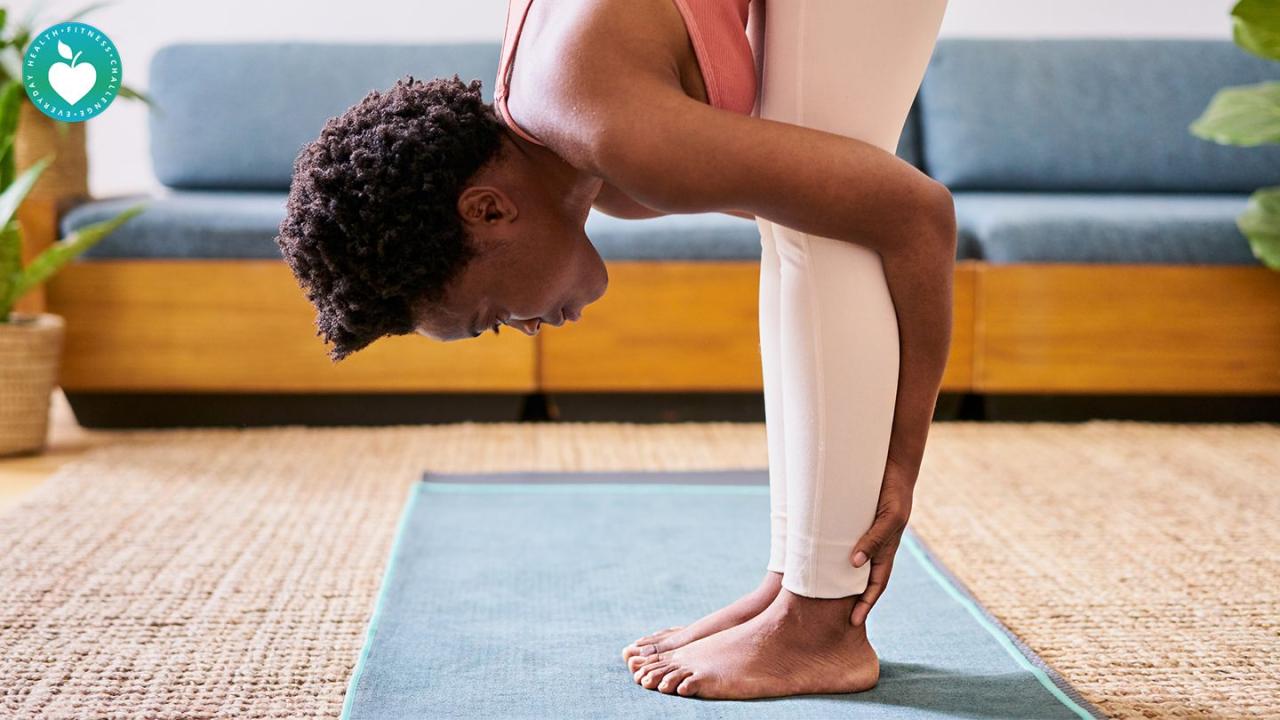
Maintaining flexibility and preventing injuries are crucial aspects of physical health, which can be effectively addressed through preventive medicine approaches. By taking proactive measures, individuals can reduce the risk of musculoskeletal issues and improve their overall flexibility.
Role of Stretching Exercises in Preventive Medicine
- Stretching exercises play a vital role in preventive medicine for flexibility by increasing muscle elasticity and joint range of motion.
- Regular stretching routines before and after physical activities can help in preventing muscle strains, sprains, and other injuries.
- Healthcare professionals often recommend specific stretching techniques tailored to individual needs to enhance flexibility and reduce the likelihood of injuries.
Importance of Proper Warm-up and Cool-down Techniques
- Proper warm-up and cool-down techniques are essential preventive measures to maintain flexibility and prevent muscle stiffness.
- Warm-up exercises help prepare the muscles and joints for physical activity, reducing the risk of strains and enhancing flexibility.
- Cool-down exercises aid in promoting muscle recovery and flexibility, preventing post-exercise soreness and stiffness.
Role of Healthcare Professionals in Preventive Medicine
- Healthcare professionals, such as physical therapists and sports medicine specialists, play a key role in promoting preventive medicine for flexibility.
- These professionals provide personalized guidance on injury prevention strategies, flexibility training, and overall musculoskeletal health.
- Through education and targeted interventions, healthcare professionals help individuals understand the importance of preventive measures in maintaining flexibility and reducing the risk of injuries.
Nutritional Counseling for Improved Flexibility and Performance
Nutritional counseling plays a crucial role in optimizing flexibility and enhancing physical performance. By understanding the impact of different nutrients on the body, individuals can tailor their diet to support their flexibility goals and overall well-being.
Role of Nutritionists in Creating Diet Plans
Nutritionists are experts in designing personalized diet plans that cater to an individual’s specific needs and goals. They take into consideration factors such as caloric intake, macronutrient distribution, and micronutrient levels to ensure that the body receives the necessary fuel to improve flexibility and performance.
- Nutritionists assess an individual’s current dietary habits and identify areas for improvement to support flexibility training.
- They educate clients on the importance of hydration, protein intake, and the role of vitamins and minerals in muscle function and recovery.
- By creating meal plans that are balanced and nutrient-dense, nutritionists help individuals optimize their energy levels and enhance their physical performance.
Success Stories of Individuals Benefiting from Nutritional Counseling
Many individuals have experienced significant improvements in their flexibility and performance through nutritional counseling. By following personalized diet plans created by nutritionists, they have been able to fuel their workouts effectively and recover faster, leading to enhanced overall fitness.
- One success story involves an athlete who struggled with muscle soreness and fatigue during training. After consulting with a nutritionist and adjusting his diet to include more anti-inflammatory foods, he noticed a significant decrease in post-workout recovery time and an increase in flexibility.
- Another individual, who was looking to improve her yoga practice, incorporated nutrient-dense foods recommended by a nutritionist into her daily meals. As a result, she experienced improved muscle recovery and increased flexibility, allowing her to deepen her yoga poses and prevent injuries.
Strategies for Cultivating a Healthy Mindset for Flexibility Training
Having a positive mindset is crucial for enhancing flexibility in physical activities. By focusing on mental attitude and incorporating mindfulness techniques, individuals can improve their overall flexibility performance and progress.
Tip 1: Practice Positive Self-Talk, Physical activities for improving flexibility
- Affirmations such as “I am flexible and capable of improvement” can help reframe negative thoughts.
- Replace self-doubt with encouraging words to boost confidence during flexibility training sessions.
Tip 2: Set Realistic Goals
- Establish achievable objectives for flexibility improvement to prevent feelings of frustration or inadequacy.
- Celebrate small victories along the way to maintain motivation and a positive outlook.
Tip 3: Embrace Mindfulness Practices
- Engage in deep breathing exercises to calm the mind and increase focus during flexibility training.
- Practice meditation to enhance awareness of body movements and promote mental clarity.
Tip 4: Surround Yourself with Supportive Individuals
- Seek encouragement from friends, family, or a fitness community to stay motivated and inspired.
- Participate in group flexibility classes or workshops to foster a sense of camaraderie and shared progress.
User Queries
Can I improve my flexibility at any age?
Yes, flexibility can be improved at any age with consistent practice and dedication. While it may take longer for older individuals to see significant progress, it’s never too late to start working on your flexibility.
Is it necessary to warm up before performing flexibility exercises?
Yes, warming up is essential to prepare your muscles and joints for stretching. It helps prevent injuries and allows you to achieve a greater range of motion during your flexibility routine.
How often should I engage in flexibility training?
Ideally, aim for at least 2-3 days of flexibility training per week. Consistency is key to seeing improvements in your flexibility over time.



More Stories