Weight Management Tips for Beginners
Starting a weight management journey can be overwhelming, but with the right approach, beginners can set themselves up for success. Here are some key principles to keep in mind:
Common Mistakes to Avoid
- Avoid extreme diets or cutting out entire food groups, as these can lead to nutrient deficiencies and unsustainable weight loss.
- Avoid setting unrealistic goals, such as losing a large amount of weight in a short period. This can be discouraging and may not be healthy.
- Avoid relying solely on the scale for progress. Remember that muscle weighs more than fat, so focus on how you feel and how your clothes fit.
Tips for Setting Realistic Goals
- Set specific, measurable, achievable, relevant, and time-bound (SMART) goals. For example, aim to lose 1-2 pounds per week or exercise for 30 minutes a day.
- Consult with a healthcare professional or a registered dietitian to help you set realistic goals based on your individual needs and preferences.
Importance of Tracking Progress
Tracking your progress is crucial for staying on track and making adjustments as needed. Consider keeping a food journal, tracking your workouts, or using a fitness app to monitor your progress. Remember, small changes over time can lead to big results in the long run.
Healthy Snacks
When it comes to weight management, incorporating healthy snacks into your daily diet can make a significant difference. Not only do nutritious snacks help in controlling hunger and preventing overeating during main meals, but they also provide essential nutrients to support overall health.
Nutritious Snack Options
- Raw vegetables with hummus or Greek yogurt dip
- Fresh fruits such as apple slices, berries, or grapes
- Handful of nuts or seeds for a dose of healthy fats
- Whole grain crackers with low-fat cheese or nut butter
Benefits of Healthy Snacks
Weight management tips for beginners – Healthy snacks can help boost metabolism, maintain energy levels, and improve focus throughout the day. They can also aid in weight loss by promoting a feeling of fullness and reducing the temptation to indulge in unhealthy options.
Easy-to-Prepare Snack Ideas
- Greek yogurt parfait with granola and berries
- Rice cakes with avocado and tomato slices
- Homemade trail mix with nuts, seeds, and dried fruits
- Cottage cheese with pineapple chunks and a sprinkle of cinnamon
Importance of Portion Control
It’s crucial to practice portion control when snacking to avoid consuming excess calories. Be mindful of serving sizes and avoid mindless eating while enjoying your healthy snacks.
Wellness Programs
Wellness programs play a crucial role in supporting individuals in their weight management efforts by providing structured guidance, resources, and accountability. These programs are designed to promote overall well-being and help individuals make sustainable lifestyle changes for better health.
Components of an Effective Wellness Program for Beginners
- Personalized Nutrition Plans: Tailored meal plans to meet individual dietary needs and goals.
- Physical Activity Guidance: Exercise routines and workouts suitable for beginners.
- Behavioral Coaching: Support to overcome emotional eating, develop healthy habits, and manage stress.
- Education and Resources: Information on nutrition, fitness, and overall wellness to empower individuals.
- Tracking and Monitoring: Tools to track progress, such as food journals, activity logs, and measurements.
Examples of Wellness Programs for Weight Management Success
- Weight Watchers: A popular program that focuses on balanced nutrition, support groups, and behavior modification.
- MyFitnessPal: An app-based program that helps track food intake, exercise, and provides community support.
- HealthyWage: A program that offers financial incentives for meeting weight loss goals, promoting motivation and accountability.
Tips on Choosing the Right Wellness Program
- Assess Your Goals: Determine if the program aligns with your weight management goals and preferences.
- Evaluate Support System: Consider the level of support provided, such as coaching, community forums, and accountability features.
- Check Credibility: Research the program’s success rates, reviews, and credentials of professionals involved.
- Cost-Effectiveness: Compare costs and benefits to ensure the program fits within your budget and offers value for money.
- Flexibility: Choose a program that can be adapted to your lifestyle, schedule, and individual needs for long-term success.
Physical Therapy
Physical therapy plays a crucial role in weight management by helping individuals overcome barriers to exercise and promoting overall physical well-being. Through tailored exercises and techniques, physical therapy can assist in improving strength, flexibility, and endurance, making it easier for individuals to engage in regular physical activity.
Benefits of Physical Therapy in Weight Management
- Improves mobility and range of motion, making it easier to perform exercises
- Helps in reducing pain and discomfort, enabling individuals to exercise more comfortably
- Enhances muscle strength and endurance, leading to better workout performance
- Provides personalized guidance and support to address specific weight management goals
Common Exercises and Techniques in Physical Therapy
- Resistance training using bands, weights, or body weight exercises
- Cardiovascular exercises such as walking, cycling, or swimming
- Flexibility exercises like stretching and yoga to improve range of motion
- Balance exercises to prevent falls and improve stability
Incorporating Physical Therapy into a Weight Management Routine
- Consult with a physical therapist to create a personalized exercise plan tailored to your needs and goals
- Commit to attending regular physical therapy sessions to track progress and make necessary adjustments
- Combine physical therapy exercises with other forms of physical activity like walking, jogging, or sports
- Stay motivated and consistent with your physical therapy routine to see long-term benefits in weight management
Health Coaching
Health coaching can be a valuable resource for individuals looking to manage their weight effectively. By working with a health coach, you can receive personalized support, guidance, and motivation tailored to your specific needs and goals.
Health coaching provides a holistic approach to weight management, focusing not only on nutrition and exercise but also on mental and emotional well-being. Unlike other health professionals, health coaches specialize in behavior change and helping clients make sustainable lifestyle modifications.
Benefits of Working with a Health Coach
- Personalized support and guidance tailored to individual needs.
- Accountability and motivation to stay on track with weight management goals.
- Education on nutrition, exercise, and healthy habits for long-term success.
- Emotional support and stress management techniques to address underlying factors affecting weight.
Finding a Qualified Health Coach
- Look for certifications from reputable organizations such as the International Coach Federation (ICF) or the National Board for Health & Wellness Coaching (NBHWC).
- Seek recommendations from healthcare providers, friends, or online reviews to find a coach with a good track record of success.
- Schedule an initial consultation to assess the coach’s approach, communication style, and compatibility with your goals.
- Avoid coaches promising quick fixes or drastic results, as sustainable weight management requires gradual and lasting changes.
Medical Advancements
Recent medical advancements have greatly impacted weight management, offering innovative solutions to help individuals achieve and maintain a healthy weight. Technology plays a pivotal role in supporting weight loss and maintenance by providing tools for tracking progress, monitoring health metrics, and accessing valuable resources.
Role of Technology in Weight Management
- Wearable devices such as fitness trackers and smart scales enable users to monitor their physical activity levels and weight fluctuations in real-time.
- Mobile apps and online platforms offer personalized meal plans, workout routines, and virtual support groups to help individuals stay on track with their weight management goals.
- Telemedicine services allow individuals to consult healthcare professionals remotely, receiving guidance and support for their weight management journey.
Medical Interventions for Weight Management
- Bariatric surgery, including procedures like gastric bypass and sleeve gastrectomy, can help individuals with severe obesity achieve significant weight loss and improve their overall health.
- Prescription medications, when used in conjunction with diet and exercise, can aid in appetite control and weight reduction for individuals struggling to lose weight through lifestyle changes alone.
- Medical weight management programs, supervised by healthcare providers, offer comprehensive plans tailored to individual needs, incorporating dietary modifications, physical activity, and behavior therapy.
Staying Informed about Medical Advancements
Individuals can stay informed about new medical advancements in weight management by following reputable health websites, subscribing to medical journals, attending conferences and seminars, and consulting with healthcare professionals. It is essential to stay proactive in seeking out the latest information and treatment options to optimize weight management outcomes.
Fitness Goals
Setting specific and achievable fitness goals is crucial for effective weight management. These goals help individuals stay motivated, track progress, and make necessary adjustments to their fitness routines. Here are some tips on creating balanced fitness goals for beginners:
Creating a Balanced Fitness Routine
- Start with a mix of cardiovascular exercise, strength training, and flexibility exercises to ensure a well-rounded routine.
- Gradually increase the intensity and duration of your workouts to challenge your body and continue making progress.
- Include activities that you enjoy to make exercise more sustainable in the long run.
- Listen to your body and rest when needed to prevent burnout and injuries.
Short-term and Long-term Fitness Goals
- Short-term goal: Complete a 30-minute workout three times a week for a month.
- Long-term goal: Run a 5k race in six months.
Tracking Progress Towards Fitness Goals
Tracking progress through workout logs, fitness apps, or measurements can provide valuable insights into your journey and help you stay on track towards your weight management goals.
Balanced Nutrition
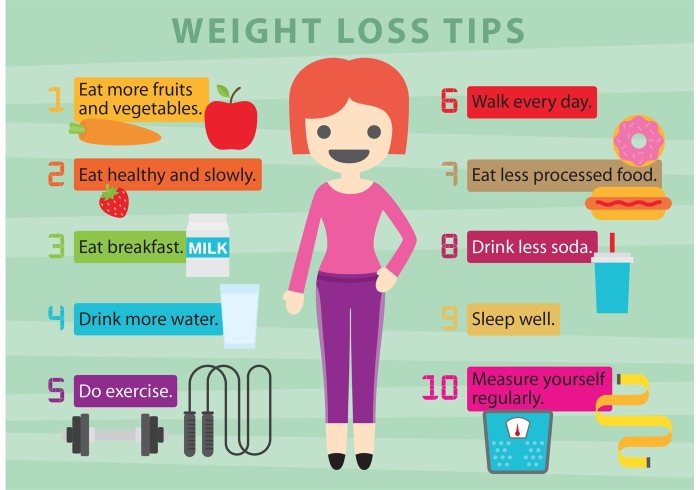
When it comes to achieving weight management goals, balanced nutrition plays a crucial role in providing the body with the necessary nutrients while maintaining a calorie deficit for weight loss.
Significance of Balanced Nutrition
A balanced diet ensures that your body receives the right combination of macronutrients (carbohydrates, proteins, and fats) and micronutrients (vitamins and minerals) to support overall health and well-being.
Role of Macronutrients and Micronutrients
- Macronutrients provide the body with energy and are essential for functions like muscle growth and repair.
- Micronutrients are important for various bodily processes, such as immune function, metabolism, and bone health.
Meal Planning and Mindful Eating
Effective meal planning involves creating balanced meals that include a variety of nutrient-dense foods to support weight management. Mindful eating practices, such as paying attention to hunger cues and eating slowly, can help prevent overeating.
Nutrient-Dense Foods for Weight Management
- Leafy greens like spinach and kale are packed with vitamins and minerals while being low in calories.
- Lean protein sources such as chicken, turkey, and tofu can help you feel full and support muscle mass.
- Whole grains like quinoa and brown rice provide fiber for satiety and sustained energy levels.
- Fruits like berries and apples offer natural sweetness and essential nutrients without added sugars.
Mental Strength
Building mental strength is crucial in successfully managing weight and overcoming challenges along the way. It plays a significant role in staying motivated and resilient throughout the journey.
Strategies for Building Resilience
Resilience is key when faced with setbacks or plateaus in weight management. Here are some strategies to help you build mental strength:
- Practice positive self-talk and affirmations to stay motivated.
- Set realistic goals and celebrate small victories along the way.
- Seek support from friends, family, or a health coach to stay accountable.
Impact of Positive Mindset
A positive mindset can significantly impact weight management success. By believing in yourself and your ability to make healthy choices, you can overcome obstacles and stay on track towards your fitness goals.
Cultivating Mental Strength
Practicing mindfulness techniques such as meditation, deep breathing, or yoga can help you stay focused and reduce stress levels. Additionally, engaging in stress management activities like journaling or spending time in nature can boost your mental resilience.
Yoga Practice: Weight Management Tips For Beginners
Yoga is a powerful practice that can greatly complement your weight management efforts. Not only does it help in improving flexibility and strength, but it also has numerous physical and mental benefits that contribute to overall well-being.
Physical and Mental Benefits of Yoga
- Improves flexibility and balance
- Strengthens muscles and tones the body
- Reduces stress and anxiety levels
- Boosts metabolism and aids in weight loss
- Enhances mental clarity and focus
Beginner-Friendly Yoga Poses for Weight Loss and Flexibility
- Mountain Pose (Tadasana)
- Warrior Pose (Virabhadrasana)
- Bridge Pose (Setu Bandhasana)
- Plank Pose (Phalakasana)
- Downward-Facing Dog (Adho Mukha Svanasana)
Tips for Creating a Consistent Yoga Practice
- Schedule regular practice sessions at a convenient time
- Start with short sessions and gradually increase duration
- Find a quiet and peaceful space to practice
- Listen to your body and practice mindfulness during each session
- Join a yoga class or find online tutorials for guidance and motivation
Health Education
Health education plays a crucial role in promoting sustainable weight management by empowering individuals with the knowledge and skills needed to make informed choices about their health and well-being.
Importance of Health Education
- Health education helps individuals understand the impact of nutrition on weight management, enabling them to make healthier food choices and maintain a balanced diet.
- It also educates individuals on the importance of regular physical activity in achieving and maintaining a healthy weight, as well as the benefits of incorporating exercise into their daily routine.
- By providing information on overall wellness and mental strength, health education equips individuals with the tools to overcome obstacles and stay motivated on their weight management journey.
Sources of Reliable Health Information
- Consulting registered dietitians or nutritionists for personalized nutrition advice and meal planning.
- Utilizing reputable websites such as the Centers for Disease Control and Prevention (CDC) or the Academy of Nutrition and Dietetics for evidence-based information on weight management.
- Attending health education workshops, seminars, or webinars hosted by healthcare professionals or wellness experts.
Key Concepts for Effective Weight Management
-
Eating a balanced diet that includes a variety of fruits, vegetables, whole grains, lean proteins, and healthy fats.
-
Incorporating regular physical activity into your routine, such as cardio, strength training, and flexibility exercises.
-
Maintaining a positive mindset and practicing stress-reducing techniques like mindfulness or meditation.
Tips for Continuous Learning
- Subscribe to reputable health and wellness magazines or newsletters to stay updated on the latest trends and research in weight management.
- Follow credible health professionals and organizations on social media platforms for daily tips and motivation.
- Join online forums or support groups focused on weight management to share experiences and learn from others in similar journeys.
Weight Management
Maintaining a healthy weight is essential for overall well-being. However, many individuals may face challenges such as weight management plateaus, difficulty in sustaining weight loss results, or regaining weight. In such cases, it is crucial to implement effective strategies to overcome these obstacles and seek professional guidance when needed.
Overcoming Weight Management Plateaus
- Adjust your calorie intake: Consider recalculating your daily caloric needs and making slight adjustments to break through a plateau.
- Change up your exercise routine: Incorporate new exercises or increase the intensity to boost metabolism and overcome stagnation.
- Stay consistent: Consistency is key in weight management. Stick to your healthy eating and exercise habits even when progress seems slow.
Mindset and Behavior Change in Weight Management
- Focus on long-term goals: Shift your mindset towards sustainable lifestyle changes rather than quick fixes for lasting weight management success.
- Address emotional eating: Identify triggers for emotional eating and develop healthier coping mechanisms to prevent setbacks.
- Practice mindfulness: Be present in the moment during meals to avoid overeating and make conscious choices for better weight management.
Maintaining Weight Loss Results and Preventing Regain
- Monitor your progress: Regularly track your weight, food intake, and exercise to stay accountable and catch any deviations early on.
- Focus on nutrient-dense foods: Prioritize whole foods rich in nutrients to support your weight management efforts and overall health.
- Incorporate regular physical activity: Stay active to maintain muscle mass, boost metabolism, and prevent weight regain.
Seeking Professional Guidance for Complex Weight Management Issues
- Consult a registered dietitian: A dietitian can provide personalized nutrition guidance tailored to your specific needs and goals.
- Consider therapy or counseling: Address underlying emotional issues or mental health concerns that may impact your weight management journey.
- Work with a health coach: A health coach can offer support, accountability, and motivation to help you navigate challenges and stay on track.
Health Checkups
Regular health checkups play a crucial role in monitoring weight-related health markers and overall well-being. These routine visits can help identify any underlying health issues that may be affecting your weight and provide valuable insights for better management.
Importance of Regular Health Checkups
- Regular health checkups allow healthcare providers to track important health markers such as blood pressure, cholesterol levels, blood sugar levels, and BMI.
- Early detection of any health problems can lead to timely interventions and prevent complications down the line.
- Health checkups provide an opportunity for healthcare providers to offer personalized advice on nutrition, exercise, and lifestyle modifications tailored to your individual needs.
Scheduling Health Checkups
- It is recommended to schedule a comprehensive health checkup at least once a year, but individuals with specific health concerns or risk factors may need more frequent visits.
- Consult with your healthcare provider to determine the best schedule for your health checkups based on your age, medical history, and lifestyle.
Identifying Underlying Health Conditions
- Health checkups can help identify underlying health conditions such as thyroid disorders, hormonal imbalances, or metabolic issues that may be contributing to weight gain or difficulty in losing weight.
- By addressing these underlying health issues, you can better manage your weight and improve your overall health and well-being.
Effective Communication with Healthcare Providers
- Come prepared with questions and concerns to discuss with your healthcare provider during your health checkup.
- Be honest and open about your lifestyle habits, diet, exercise routine, and any challenges you may be facing in managing your weight.
- Ask for clarification if you don’t understand something and actively participate in creating a plan of action with your healthcare provider for better weight management.
Skin Health
Skin health is an essential aspect of overall well-being, and it is closely linked to weight management. As individuals embark on their weight loss journey, it is important to consider how these changes can impact their skin health. Here, we will explore the relationship between weight management and skin health, share tips on maintaining healthy skin during weight loss, discuss common skin issues that may arise, and provide skincare practices that can support overall well-being while managing weight.
Maintaining Healthy Skin during Weight Loss
- Adequate Hydration: Drinking plenty of water helps in keeping the skin hydrated and maintaining its elasticity during weight loss.
- Healthy Diet: Consuming a balanced diet rich in vitamins, minerals, and antioxidants can promote skin health and repair.
- Regular Moisturizing: Using a moisturizer can prevent dryness and irritation, especially when the skin may be affected by changes in weight.
Common Skin Issues during Weight Management
- Stretch Marks: Rapid weight loss or gain can lead to the development of stretch marks on the skin.
- Loose Skin: Significant weight loss can result in loose or sagging skin, requiring special care and attention.
- Acne and Breakouts: Changes in diet and hormone levels during weight management can sometimes trigger acne and breakouts.
Skincare Practices for Overall Well-being
- Sun Protection: Using sunscreen daily can protect the skin from UV damage and premature aging, especially when engaging in outdoor activities for fitness goals.
- Gentle Cleansing: Cleaning the skin with a mild cleanser can help to remove impurities without stripping away essential oils.
- Regular Exfoliation: Exfoliating the skin can promote cell turnover and reveal a brighter complexion, aiding in the skin’s overall health.
Emotional Health
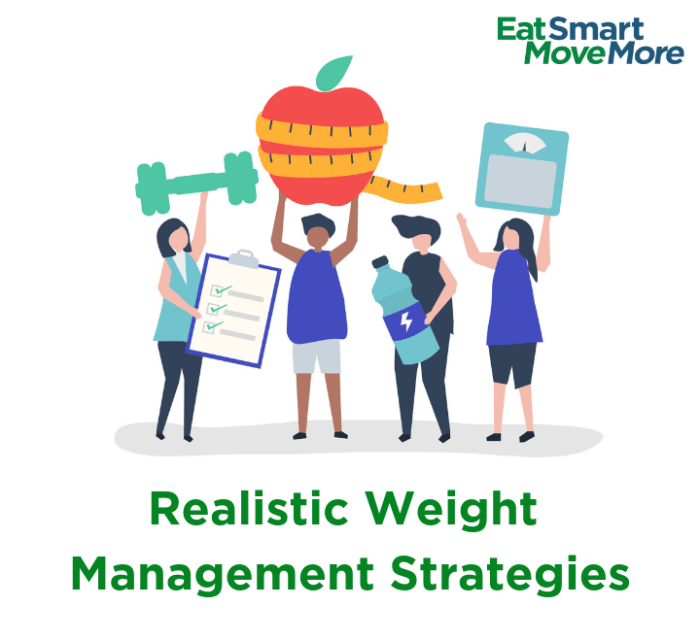
Emotional well-being plays a crucial role in weight management as our emotions can greatly impact our eating habits and overall lifestyle choices. Stress, emotional eating, and other triggers can often lead to unhealthy behaviors that hinder our weight loss goals. Let’s explore the connection between emotional health and sustainable weight management and learn strategies to improve our emotional resilience.
Managing Stress and Emotional Triggers
- Acknowledge your emotions: Recognize and accept your feelings without judgment.
- Practice mindfulness: Stay present in the moment and focus on your thoughts and feelings.
- Engage in stress-relieving activities: Exercise, meditation, deep breathing, or hobbies can help reduce stress levels.
- Seek support: Talk to a therapist, counselor, or trusted friend to discuss your emotions and find healthy coping mechanisms.
Emotional Eating and Weight Loss
- Identify triggers: Notice what emotions lead to emotional eating and find alternative ways to address them.
- Keep a food diary: Track your emotions before and after eating to understand patterns and make healthier choices.
- Plan ahead: Have nutritious snacks available to avoid impulsive emotional eating episodes.
- Practice mindful eating: Slow down, savor your food, and listen to your body’s hunger and fullness cues.
Cultivating Emotional Resilience
- Build a strong support system: Surround yourself with positive and understanding people who uplift you.
- Develop healthy coping mechanisms: Find activities that bring you joy and relaxation to manage stress effectively.
- Practice self-care: Prioritize activities that nourish your mind, body, and soul to enhance emotional well-being.
- Stay flexible: Adapt to challenges and setbacks with a growth mindset to bounce back stronger.
Health Motivation
Staying motivated is crucial when it comes to achieving and maintaining your weight management goals. It can be challenging at times, but finding the right motivation can make a significant difference in your journey towards a healthier lifestyle.
Intrinsic Motivation
Intrinsic motivation comes from within and involves pursuing your goals because they align with your values and interests. To stay committed to weight management, focus on how achieving a healthy weight will improve your overall well-being and quality of life. Remind yourself of the long-term benefits such as increased energy, improved self-esteem, and reduced risk of chronic diseases.
External Motivators
External motivators can also play a role in keeping you on track with your weight management efforts. These can include setting rewards for reaching milestones, joining a supportive community or fitness group, or working with a health coach or personal trainer. Surrounding yourself with positive influences and accountability partners can help you stay motivated and accountable.
Overcoming Motivation Slumps
It’s normal to experience ups and downs in motivation throughout your weight management journey. To overcome slumps, try mixing up your routine, setting new goals, or trying different forms of exercise. Remember to celebrate small victories along the way and focus on progress rather than perfection. Stay inspired by visualizing your success, practicing positive self-talk, and seeking support from friends and family.
Physical Activities
Regular physical activity plays a crucial role in weight management by helping burn calories and improve overall fitness. It is essential to incorporate a variety of exercises to target different muscle groups and keep the body challenged.
Incorporating Different Types of Exercises
- Cardiovascular exercises such as walking, running, cycling, or swimming help burn calories and improve heart health.
- Strength training exercises like weightlifting or bodyweight exercises help build muscle mass and increase metabolism.
- Flexibility exercises such as yoga or Pilates improve range of motion and prevent injuries.
Fun and Engaging Activities for Beginners
- Dancing: Join a dance class or follow online tutorials to get your heart rate up while having fun.
- Hiking: Explore nature trails and enjoy the outdoors while getting a good workout.
- Group Fitness Classes: Try out classes like Zumba, kickboxing, or spinning for a motivating workout experience.
Importance of Regular Movement
Regular movement is essential for maintaining a healthy weight as it helps burn calories, improve metabolism, and boost overall well-being. Incorporating physical activities into your daily routine not only aids in weight management but also enhances mental clarity and reduces the risk of chronic diseases.
Health Awareness
In today’s fast-paced world, raising awareness about weight management and overall health is crucial for promoting a healthier lifestyle. By educating individuals about the importance of maintaining a healthy weight and taking care of their overall well-being, we can empower them to make informed choices that benefit their health in the long run.
Promoting Health Awareness
- Organize community workshops and seminars focusing on weight management, nutrition, and physical activity to educate people on healthy lifestyle choices.
- Utilize social media platforms to share informative content, tips, and resources related to health and wellness to reach a wider audience.
- Collaborate with local health professionals and organizations to host health fairs and events that offer free health screenings and consultations.
Positive Lifestyle Changes
- Increased health awareness can motivate individuals to adopt healthier habits such as regular exercise, balanced nutrition, and stress management techniques.
- By understanding the impact of their lifestyle choices on their health, people are more likely to make positive changes that improve their overall well-being.
- Health awareness can lead to a shift in mindset towards prioritizing self-care and making health a top priority in daily life.
Staying Informed
- Follow reputable health websites, blogs, and social media accounts to stay updated on the latest health-related news, trends, and research findings.
- Subscribe to health magazines or newsletters that provide valuable insights on various health topics and tips for maintaining a healthy lifestyle.
- Attend health-related webinars, conferences, and workshops to expand your knowledge and stay informed about advancements in the healthcare industry.
Preventive Medicine
Preventive medicine plays a crucial role in supporting weight management efforts by focusing on early intervention and strategies to reduce the risk of weight-related health issues. By incorporating preventive measures into daily routines, individuals can significantly improve their long-term health outcomes.
Examples of Preventive Measures
- Regular health checkups to monitor weight, blood pressure, and cholesterol levels.
- Participating in wellness programs that offer guidance on nutrition, exercise, and mental health.
- Engaging in physical activities such as walking, swimming, or yoga to maintain a healthy weight.
- Seeking health coaching to set achievable fitness goals and create a balanced nutrition plan.
Benefits of Early Intervention, Weight management tips for beginners
Early intervention through preventive strategies can help prevent the development of chronic conditions like diabetes, heart disease, and obesity.
- By addressing weight management proactively, individuals can avoid potential health complications in the future.
- Preventive medicine promotes overall well-being and encourages a healthier lifestyle for sustainable weight control.
Incorporating Preventive Medicine Practices
- Make time for regular health checkups and screenings to stay informed about your current health status.
- Stay active through daily physical activities to maintain a healthy weight and reduce the risk of obesity-related illnesses.
- Focus on balanced nutrition by including fruits, vegetables, whole grains, and lean proteins in your diet.
- Stay motivated and educated about health by seeking out health awareness programs and resources in your community.
Nutritional Counseling
When it comes to weight management, nutritional counseling plays a crucial role in providing personalized guidance and support to individuals looking to improve their health through better nutrition.
Nutritional counseling involves working closely with a nutritionist or dietitian who can create customized nutrition plans tailored to meet the specific needs and goals of each individual.
Benefits of Nutritional Counseling
- Helps individuals make informed food choices based on their dietary requirements and preferences.
- Assists in developing healthy eating habits and sustainable lifestyle changes for long-term weight management.
- Educates individuals on the importance of balanced nutrition and portion control for overall well-being.
- Provides ongoing support and accountability to help individuals stay on track with their nutrition goals.
Role of a Nutritionist/Dietitian
- A nutritionist or dietitian assesses an individual’s dietary intake, nutritional needs, and health goals to create a personalized nutrition plan.
- They offer evidence-based guidance on meal planning, food choices, and nutrient intake to support weight management and overall health.
- Collaborate with individuals to address specific nutritional concerns, such as food allergies, intolerances, or medical conditions.
Topics Covered in Nutritional Counseling
- Understanding macronutrients and micronutrients.
- Meal planning and preparation tips.
- Reading food labels and making healthy choices while dining out.
- Managing emotional eating and stress-related food habits.
Finding a Qualified Nutritional Counselor
- Look for certified nutrition professionals with credentials from reputable organizations.
- Consider seeking recommendations from healthcare providers or trusted sources for reputable nutritionists or dietitians.
- Ensure the counselor has experience working with individuals seeking weight management support and has a holistic approach to nutrition.
- Schedule a consultation to discuss your goals, expectations, and the counselor’s approach to personalized nutrition planning.
Healthy Mind
Maintaining a healthy mind is crucial for successful weight management as it directly impacts our overall well-being and lifestyle choices. A positive mindset can help us stay motivated and committed to our fitness goals, leading to sustainable changes in our habits.
Mindfulness Techniques for Well-Being
Mindfulness techniques, such as deep breathing exercises, meditation, and yoga, can support overall well-being and weight loss. By practicing mindfulness, individuals can increase self-awareness, reduce stress levels, and make conscious decisions about their eating habits and physical activities.
Impact of Stress Management on Health
Stress management plays a significant role in both mental and physical health during weight management. High levels of stress can lead to emotional eating, poor sleep quality, and reduced motivation to exercise, ultimately hindering weight loss progress. Implementing stress-reducing activities like mindfulness practices, regular exercise, and adequate rest can improve mental health and support weight management efforts.
Tips for Fostering a Positive Mindset
- Acknowledge and challenge negative thoughts that may arise during your weight management journey.
- Practice gratitude and focus on the progress you have made rather than setbacks.
- Surround yourself with a supportive community or seek guidance from a health coach or counselor.
- Celebrate small victories and reward yourself for achieving milestones along the way.
- Engage in hobbies or activities that bring you joy and help reduce stress levels.
Clarifying Questions
How can I set realistic weight management goals as a beginner?
Start by defining specific, achievable goals that are measurable and time-bound. Focus on making gradual changes to your diet and exercise routine to avoid feeling overwhelmed.
What are some common mistakes to avoid when trying to manage weight?
Avoid crash diets, skipping meals, and overly restrictive eating habits. Instead, focus on balanced nutrition, regular physical activity, and seeking professional guidance when needed.
How important is tracking progress in weight management?
Tracking progress allows you to monitor your results, identify patterns, and make necessary adjustments to your plan. It helps you stay accountable and motivated on your weight management journey.



More Stories
Nutritional counseling and vegetarian diets: A Guide to Healthier Living
Yoga practice for spiritual growth: Enhancing well-being through yoga
Yoga practice for stress relief: Find peace and balance through yoga