Healthy Snacks
Wellness programs to improve employee productivity – Providing healthy snack options in the workplace is crucial for maintaining employee wellness and productivity. Healthy snacks can help employees stay energized, focused, and alert throughout the workday, leading to better performance and overall job satisfaction.
Nutritious Snacks for Energy and Focus
Here are some examples of nutritious snacks that can boost energy and focus:
- Almonds: Rich in healthy fats, protein, and fiber, almonds are a great snack to keep employees feeling full and satisfied.
- Greek Yogurt: Packed with protein and probiotics, Greek yogurt is a nutritious option that can help improve gut health and boost energy levels.
- Fruit and Nut Bars: These convenient and tasty bars provide a mix of carbohydrates, protein, and fiber to keep employees fueled and focused.
- Carrot Sticks with Hummus: Carrots are high in vitamin A and fiber, while hummus offers protein and healthy fats, making this a satisfying snack option.
Benefits of Healthy Snacks
Healthy snacks contribute to overall employee wellness and productivity in several ways:
- Improved Focus: Nutrient-rich snacks can help employees stay sharp and focused, avoiding energy crashes and distractions.
- Increased Energy: Eating healthy snacks throughout the day can provide a steady source of energy, preventing fatigue and boosting productivity.
- Enhanced Mood: Balanced snacks can help regulate blood sugar levels, leading to improved mood and reduced stress levels in the workplace.
Wellness Programs

Wellness programs in the workplace are designed to promote healthy habits and overall wellbeing among employees. These programs often include a variety of initiatives aimed at improving physical, mental, and emotional health.
Components of Effective Workplace Wellness Programs
- Offering health screenings and assessments to identify potential health risks.
- Providing access to fitness classes or gym memberships to encourage physical activity.
- Organizing workshops or seminars on stress management, nutrition, and mental health.
- Implementing policies that support work-life balance, such as flexible work hours or remote work options.
- Incorporating incentives or rewards for participating in wellness activities or achieving health goals.
Benefits of Wellness Programs for Employee Morale and Engagement
Wellness programs can significantly improve employee morale and engagement by fostering a positive work environment and promoting a healthy lifestyle. When employees feel supported in their wellness goals, they are more likely to be motivated, productive, and satisfied with their job.
Success Stories of Companies Implementing Wellness Programs
“Company X saw a 20% decrease in absenteeism after implementing a wellness program that included onsite yoga classes and nutrition workshops.”
“Company Y reported a 15% increase in employee satisfaction and retention rates following the introduction of a wellness program that focused on mental health awareness and stress management.”
Physical Therapy
Physical therapy plays a crucial role in employee wellness and productivity by focusing on improving overall physical health and preventing injuries. Through tailored exercise programs and techniques, physical therapy can enhance mobility, reduce pain, and promote faster recovery from injuries.
Injury Prevention and Mobility Improvement
Physical therapy programs are designed to prevent common workplace injuries, such as muscle strains and joint pain, by strengthening core muscles, improving flexibility, and correcting posture. By addressing these issues, employees can perform their tasks more efficiently and with reduced risk of injury.
- One example of a physical therapy exercise for injury prevention is the plank exercise, which strengthens the core muscles and improves posture.
- Another example is the squat exercise, which helps improve lower body strength and stability, reducing the risk of lower back injuries.
Health Coaching
Health coaching is a personalized approach to employee wellness that focuses on empowering individuals to make positive changes towards a healthier lifestyle. It involves one-on-one sessions with a health coach who provides guidance, support, and accountability to help employees set and achieve their health goals.
Supporting Employee Health Goals
Health coaching sessions can support employees in achieving their health goals by helping them identify their priorities, create actionable plans, and stay motivated throughout their wellness journey. Coaches work with employees to address specific health concerns, such as weight management, stress reduction, or improving nutrition and exercise habits.
- Health coaches provide personalized guidance and support tailored to each employee’s unique needs and challenges.
- They help employees set realistic and achievable health goals, breaking them down into manageable steps for long-term success.
- Coaches offer ongoing accountability and motivation to help employees stay on track and overcome obstacles along the way.
- Through regular check-ins and progress assessments, coaches can adjust strategies as needed to ensure employees are making meaningful progress towards their health goals.
Benefits of Health Coaching Services
Providing health coaching services as part of employee wellness programs can bring numerous benefits to both employees and the organization as a whole.
- Improved employee health and well-being, leading to increased productivity and reduced absenteeism.
- Enhanced engagement and job satisfaction among employees who feel supported in their personal wellness goals.
- Lower healthcare costs for the organization as employees make healthier lifestyle choices and manage chronic conditions more effectively.
- Increased retention rates as employees feel valued and supported in their overall health and wellness.
Medical Advancements
In today’s fast-paced world, medical advancements play a crucial role in enhancing employee health and productivity. By staying abreast of the latest innovations in healthcare, companies can integrate cutting-edge technologies into their workplace wellness strategies to promote overall well-being.
Innovative Healthcare Technologies
- Telemedicine: Companies are incorporating telemedicine services to provide employees with convenient access to healthcare professionals without the need for in-person visits. This technology allows for timely medical consultations and diagnoses, leading to faster treatment and improved health outcomes.
- Wearable Health Devices: Wearable devices such as fitness trackers and smartwatches are being used to monitor employees’ physical activity, heart rate, and sleep patterns. This data can help individuals make informed decisions about their health and encourage them to adopt healthier behaviors.
- AI-powered Health Platforms: Artificial intelligence is revolutionizing the healthcare industry by enabling personalized health recommendations based on individual data and trends. Companies are utilizing AI-powered platforms to offer tailored wellness programs and resources to employees.
Companies Leveraging Medical Advancements
- Google: Google’s parent company, Alphabet, has invested in Verily Life Sciences, a subsidiary focused on developing innovative healthcare solutions. Verily has launched projects such as smart contact lenses for monitoring glucose levels and surgical robots for minimally invasive procedures.
- Amazon: Amazon Care, a virtual medical clinic for employees, offers telemedicine services and in-person care for common health issues. The company is exploring ways to leverage its technological expertise to improve access to healthcare for its workforce.
- Apple: Apple’s Health app integrates data from various sources, including wearable devices and electronic health records, to provide users with a comprehensive view of their health. The company continues to innovate in the health and wellness space, with features such as fall detection and heart rate monitoring.
Fitness Goals
Setting fitness goals for employees in the workplace is crucial for promoting overall health and well-being. By establishing clear objectives related to physical fitness, employees are more likely to stay motivated and committed to their health journey.
Importance of Setting Fitness Goals
- Setting fitness goals helps employees track their progress and stay accountable for their health.
- Achieving fitness goals can boost confidence, energy levels, and overall mood, leading to increased productivity at work.
- When employees prioritize their health and fitness, they are less likely to experience burnout and absenteeism.
- Having clear fitness goals can create a sense of purpose and direction, driving employees to make healthier choices both in and out of the workplace.
Tips for Employers to Support Employees in Reaching Fitness Goals
- Provide access to on-site fitness facilities or subsidize gym memberships to make exercise more convenient for employees.
- Offer wellness challenges or competitions to encourage friendly competition and camaraderie among employees.
- Bring in fitness experts for workshops or lunch-and-learns to educate employees on the importance of physical activity and proper nutrition.
- Implement flexible work schedules to allow employees to fit workouts into their day without feeling overwhelmed.
- Lead by example by promoting a culture of health and wellness within the organization and participating in fitness activities alongside employees.
Balanced Nutrition
Proper nutrition is essential for maintaining overall health and well-being, especially in the workplace where employees spend a significant amount of their time. Encouraging balanced nutrition among employees can lead to improved focus, higher energy levels, and increased productivity.
Significance of Promoting Balanced Nutrition
- Healthy eating habits can boost immune function, reducing sick days and enhancing overall well-being.
- Proper nutrition can help regulate blood sugar levels, preventing energy crashes and promoting sustained focus throughout the workday.
- A well-balanced diet rich in nutrients can improve cognitive function, leading to better decision-making and problem-solving skills.
Effects of Proper Nutrition on Employee Focus, Energy Levels, and Overall Well-being
- Consuming a variety of fruits, vegetables, whole grains, and lean proteins can provide the necessary nutrients for sustained energy and mental clarity.
- Hydrating adequately and avoiding sugary snacks can prevent energy spikes and crashes, maintaining a steady level of alertness.
- Healthy eating habits can reduce the risk of chronic diseases, such as obesity, heart disease, and diabetes, promoting long-term well-being.
Practical Ways to Encourage Healthy Eating Habits Among Employees
- Offering healthy snacks in the workplace, such as fruits, nuts, and yogurt, can promote better food choices throughout the day.
- Organizing nutrition workshops or seminars to educate employees on the importance of balanced meals and portion control.
- Creating a supportive environment by providing access to nutritious options in the cafeteria or vending machines.
Mental Strength: Wellness Programs To Improve Employee Productivity
Mental strength plays a crucial role in employee productivity as it directly impacts an individual’s ability to handle stress, focus on tasks, and maintain a positive mindset in the workplace. Employees with high levels of mental resilience are better equipped to overcome challenges, adapt to changes, and perform at their best.
Strategies for Fostering Mental Resilience
- Encourage open communication and provide a supportive work environment where employees feel comfortable expressing their thoughts and emotions.
- Offer stress management workshops or training sessions to help employees develop coping mechanisms and build resilience.
- Promote work-life balance by encouraging breaks, time off, and setting realistic work expectations to prevent burnout.
- Provide access to mental health resources such as counseling services or employee assistance programs to support employees in times of need.
Activities to Improve Mental Strength, Wellness programs to improve employee productivity
- Implement mindfulness practices like meditation or yoga sessions to promote relaxation and reduce stress levels.
- Organize team-building activities or social events to foster connections, boost morale, and create a sense of community in the workplace.
- Encourage regular physical exercise as it can help improve mood, reduce anxiety, and enhance overall mental well-being.
- Promote a culture of gratitude by recognizing and appreciating employees’ efforts and achievements to boost morale and motivation.
Yoga Practice
Incorporating yoga practice into workplace wellness programs can have numerous benefits for employees.
Yoga is known to reduce stress levels, improve flexibility, and enhance mental clarity. It involves a series of poses, breathing exercises, and meditation techniques that promote relaxation and mindfulness.
Benefits of Yoga in the Workplace
- Reduces stress and anxiety levels
- Improves flexibility and posture
- Enhances mental clarity and focus
- Promotes relaxation and mindfulness
- Boosts overall well-being and morale
Health Education
Health education plays a crucial role in promoting overall well-being and productivity among employees in the workplace. By providing ongoing health education initiatives, companies can empower their employees to make informed decisions about their health and lifestyle choices.
Topics in Health Education Sessions
- The importance of regular exercise and its impact on physical and mental health.
- Understanding the benefits of a balanced diet and how it contributes to overall well-being.
- Stress management techniques and the importance of mental health awareness.
- Preventive measures for common health issues and diseases.
- The significance of regular health check-ups and screenings.
Weight Management
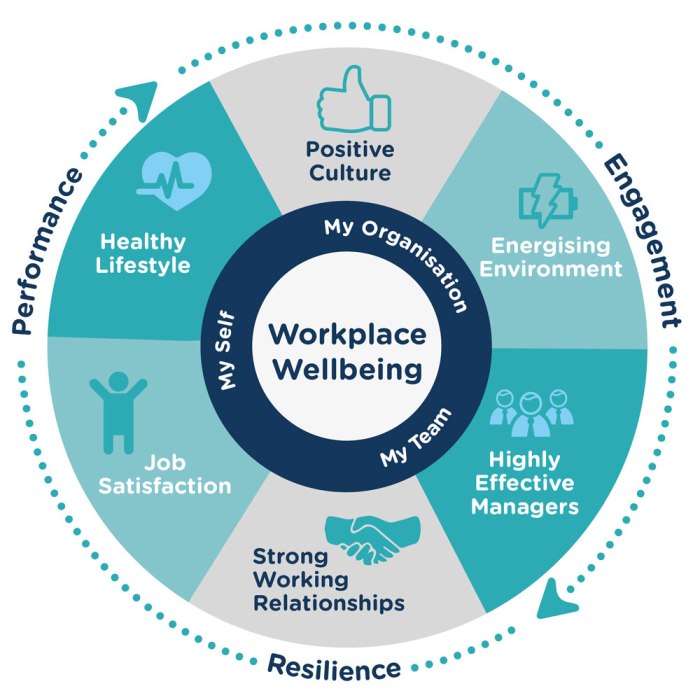
Maintaining a healthy weight is crucial for overall well-being and productivity in the workplace. Weight management programs play a significant role in improving employee health by promoting healthy habits and reducing the risk of chronic diseases associated with obesity.
Role of Weight Management Programs
Weight management programs offer valuable resources and support to employees striving to achieve and maintain a healthy weight. These programs typically include educational sessions, personalized meal plans, fitness activities, and behavioral therapy to address the root causes of weight gain. By empowering employees with the knowledge and tools needed to make positive lifestyle changes, weight management programs contribute to enhanced physical and mental well-being, leading to increased productivity and job satisfaction.
Promoting Healthy Weight Management Practices
– Encourage physical activity: Implement workplace wellness challenges, such as step competitions or fitness classes, to promote regular exercise among employees.
– Provide healthy food options: Stock the office pantry with nutritious snacks and offer healthy meal choices in the cafeteria to support employees in making better food choices.
– Offer incentives: Reward employees for achieving weight loss goals or participating in weight management programs to motivate them to stay on track.
– Create a supportive environment: Foster a culture of health and well-being by encouraging peer support, setting realistic goals, and providing access to resources for managing stress and emotional eating.
Success Stories
– Sarah, a marketing manager, lost 20 pounds by following a customized weight management plan provided by the company’s wellness program. She credits the program for helping her adopt healthier eating habits and stay active throughout the workday.
– John, a software engineer, significantly reduced his risk of developing obesity-related health issues by participating in regular fitness sessions and nutrition workshops offered at work. His improved health and energy levels have positively impacted his performance and job satisfaction.
Health Checkups
Regular health checkups are crucial for employees as they play a significant role in maintaining overall well-being and detecting potential health issues early on. By undergoing preventive health screenings, individuals can identify any underlying health conditions before they escalate into more serious problems.
Significance of Preventive Health Screenings
- Early Detection: Health checkups can help in identifying health issues at an early stage, allowing for prompt intervention and treatment.
- Preventive Care: Regular screenings can aid in preventing diseases by addressing risk factors and promoting healthy lifestyle choices.
- Cost-Effective: Detecting health problems early can prevent expensive medical treatments in the future, saving both the individual and the employer money.
Employer Facilitation of Health Checkups
- Providing Health Benefits: Employers can offer comprehensive health insurance coverage that includes regular health checkups as part of the package.
- Workplace Wellness Programs: Incorporating health checkups as a component of wellness programs can encourage employees to prioritize their health.
- Flexible Scheduling: Employers can arrange for on-site health screenings or provide flexible work hours to accommodate appointments with healthcare providers.
Skin Health
Skin health plays a crucial role in our overall well-being, as it is the body’s largest organ and serves as a protective barrier against external factors. Maintaining good skin health not only contributes to physical health but also impacts our mental and emotional well-being.
Impact of Skincare Routines on Employee Confidence and Productivity
Skincare routines can have a significant impact on employee confidence and productivity in the workplace. When employees take care of their skin, they not only look better but also feel better about themselves. This boost in confidence can lead to improved interactions with colleagues, increased motivation, and enhanced productivity.
Tips for Promoting Good Skin Health Practices in the Workplace
- Encourage employees to stay hydrated throughout the day, as proper hydration is essential for healthy skin.
- Provide access to sunscreen for outdoor workers to protect their skin from harmful UV rays.
- Encourage regular handwashing to prevent skin issues and promote overall hygiene.
- Offer healthy snacks rich in vitamins and antioxidants that support skin health.
- Promote stress management techniques, as stress can negatively impact skin health.
- Encourage employees to moisturize regularly to keep their skin hydrated and nourished.
Emotional Health
Emotional health plays a crucial role in employee performance as it directly impacts motivation, focus, and overall well-being in the workplace. When employees are emotionally balanced and supported, they are more likely to be engaged, productive, and satisfied with their work.
Creating a Supportive Work Environment
Creating a supportive work environment that prioritizes emotional well-being can significantly improve employee performance. Strategies to achieve this include:
- Encouraging open communication and transparency between management and employees.
- Providing access to mental health resources and services, such as counseling or therapy.
- Offering flexibility in work hours or remote work options to reduce stress and promote work-life balance.
- Organizing team-building activities and events to foster a sense of community and support among coworkers.
Managing Stress and Maintaining Emotional Balance
To help employees manage stress and maintain emotional balance, organizations can implement the following resources and activities:
- Offering mindfulness and meditation sessions to promote relaxation and reduce anxiety.
- Providing access to stress-management workshops or training programs.
- Encouraging regular physical exercise and promoting a healthy lifestyle through wellness programs.
- Creating designated spaces for relaxation or quiet time in the workplace.
Health Motivation
Maintaining healthy habits can be challenging, but motivation plays a crucial role in helping employees stay committed to their well-being. When employees are motivated to prioritize their health, they are more likely to adopt and sustain healthy behaviors both at work and in their personal lives.
Techniques for Boosting Health Motivation
- Provide education: Offering workshops, seminars, or training sessions on various health topics can increase employees’ knowledge and awareness, motivating them to make positive changes.
- Encourage goal-setting: Helping employees set realistic health goals and tracking their progress can boost motivation by providing a sense of accomplishment and progress.
- Offer social support: Creating a supportive environment where employees can connect with colleagues who share similar health goals can enhance motivation and accountability.
- Recognize and reward progress: Acknowledging and rewarding employees for their efforts towards improving their health can reinforce positive behaviors and motivate continued engagement.
Examples of Incentives for Health Motivation
- Financial incentives: Offering bonuses, gift cards, or other monetary rewards for achieving health goals or participating in wellness programs can motivate employees to prioritize their well-being.
- Flexible work arrangements: Providing options such as telecommuting or flexible schedules for employees who engage in healthy behaviors can serve as a valuable incentive for maintaining motivation.
- Health-related perks: Offering benefits like gym memberships, healthy snacks, or on-site fitness classes can incentivize employees to prioritize their health and well-being.
- Recognition programs: Implementing programs that publicly recognize and celebrate employees who make significant strides in improving their health can inspire others to follow suit.
Physical Activities
Encouraging physical activities at work can have numerous benefits for employees. Not only does it improve overall health and well-being, but it also boosts productivity, enhances mood, reduces stress, and increases energy levels. Incorporating movement and exercise into the workday is essential for maintaining a healthy lifestyle and preventing sedentary behavior.
Ways to Incorporate Movement and Exercise
- Implement walking meetings to encourage physical activity while discussing work-related matters.
- Set up standing desks or workstations to reduce prolonged sitting and promote better posture.
- Organize group fitness classes or activities during lunch breaks or after work hours to promote team bonding and physical well-being.
- Create designated areas for stretching or quick exercise routines to allow employees to take short breaks and rejuvenate their bodies.
Creative Ideas for Promoting Physical Activity
- Host step challenges or fitness competitions to motivate employees to stay active and track their progress.
- Provide incentives or rewards for reaching fitness goals or participating in physical activities, such as gift cards or extra vacation days.
- Organize outdoor events like hiking trips, bike rides, or sports tournaments to encourage employees to engage in physical activities outside of the office.
- Offer on-site fitness classes or workshops led by professionals to educate employees on the importance of regular exercise and provide guidance on proper techniques.
Health Awareness
Raising awareness about health among employees is crucial for promoting overall well-being and productivity in the workplace. By educating employees about the importance of maintaining good health, organizations can empower them to make informed choices and take proactive steps towards a healthier lifestyle.
Health awareness campaigns have a significant impact on employee behavior and choices. When employees are made aware of the benefits of healthy living, they are more likely to adopt positive habits such as regular exercise, balanced nutrition, and stress management. This, in turn, can lead to reduced absenteeism, increased productivity, and a more positive work culture.
To increase health literacy and awareness in the workplace, organizations can implement various strategies. Providing access to educational resources, organizing workshops and seminars on health-related topics, offering incentives for participating in wellness programs, and promoting a culture of open communication about health issues are effective ways to engage employees and encourage them to prioritize their well-being.
Benefits of Health Awareness Programs
- Empowers employees to make informed decisions about their health.
- Reduces healthcare costs for both employees and employers.
- Promotes a positive work environment and boosts morale.
- Increases productivity and reduces absenteeism.
- Encourages long-term behavior change towards healthier habits.
Preventive Medicine
Preventive medicine focuses on proactive measures to prevent diseases and promote overall health and wellness. By identifying and addressing risk factors before they escalate into serious health issues, preventive medicine plays a crucial role in maintaining a healthy workforce.
Role of Preventive Screenings and Vaccinations
Preventive screenings, such as regular health checkups and screenings for conditions like high blood pressure and cholesterol, can detect potential health problems early on. Vaccinations are also essential in preventing infectious diseases that can spread quickly in a workplace setting.
- Regular health screenings can help employees identify health issues early, leading to timely intervention and treatment.
- Vaccinations protect employees from contagious diseases, reducing the risk of outbreaks in the workplace.
Benefits of Preventive Medicine Programs
Implementing preventive medicine programs can result in significant cost savings for employers by reducing healthcare expenses and minimizing absenteeism due to illness. These programs can also improve overall employee morale and productivity.
- Preventive medicine programs can lead to lower healthcare costs by addressing health issues before they become serious.
- Reducing absenteeism through preventive measures can result in increased productivity and efficiency in the workplace.
Nutritional Counseling
Nutritional counseling services offer a range of benefits to employees, including personalized guidance on making healthier food choices, managing weight, and improving overall well-being. By providing access to professional nutritionists, companies can support their employees in making sustainable lifestyle changes that can lead to better health outcomes and increased productivity.
Personalized Nutrition Plans
Nutritional counseling services often involve creating personalized nutrition plans tailored to each individual’s unique dietary needs and health goals. These plans take into account factors such as age, gender, lifestyle, and any existing health conditions to provide targeted guidance on meal planning, portion control, and nutrient intake. By following these personalized nutrition plans, employees can experience improved energy levels, better concentration, and enhanced overall health, leading to increased productivity in the workplace.
Success Stories
Through nutritional counseling programs, many employees have reported significant improvements in their health and well-being. For example, employees who struggled with weight management have successfully achieved their weight loss goals and maintained a healthy weight with the help of personalized nutrition plans. Others have seen improvements in chronic conditions such as diabetes or high blood pressure by making dietary changes recommended during counseling sessions. These success stories not only highlight the effectiveness of nutritional counseling but also inspire other employees to prioritize their health and well-being through proper nutrition.
Healthy Mind
Promoting a healthy mind in the workplace is crucial for overall employee well-being and productivity. A healthy mind can lead to reduced stress, improved focus, better decision-making, and enhanced creativity. Employers who prioritize mental health create a positive work environment where employees feel supported and motivated to perform at their best.
Activities for Enhancing Mental Well-being
- Encourage regular breaks throughout the workday to prevent burnout and promote mental clarity.
- Offer mindfulness or meditation sessions to help employees manage stress and increase self-awareness.
- Promote work-life balance by setting clear boundaries and encouraging employees to unplug after work hours.
- Provide access to mental health resources and counseling services for those in need of professional support.
Creating a Mentally Healthy Work Environment
- Establish open communication channels for employees to express their thoughts and concerns without fear of judgment.
- Promote a culture of appreciation and recognition to boost morale and create a positive atmosphere.
- Encourage teamwork and collaboration to foster a sense of belonging and camaraderie among employees.
- Organize team-building activities and social events to strengthen relationships and promote a sense of community.
Frequently Asked Questions
How do wellness programs impact employee productivity?
Wellness programs can enhance productivity by improving overall health, boosting morale, and increasing engagement among employees.
What are some examples of activities in wellness programs?
Activities can include fitness challenges, nutritional counseling, mental health workshops, and stress management sessions.
How can companies measure the success of their wellness programs?
Companies can track metrics like absenteeism rates, employee satisfaction surveys, productivity levels, and healthcare cost reductions to evaluate the effectiveness of their wellness programs.



More Stories